Home


Menu

Close

What Does a Data Analyst Do in 2026: Role, Skills, and Shaping Trustworthy AI
Published:
August 10, 2026
Introduction: Why the Data Analyst Role Matters Now
In 2026, data is everywhere, and it's more important than ever to understand what it all means. Businesses, governments, and even non-profit groups collect huge amounts of information every day. But raw data can be messy and confusing. This is where a data analyst comes in. They are like detectives, taking all that data and turning it into clear, helpful stories that people can use to make smart decisions.

Right now, a big challenge is the rise of AI, or artificial intelligence. While AI can do amazing things, it needs good, clean data to work properly. If the data used to train AI is biased or not trustworthy, the AI itself can become unreliable. This problem is sometimes called the "AI bottleneck," where a lack of good, ethical data holds AI back. There's also "synthetic drift," which means that information can get twisted and less truthful as it moves through digital systems. Organizations are working hard to ensure transparency in the data used to train artificial intelligence, which is a key step in building trust.
So, what does a data analyst do in this new world? They play a vital role in making sure AI systems are built on solid ground. A good data quality analyst helps check the data for fairness and accuracy, preventing problems before they start.
In this article, we'll dive deeper into exactly what a data analyst does each day. We'll explore the core skills you need for this job and the different types of data analysis they perform. We'll also look at pathways to become one, including useful data analytics courses. You'll learn how these important professionals are helping to fix the AI bottleneck and fight synthetic drift, making sure our future with AI is built on trust and real human values. Understanding how ethical data analysis builds trust in AI is key in today's digital world.

The demand for skilled professionals in AI data analyst jobs is growing rapidly, showing just how important this role has become.
A data analyst truly has a busy and important job. So, what does a data analyst do each day?
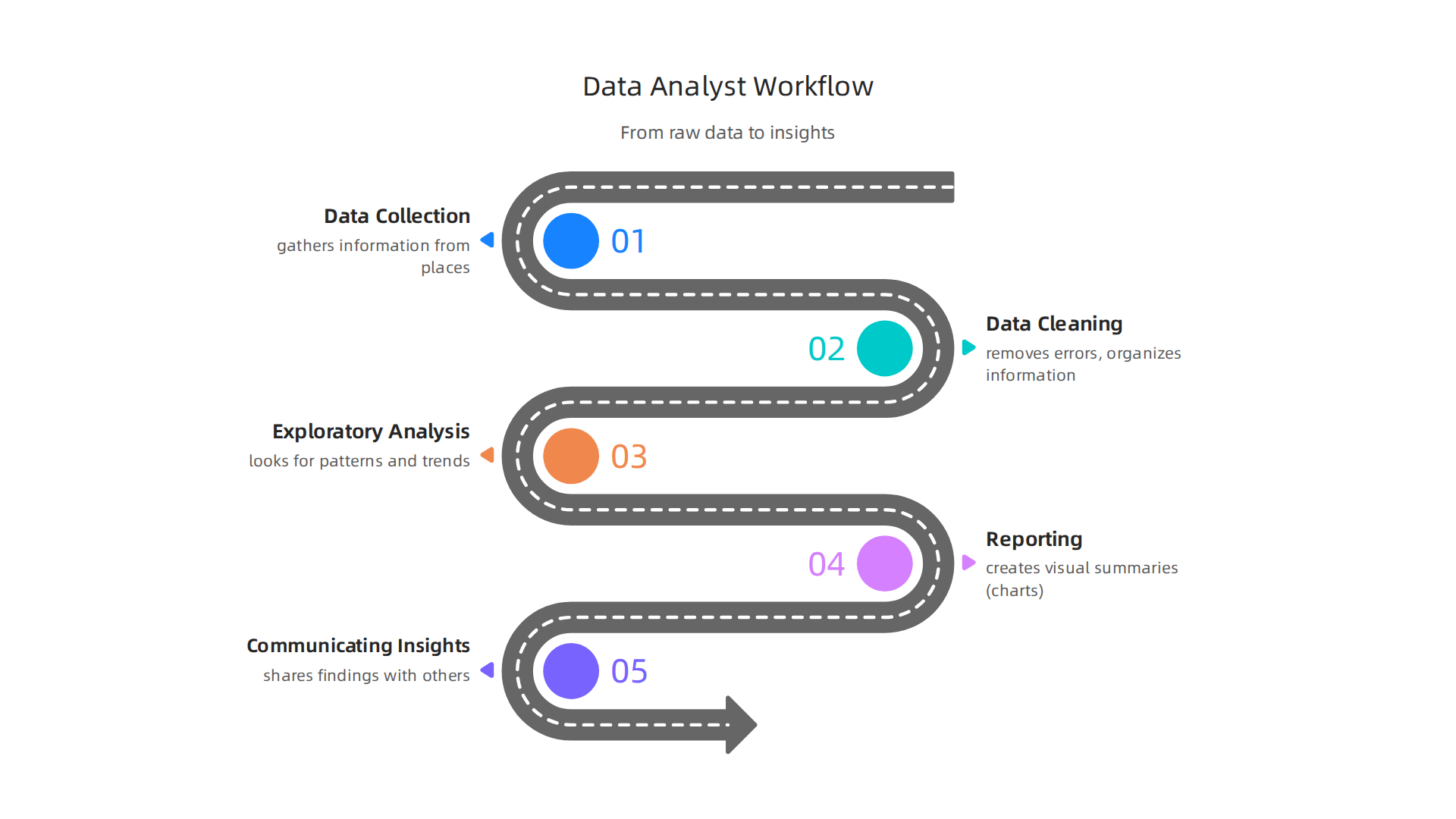
Their main goal is to turn confusing data into clear, helpful information that people can use to make smart choices. This involves several key steps, starting with getting the data and making it ready to use.
Data Collection and Preparation
First, a data analyst gathers information from many different places, like computer systems, spreadsheets, or online tools. This is often called "data collection" and it's a big part of the job, sometimes taking up to 30% of their time 1. But raw data is rarely perfect. It can have mistakes, be incomplete, or have the same information listed many times. So, the next big step is "data cleaning."
A good data quality analyst removes these errors and organizes the information so it's accurate and ready for review
2. This might mean fixing typos, dealing with missing numbers, or making sure all the data looks the same. Actually, data cleaning and validating for accuracy can take up to 40% of their daily work 3. This careful preparation is super important, especially for AI data analyst jobs, because bad data can lead to bad AI decisions. For building reliable AI, it's essential to master data annotation to build trustworthy AI.
Exploratory Analysis and Reporting
Once the data is clean, the analyst starts looking for patterns and trends. This is where they perform various types of data analysis. They might use special tools to find out "why" something happened or to predict "what" might happen next. For example, they could find out why sales went down last month or which customers are most likely to buy a new product.
After finding these insights, the data analyst creates reports and dashboards. These are visual summaries, like charts and graphs, that make complex information easy to understand for everyone. Tools like Tableau or Power BI are often used to build these helpful visuals 4.
Communicating Insights
The final step is to share these findings with others. A data analyst talks to business leaders, project managers, or other team members.

They explain what the data shows and how it can help make better decisions. This part of the job is all about good communication and making sure the insights are clear and useful.
Different Roles for a Data Analyst
While the basic tasks are similar, exactly what a data analyst does can change depending on where they work:
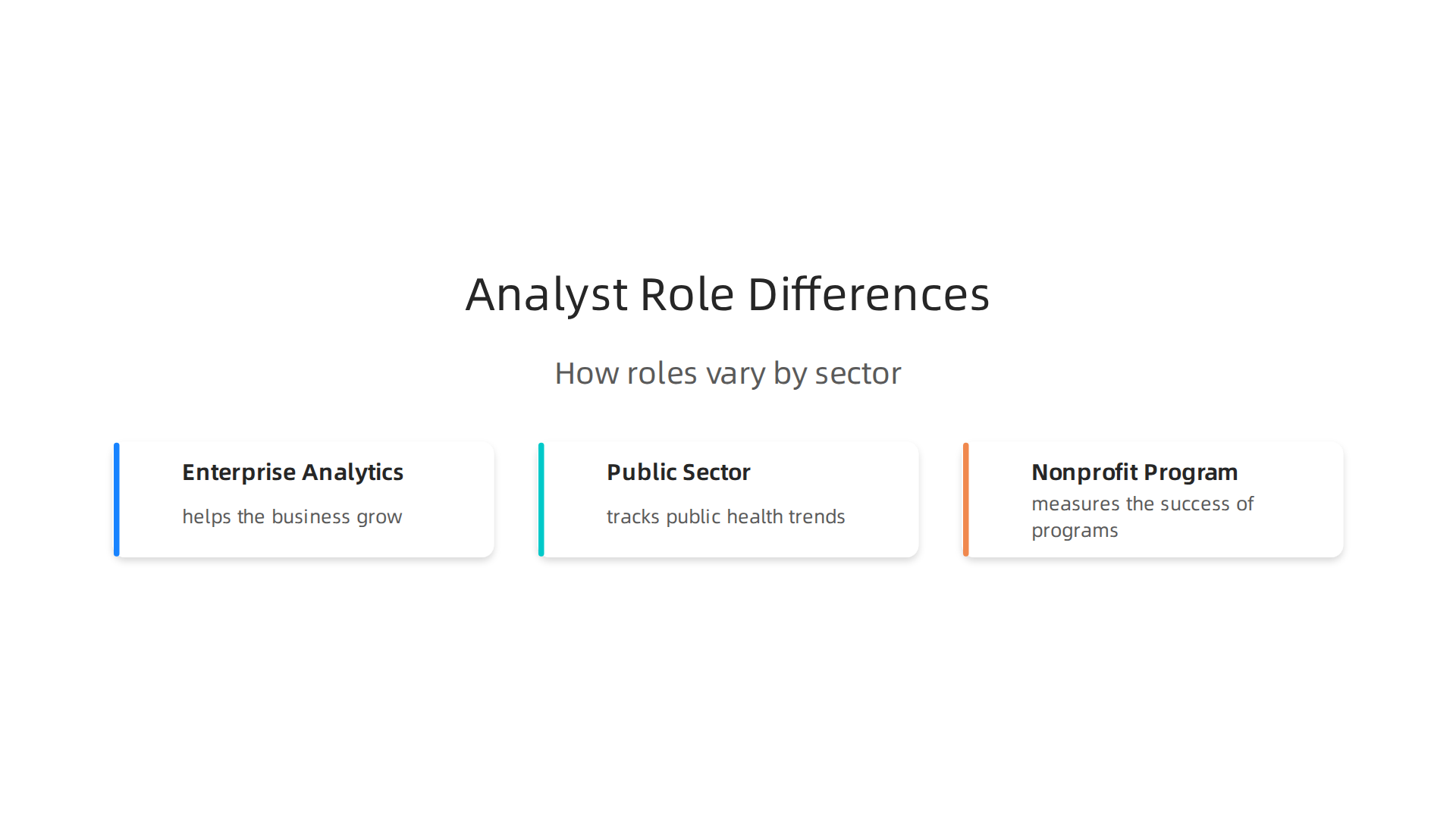
- Enterprise Analytics: In a big company, a data analyst might focus on helping the business grow. They could look at sales numbers, customer behavior, or how well marketing campaigns are doing. Their goal is to find ways to make the company more money or run smoother.
- Public-Sector Reporting: For government groups, analysts might track public health trends, traffic patterns, or how well public services are working. Their reports help leaders make decisions that benefit the community.
- Nonprofit Program Evaluation: Nonprofits use data analysts to measure the success of their programs. They might look at how many people a charity helped, or if an educational program is truly making a difference. This helps them show their impact and get more funding.
No matter the setting, the core role remains: to use data to understand the past, explain the present, and help shape the future. Many people learn these skills through data analytics courses offered in 2026.
1 Data Analyst Job Description - Complete Guide 2026 2 Data Analyst Roles and Responsibilities Guide 2026 Tips 3 Data Analyst Job Description - Complete Guide 2026 4 Data Analyst Job Description 2026: Skills & Roadmap
While traditional what does a data analyst do involves cleaning and finding patterns, today's data analysts have an even bigger job. They must ensure that data is not just accurate but also fair and ethical, especially when used for Artificial Intelligence (AI). This is key to fixing the "AI bottleneck," which happens when AI systems struggle because of bad or biased data.
Spotting Bias and Ensuring Quality
A big part of an analyst's role is to find and fix hidden biases in data.
Bias means the data might unfairly favor or disfavor certain groups, like showing only one type of person in examples. This can lead to AI systems making unfair decisions. A skilled data quality analyst uses special ways to check for these biases, like looking at how data is spread out among different groups to see if there are gaps or unfair representations. They might use methods like comparing feature frequencies or label distributions across different groups to find these issues, as explained in articles about Training Data Bias Detection Methods.
Validating data quality also means making sure the data truly reflects human values and is not "synthetic drift." Synthetic drift is when information gets changed or twisted as it moves through digital systems. Analysts help stop this by carefully checking the data's origin and how it has been handled.
Tracking Data's Journey: Provenance
Another important task is called "data provenance" or "data lineage." This is like keeping a detailed diary for every piece of data. It records where the data came from, who collected it, how it was changed, and how it's been used. This historical record is super important for building trust in AI. For example, knowing the complete lineage of a dataset helps us understand why an AI made a certain decision.
By documenting data's journey, analysts can help companies be more open about their AI. This transparency is crucial for avoiding misinformation and making sure AI serves people in the right way. This focus on ethical data practices helps in building trustworthy AI combat synthetic drift with ethical data.
Keeping Data Practices Human-Focused and Legal
Data analysts also make sure that how data is used fits with laws and human values. They help companies follow rules about data privacy and keep personal information safe. This means designing processes where people give permission for their data to be used. Their work ensures that AI systems are not only smart but also fair and respectful of everyone. By paying close attention to these details, data analysts play a huge part in making sure AI helps society without causing harm.
To really understand what a data analyst does, it's helpful to look at the mix of skills they use every day. It's not just about knowing how to work with computers. It's also about thinking clearly and talking well with others. In 2026, a great data analyst needs both technical know-how and important "soft skills."
Key Technical Skills for Data Analysts
At the heart of a data analyst's job are several technical abilities. These skills help them dig into data and find useful information.
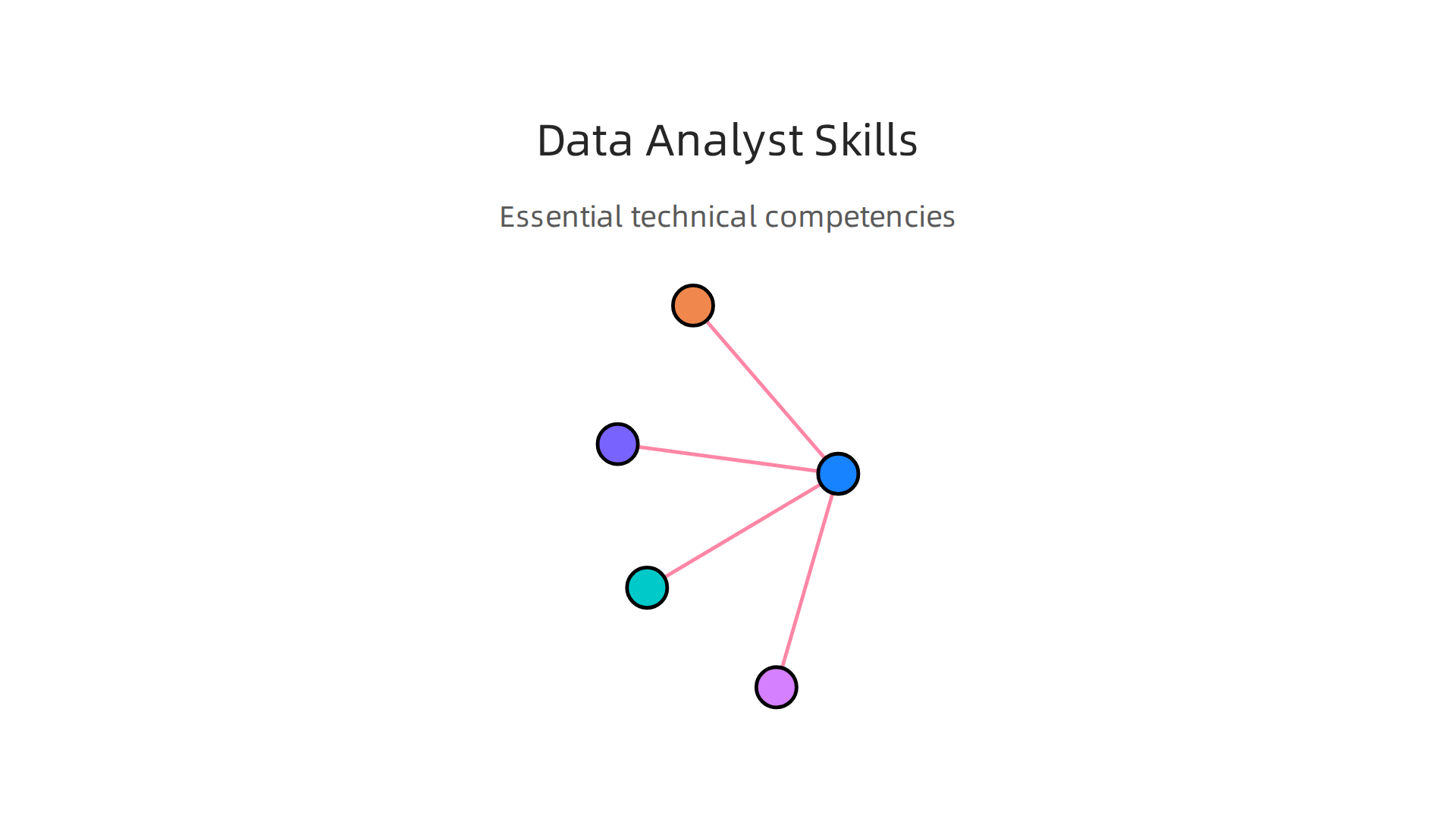
- Querying Data: This means asking databases questions to pull out the right information. A top tool for this is SQL (Structured Query Language). Many jobs today expect analysts to be good at using SQL to get data from different places and clean it up, as noted in various job descriptions for 2026, including those from growai.
- Statistical Understanding: Data analysts use basic statistics to find patterns and make sense of numbers. This helps them understand what the data is really saying.
- Data Visualization: Once they have insights, analysts need to show them in a way that everyone can understand. This often means making charts, graphs, and dashboards. Tools like Power BI and Tableau are very popular for this. Excel is also still a very important tool for quick checks and reports, with many businesses relying on it for everyday analysis in 2026, according to iCertGlobal.
- Programming Basics: Learning programming languages like Python or R is also key. These languages help analysts automate tasks, clean large datasets, and perform more advanced types of data analysis. Many companies look for these skills in 2026, as they help with general analysis and automation.
- Common Toolchains: Beyond specific software, data analysts often work with entire sets of tools. These might include cloud platforms for storing data or special software for cleaning and preparing data. Learning about these various tools helps analysts handle different situations and datasets. For more on what tools are commonly used, check out this guide on Data Analyst Skills Companies Want in 2026.
Important Non-Technical Skills
While technical skills are important, soft skills help data analysts do their job even better and make a bigger impact.
- Domain Knowledge: This means understanding the business area the data comes from. For example, if an analyst is working for a shoe company, knowing about shoe sales, fashion trends, and customer buying habits helps them ask better questions and find more useful insights.
- Communication: A data analyst needs to explain complex data findings clearly to people who might not understand technical details. This means being a good storyteller, presenting information well, and writing easy-to-read reports. They need to translate numbers into actionable advice.
- Ethical Judgment: As we talked about earlier, data analysts must ensure data is used fairly and ethically. This requires good judgment to spot biases, protect privacy, and make sure that AI systems built with their data are trustworthy and helpful to everyone. For more on how ethical data analysis builds trust, consider exploring how ethical data analysis builds trust in AI.
Combining these technical and non-technical skills helps a data analyst truly excel. They can not only process data but also turn it into smart decisions that benefit people and businesses alike.
Now that we know the key skills, let's look at what a data analyst actually does on a regular workday. It's a busy job with many steps, and it involves working with different people to turn raw numbers into clear answers.
A Day in the Life: Typical Workflows, Deliverables, and Collaboration
A data analyst's day usually follows a path that starts with data and ends with useful insights for the business. Here's what that path often looks like:
- Getting the Data: The first step for what does a data analyst do is gathering information. This means pulling data from many places, like company databases, online tools, or spreadsheets. They make sure they have all the right pieces needed for their work. Many job roles highlight data collection as a main activity, noting analysts often gather data from multiple sources such as databases, APIs, and spreadsheets according to What Does a Data Analyst Do? Your 2026 Career Guide.
- Cleaning the Data: Raw data is often messy. It might have mistakes, repeated information, or empty spots. A big part of the job is cleaning this data to make it perfect for analysis. This step is super important because bad data leads to bad answers. A good data quality analyst spends a lot of time removing wrong or duplicate information to make the data useful.
- Looking Closely at Data (Exploratory Data Analysis): Once the data is clean, analysts explore it to find hidden patterns or interesting trends. They might make simple charts or use basic math to see what the numbers are telling them. This helps them understand the different types of data analysis needed for the task.
- Passing on Insights: Sometimes, the analyst prepares data for others. They might clean and organize it for data scientists who will build more complex computer models. Or they might give their first findings to product teams.
- Making Reports and Dashboards: A key task is to show what they found in an easy-to-understand way. This often means creating visual reports with charts and graphs, or building interactive dashboards that others can use. These visuals help everyone understand the information quickly and clearly. Delivering reports and presentations to stakeholders is a common responsibility, as outlined in a Data Analyst Job Description - Complete Guide 2026.
Working Together with Others
A data analyst doesn't work alone. They often team up with many different people:
- Engineers: They work with data engineers or software developers to make sure data is collected correctly and stored in the best way.
- Product Teams: They help product managers understand how users are interacting with a product, suggesting ways to make it better based on data.
- Business Leaders: They talk to managers and company leaders to understand their problems and explain what the data means for big business choices.
- Compliance Experts: Especially when dealing with sensitive information, they work with legal and ethics teams to ensure data is used fairly and privately. This is important for "ai data analyst jobs" where data ethics are a big concern.
- Domain Experts: These are people who know a lot about a specific part of the business, like marketing or sales. They help the analyst understand the context of the data.
This constant teamwork ensures that the work a data analyst does truly helps the company make smart, data-driven decisions. For more about career paths in this field, you might want to explore Data Analyst Jobs in 2026: What to Expect.
After seeing how data analysts work with others, you might wonder about your next steps. A job as a data analyst isn't a dead end. There's a clear path to grow and learn more, turning your basic skills into expert knowledge.

Career Paths & Upskilling: From Junior Analyst to Strategic Roles
Many people start their journey as a junior data analyst. This role focuses on learning the basics, helping with reports, and doing simple data pulls. It’s where you get good at tools like SQL and Excel, which are still very important in 2026 for any data professional, as highlighted in a guide on Top Data Analytics Tools Every Analyst Should Know (2026).
From there, you can move up the career ladder:
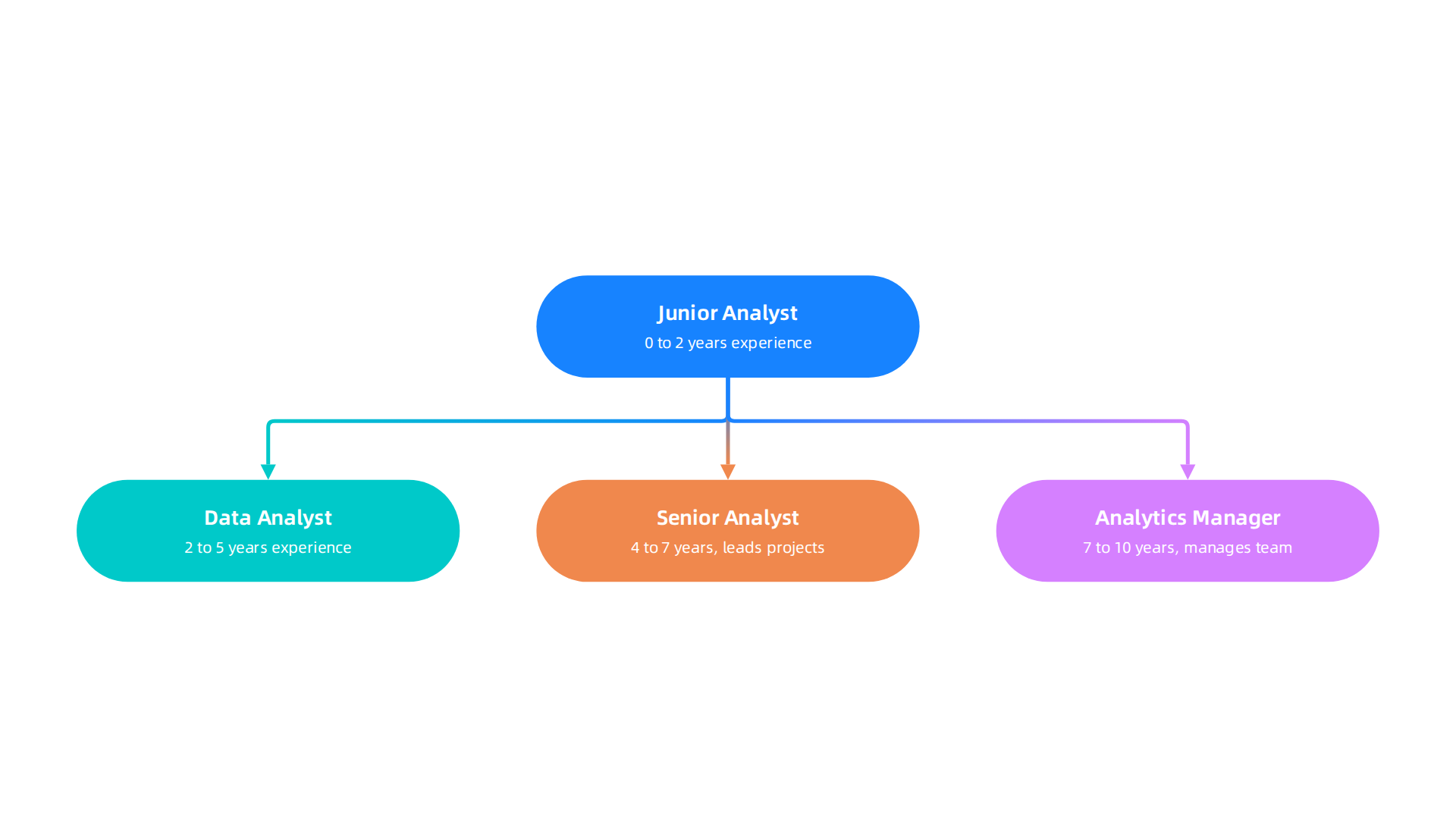
- Junior Data Analyst: This is your starting point, usually with 0 to 2 years of experience. You learn how to make basic reports and pull data.
- Data Analyst: With 2 to 5 years of experience, you start taking on your own projects. You find insights without being told exactly what to look for. Many job descriptions list a standard Data Analyst Career Path that starts here.
- Senior Data Analyst: After about 4 to 7 years, you lead bigger projects and help shape business ideas using data. You might also start guiding junior analysts.
- Analytics Manager: This role often comes after 7 to 10 years. You manage a team of analysts, set strategy, and work closely with top leaders to make big decisions. This is where your ability to influence becomes very important. You can find a full overview of these levels in the Data Analyst Career Path 2026.
Some data analysts also choose special paths. They might become experts in certain types of data analysis, like business intelligence, or move into ai data analyst jobs, which focus on data for artificial intelligence systems. These specialized roles often require deep knowledge of machine learning and data ethics.
How to Grow Your Skills (Upskilling)
To move up and take on new roles, you need to keep learning. Here's how you can upskill in 2026:
- Certifications: Many places offer short programs or certifications that teach you new tools or methods. For example, learning advanced Python or a new visualization tool like Tableau can make a big difference.
- Degree Programs: If you want a deeper understanding, getting a master's degree in data science or analytics can open doors to leadership and more complex roles.
- Project-Based Learning: Working on real-world projects helps you practice and show what you can do. This is a great way to build a portfolio, which is very important for showing your skills. You can follow a Data Analyst Roadmap to guide your learning.
- Focus on Ethics and Governance: With more data being used, especially in
ai data analyst jobs, understanding how to use data fairly and privately is key. Learning about ethical data analysis helps build trust in AI systems. For those looking to learn more about developing trusted AI, it's worth exploring how to Develop Your Enterprise Data Science Bootcamp for Trustworthy AI in 2026.
No matter what does a data analyst do on a daily basis, continuous learning helps them stay at the top of their game and grow their career in exciting ways.
After learning about how a data analyst grows their skills, let's look at things from the other side: what companies seek when they are hiring. Building a strong data analytics team and showing their worth is very important for any business today.
Hiring, Team Design, and Measuring Impact
When a company wants to hire a data analyst, they look for certain signs. It is not just about knowing tools. It's about how you think and solve problems. In 2026, companies want data analysts who are good at using tools like SQL, spreadsheets (like Excel), and special programs for showing data, like Power BI or Tableau. Many jobs also ask for skills in Python for more advanced work. More than just tools, they need someone who can turn raw data into useful ideas for the business, and a portfolio showing your past projects is very helpful for this, sometimes even more than a certificate Breaking into Data Analytics in 2026 Requires Experience.
For special roles, like ai data analyst jobs, companies look for people who understand machine learning and how to handle data in a fair and private way. This is because AI systems need good, ethical data to work well and be trusted.
Building Strong Data Teams
Designing a good data analytics team means making sure everyone works together to make smart choices. It's not just about hiring one person; it's about how the whole team is set up. A good team structure helps build trust in the data they provide and makes sure their work has a real impact. For example, some teams might have a data quality analyst whose main job is to ensure the data is clean and correct before others use it. This helps stop bad data from messing up important business decisions. Building trust with ethical data is key, especially when dealing with AI, as it helps create systems people can rely on how ethical data analysis builds trust in AI.
How to Measure a Data Analyst's Success
So, what does a data analyst do that truly shows their value? Their work helps a company in many ways, and we can measure this impact. Some common ways to see their success include:
- Better Data Quality: One big sign is improved
data quality KPIs(Key Performance Indicators). This means the data is more accurate, complete, and reliable. Good data helps everyone make better decisions. - Faster Decisions: If decisions are made more quickly because the data analyst provided clear insights in a timely manner, that's a win. They help cut down the time it takes to go from a question to an answer.
- Fewer Mistakes: When data analysts find and fix problems in the data or point out possible errors in business plans, they save the company time and money. Their work helps reduce overall business errors.
- New Insights: Sometimes, an analyst finds something completely new in the data that the business didn't know before. These fresh ideas can lead to new products or better ways of doing things.
- Increased Trust: In today's world, people need to trust the information they get. Data analysts who ensure data is gathered and used ethically help build this trust within the company and with customers. This is super important as more companies use AI, because data protection services are vital to solve any potential trust crisis with AI Data protection services solve the AI trust crisis.
By focusing on these results, companies can clearly see the important role data analysts play in their success.
By focusing on these results, companies can clearly see the important role data analysts play in their success. Looking ahead, this role will grow even more important, especially as artificial intelligence (AI) becomes part of everything we do.
Future Outlook: How Data Analysts Can Shape Trustworthy AI
As we move further into 2026, the job of a data analyst is changing quickly. AI systems are now using more private and special data. This means a data analyst has a big job as a data steward, looking after this information carefully. Their main goal? To make sure AI is built on good, honest data so people can trust it.
Stewarding Data in the Age of AI
With AI, data analysts are not just crunching numbers anymore. They are like guardians of data, making sure it is used in the right way. This includes understanding "data provenance," which means knowing exactly where the data came from, how it was collected, and how it has changed over time What is Data Provenance? | IBM. This tracing of data is vital for making AI fair and open Bringing transparency to the data used to train artificial intelligence.
A key responsibility for an ai data analyst jobs role is to check for bias in training data. Bias means the data might unfairly favor one group over another, which can make AI systems act unfairly. Data analysts use special methods to find and fix these biases, making sure the AI acts fairly for everyone Training Data Bias Detection Methods. This helps build trust, which is really important for AI that serves people well. Learning more about this can help you Master Data Annotation to Build Trustworthy AI.
Strategic Skills for the Future
To stay ahead, data analysts need new skills. They must be able to spot "synthetic drift," which is when AI systems start to make up or distort information because they are trained on too much bad or fake data. They also need to fight misinformation.
To future-proof their careers, here's what a data analyst can do:
- Learn about Data Ethics: Understand how to collect and use data in a moral way, always protecting people's privacy and making sure data is fair.
- Deep Dive into AI: Learn how AI models work, especially how they use data. This includes understanding the
types of data analysisthat go into building AI. - Master Data Governance: This means knowing the rules and systems for managing data well, from start to finish.
- Develop Bias Detection Skills: Get good at finding and removing unfairness in data. You can explore AI Learning Courses Focused On Ethics And Data Integrity For Enterprise Teams to develop these skills.
Companies will also need to put practices in place like having a dedicated data quality analyst to ensure the highest standards for data. They should also promote clear data records so everyone knows the data's history. These steps will help fight problems like synthetic drift and ensure that AI systems remain trustworthy and helpful.
Summary
This article explains what a data analyst does today and why the role is central to building trustworthy AI. It covers daily workflows—from collecting and cleaning data (which can take up to 30–40% of the day) to exploratory analysis, visualization, and communicating insights to stakeholders. The piece describes how analysts spot bias, track data provenance, and prevent synthetic drift so AI systems remain fair and reliable. It outlines the technical skills (SQL, Python/R, visualization tools) and soft skills (domain knowledge, communication, ethical judgment) needed in 2026, plus common career paths from junior analyst to analytics manager. The article also explains how employers hire and measure impact through data quality KPIs, faster decisions, and increased trust, and it recommends upskilling options and governance practices that help organizations steward data responsibly for AI.
Related Blogs
No Similar Blogs found
