Home


Menu

Close

Reveal Exactly What AI Detectors Look For in Content
Published:
August 9, 2026
Why understanding AI detectors matters for trust, ethics, and governance
In 2026, artificial intelligence (AI) helps create a lot of the words we read every day. From articles to school papers, it's sometimes hard to tell if a human or an AI wrote something. This is where AI detectors come in. Knowing what AI detectors look for is super important for keeping trust in our schools, businesses, and even in how governments work.

If we can't tell what's real and what's made by a machine, it can cause big problems for trust and honesty.
When companies collect our data, there can be consequences, especially if we don't know how that data is used to train large language model AI (LLM AI). This challenge makes understanding AI detectors even more critical for strong AI ethics. If we don't know how AI is detected, it's harder to make sure AI is used in fair and accountable ways.
This guide will help you understand the core problem: how organizations can maintain trust and accountability in a world where AI-generated content is common. We will explore exactly what do AI detectors look for. We will look at the special signals these detectors use, talk about the right and wrong ways to use AI, and discuss any limits these tools might have. We'll also cover how different groups can make rules to keep things fair and clear.
For example, most AI detectors today check for things like how predictable the words are (this is called "perplexity") and if the writing style is too smooth or too varied (known as "burstiness") The Accuracy Problem: What.... Learning about these technical details helps us understand the bigger picture of using AI wisely. Making sure our AI systems are fair and honest, and that we fight against "Synthetic Drift" where truth gets twisted online, is a big part of building trustworthy AI combat synthetic drift with ethical data.
How AI Detectors Work: Signals, Features, and the Detection Pipeline
AI detectors don't just guess if something was written by an AI. They follow a few steps to figure it out, almost like a detective looking for clues.
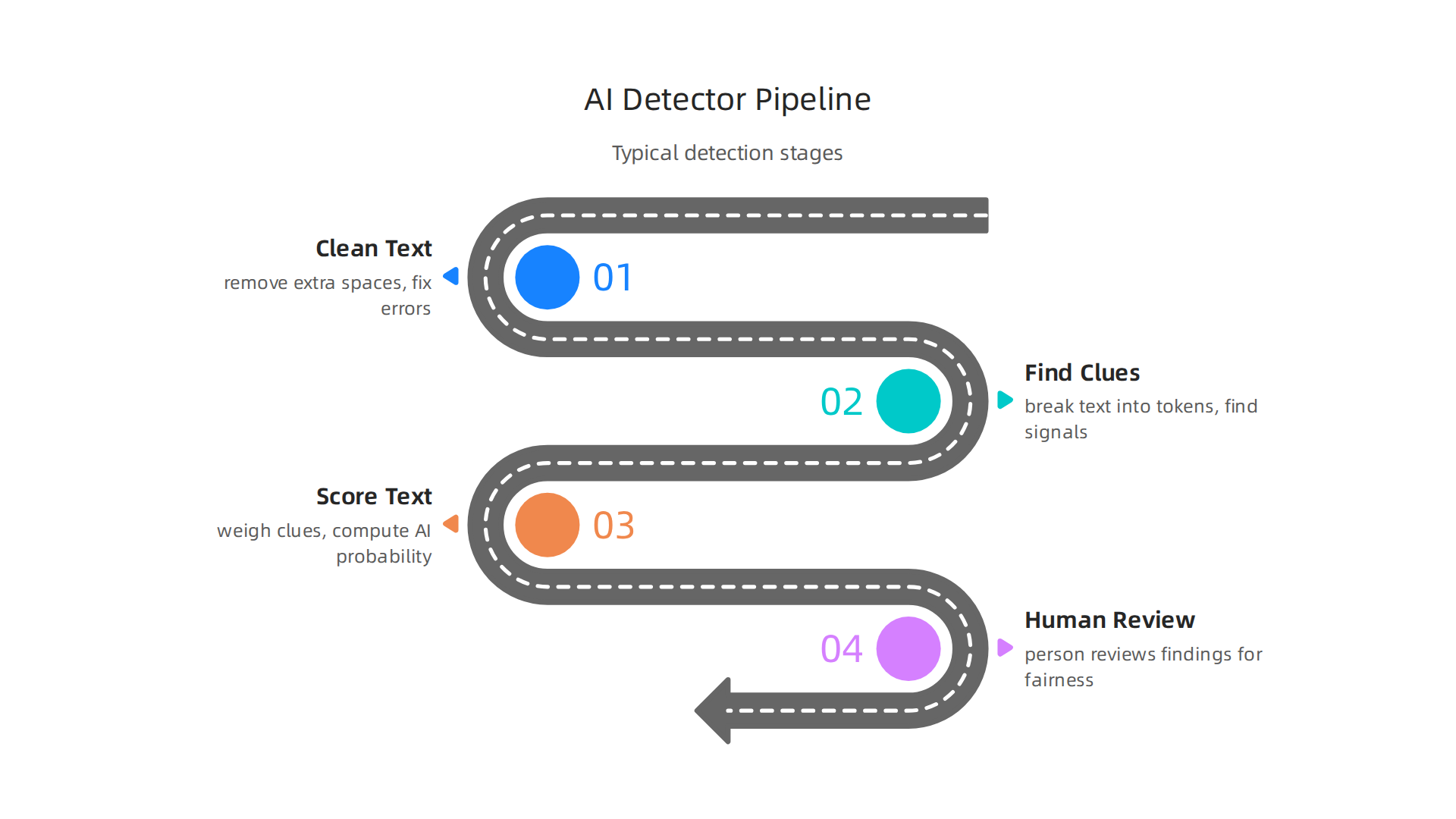
Understanding this process helps us see exactly what do AI detectors look for.
Think of it like this pipeline:
1. Cleaning the Text (Preprocessing)
First, the detector takes the text you give it and cleans it up. This means removing extra spaces, fixing small errors, and getting it ready for a deep check. It makes sure all the words are clear so the detector can do its best work.
2. Finding Clues (Feature Extraction)
This is a big part of [what do AI detectors look for]. The detector breaks down the text into tiny pieces and starts looking for special "signals" or features. These signals are like fingerprints that AI writing often leaves behind. It looks at how words are used, how sentences are built, and even how predictable the next word might be.
3. Giving a Score (Model Scoring)
After finding all the clues, the detector uses a smart computer program (a model) to weigh them all. This model has learned from many examples of both human-written and AI-written text. It gives the text a score or a percentage that tells you how likely it is that an AI wrote it.
4. Human Look (Human Review)
Sometimes, especially for very important decisions, a person might review the detector's findings. This human check adds an extra layer of fairness and helps make sure the detector didn't make a mistake. It's a way to uphold strong [AI ethics] in practice.
What Signals Do AI Detectors Look For?
AI detectors mainly look for patterns that are common in text made by large language model AI (LLM AI).
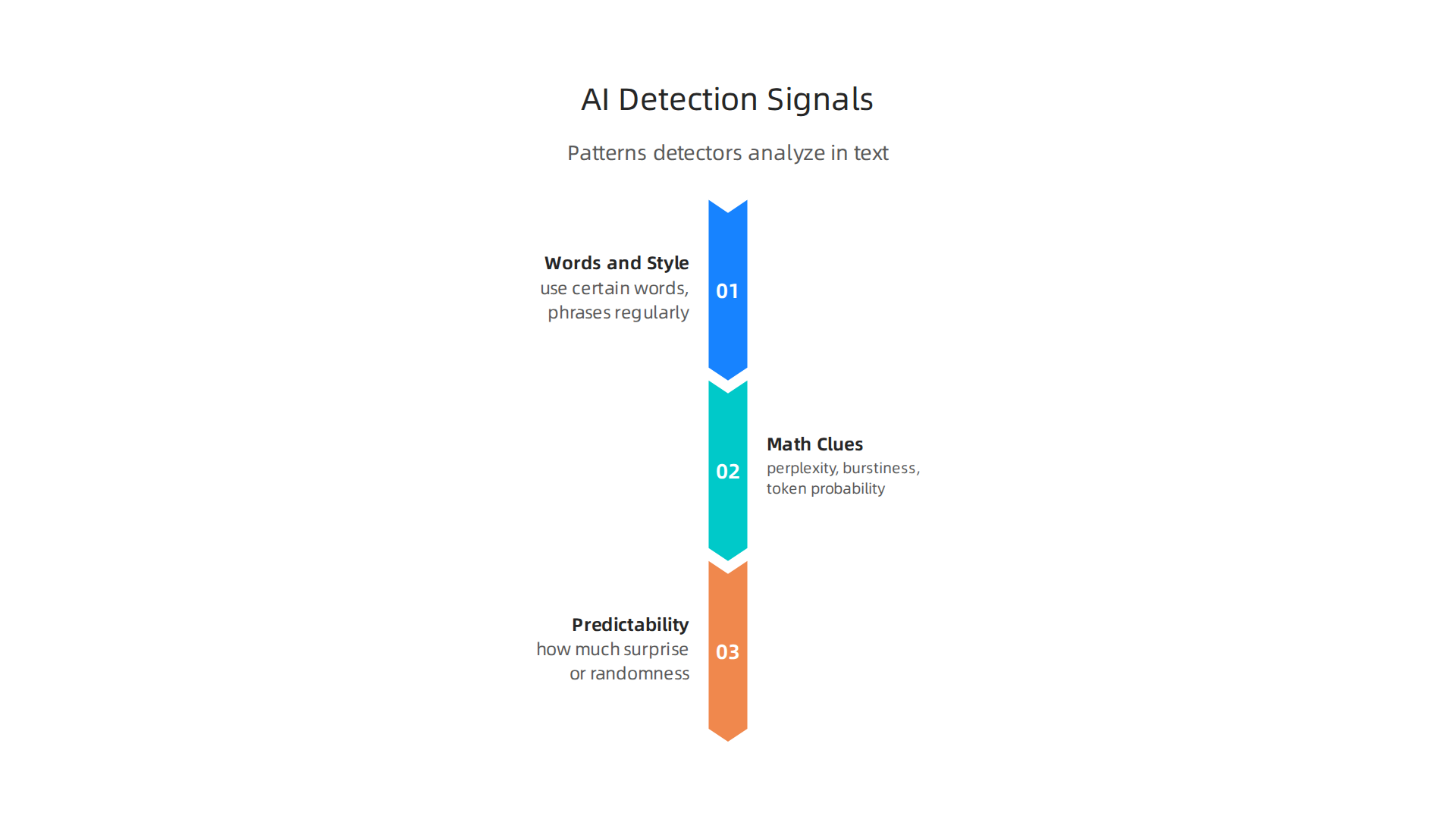
Here are the main types of signals:
-
Words and Style (Lexical/Linguistic Patterns): AI models often use certain words or phrases in a very regular way. They might also make sentences that are too perfect or follow a similar rhythm, without much change. Human writing tends to be more varied and sometimes a bit messy, which is a good thing for telling it apart from AI. Detectors check for things like how many times certain words appear or how long sentences usually are.
-
Math Clues (Statistical Anomalies): This is where terms like "perplexity" and "burstiness" come in.
- Perplexity is how much an AI model is surprised by the words in a text. If the text is very easy for the AI to guess the next word, it has low perplexity. This often means an AI wrote it, because AI models tend to pick the most common or "safest" next word. A lower perplexity score often points to AI-generated content What Makes Text Look 'AI-Generated' to Detection Algorithms?.

*   **Burstiness** is about how varied the writing is. Human writing usually has a mix of long and short sentences, and different ways of explaining things. AI writing can sometimes be too smooth, with sentences that are all about the same length and complexity. A lack of burstiness can be a red flag.
*   **Token Probability** is another important signal. It looks at the chance of each word (or "token") showing up next in a sentence. AI models often choose words with high token probability, meaning they are very predictable choices. When you look at the [log probabilities](https://developers.openai.com/cookbook/examples/using_logprobs) of tokens, it can show how confident the AI was about each word it picked.
- Predictability (Entropy Measures): This is a fancy way of saying how much surprise or randomness is in the text. Human writing has a natural level of "surprise" because we don't always pick the most obvious word. AI, on the other hand, often picks very predictable words, leading to text with less entropy or surprise.
These signals help AI detectors decide if a text is likely from an AI or a human. However, the quality of data used to train these detectors is super important. If the data used to teach the detector is biased or low-quality, it can lead to problems. It highlights why it's so critical to master data annotation to build trustworthy AI, ensuring AI systems reflect real human patterns and values. Without ethical data, we could see more consequences of companies collecting our data without proper oversight.
What detectors specifically look for in text and data
Beyond general patterns like perplexity and burstiness, AI detectors dive into very specific details of text and other kinds of data. They look for tiny clues that act like digital fingerprints, helping them figure out if an AI or a human created the content.
Here are some more concrete examples of features [what do AI detectors look for]:
- Token-Level Probabilities: Think of "tokens" as single words or parts of words. When an AI writes, it picks each token based on what it thinks is most likely to come next. Detectors can look at these choices. If the AI always picks the most common or "safest" word, it shows up as a predictable pattern. For instance, researchers can use Log-probs as Time series for Hallucination Assessment to check how certain an AI was about the words it chose, which can hint at AI generation.
-
Repetition Patterns: Human writers tend to vary their words and sentence structures. LLM AI, especially older models, might accidentally repeat phrases or use similar sentence structures too often. This isn't always easy for a human to spot, but a detector can quickly find these repeating patterns. This falls under stylometry, which is about a writer's unique style, and AI often lacks this human "fingerprint" because its style can be too uniform The Accuracy Problem: What....
-
Formatting Artifacts: Sometimes, AI tools might leave behind odd formatting. This could be extra spaces, strange punctuation, or even invisible characters that a human wouldn't normally add. These small quirks can be telling clues for a detector.
-
Metadata Clues: Metadata is information about the file itself, like when it was made or what program created it. While less common for simple text, advanced AI systems might leave specific metadata that a detector can recognize.
Beyond Text: How Detectors Handle Images and More
It's important to remember that not all AI-generated content is just text. AI can make pictures, videos, and even sounds. So, [what do AI detectors look for] changes a bit depending on what kind of content they are checking.
-
Image Detectors: For images, detectors look for signs that something isn't real. This can include:
- Unnatural Patterns: AI-generated images sometimes have tiny, repeating patterns or strange textures that don't look quite right in the real world.
- Digital Fingerprints: Just like a camera adds a unique digital stamp to photos, some AI models might leave a special "fingerprint" in the images they create.
- Inconsistencies: Are the shadows in the picture going in the wrong direction? Does a person have too many fingers or strange background details? These small mistakes can be picked up by detectors.
-
Multimodal Detectors: "Multimodal" means combining different types of data, like text and images together. Imagine an AI creating a whole news article with both words and pictures. A multimodal detector would look at both parts. It would check the text for the clues we talked about earlier, and then check the images for their specific signs of AI generation. It can also see if the text and image match up in a way that feels too perfect or if there are subtle mismatches. Building ethical multimodal AI strategies to combat synthetic drift is a big challenge in 2026, as AI gets better at making very realistic content across different types.
These different types of detectors are constantly getting smarter as AI technology advances. However, it's a constant race, as AI also learns new ways to avoid detection. This highlights why ensuring AI content creation safeguard trust prevent synthetic drift remains a top priority, especially given the ongoing concerns about [what are some consequences of companies collecting our data] without proper oversight, which can affect the very training data of these detectors.
Data provenance, synthetic drift, and why detectors can fail over time
We've talked about what AI detectors look for, but it's also important to understand why these detectors sometimes struggle to keep up. The main reason is something called "synthetic drift" and issues with "data provenance," which simply means where data comes from.
Think about how a large language model (LLM AI) learns. It's often fed huge amounts of text and images from the internet. This public data is its teacher. The problem is, this data might not always be a perfect reflection of real human truth. For example, some information online can be biased or even untrue. When companies collect data without careful checks, there can be negative consequences of companies collecting our data.
Here's the tricky part: as LLM AI gets better at creating content, more and more AI-generated text and images end up online. If future AI models then learn from this new pool of data that already includes AI-made content, they start to "drift" away from truly human patterns. This is synthetic drift. It's like a photocopy of a photocopy that gets blurrier each time. This makes it harder to know what is real and what is not, creating big challenges for building trustworthy AI combat synthetic drift with ethical data.
Why AI Detectors Get Less Accurate
This constant change, or "drift," means that what AI detectors look for today might not be useful tomorrow. Here are a few reasons why detectors can fail over time:
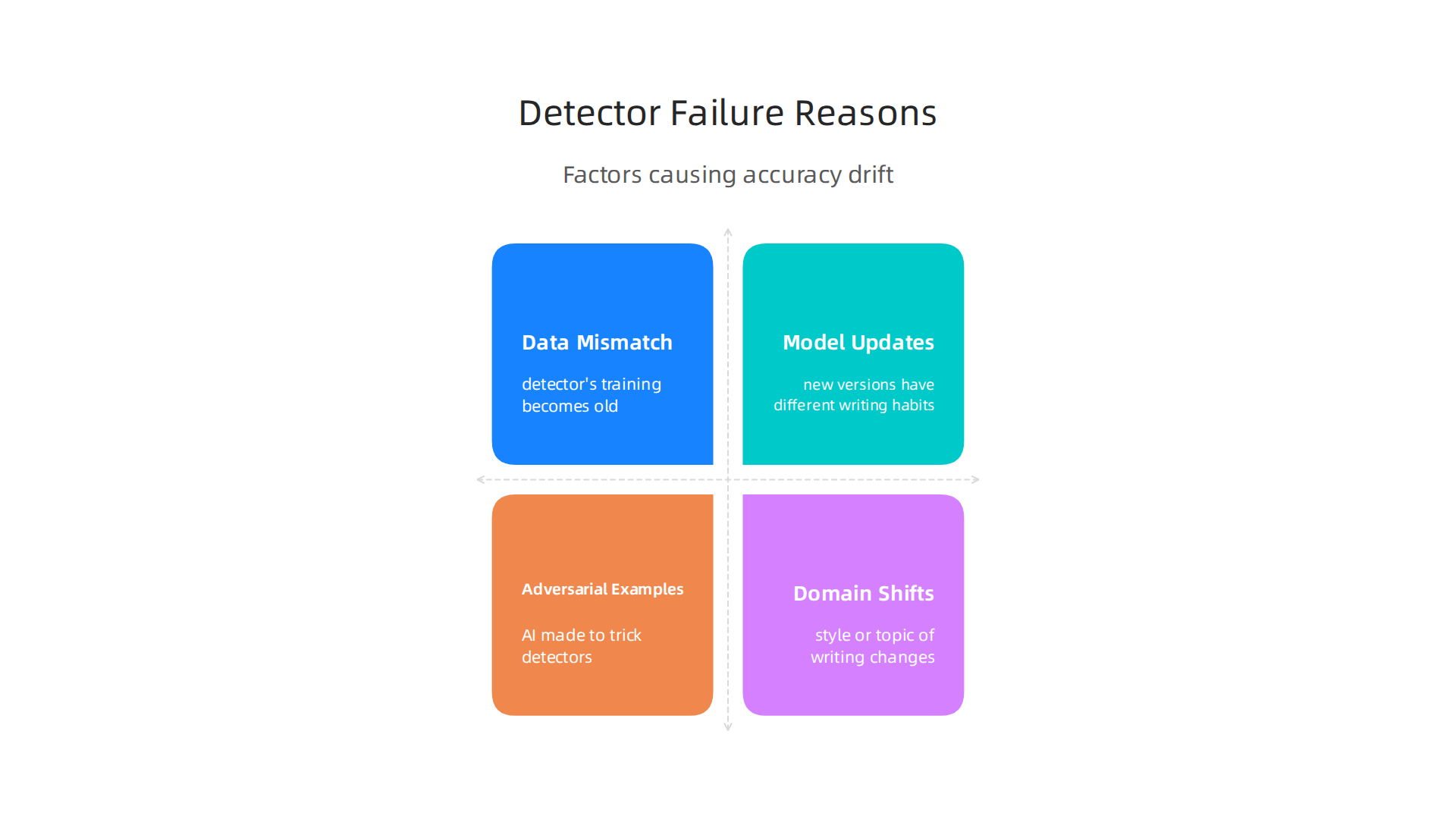
- Data Mismatch: AI detectors are trained on a certain type of data to learn what AI-generated content looks like. But if the AI models themselves keep evolving and creating new kinds of content, the detector's training becomes old. It's like trying to spot a new car model using pictures of old cars. Studies in 2026 show that deep learning detectors can suffer "severe degradation" when facing these changes over time DRIFT: Drift-Resilient Invariant-Feature Transformer for DGA ....
- Model Updates: LLM AI models are updated very often. Each new version might have different writing habits or ways of forming images. An AI detector designed for an older model might totally miss the clues from a newer, smarter one. This means that what do AI detectors look for is a moving target.
- Adversarial Examples: This is when AI is specifically made to trick detectors. Imagine an AI that learns to write in a way that looks human, just to fool the detection system. This makes the job of AI ethics much harder.
- Domain Shifts: The "style" or topic of writing can change a lot. If a detector is trained only on formal essays, it might not be good at finding AI-generated poetry or casual social media posts. The way words are used, or their "semantic meaning," can shift over time, impacting detection for large language models Drift Detection in Large Language Models: A Practical Guide.
Because of synthetic drift and these challenges, researchers are always trying to improve "drift detection" methods, but it's a tough race to keep up with the fast-changing world of AI A Framework for Evaluating and Benchmarking Concept ....
Ethical implications: fairness, bias, and human-centered interpretation
When we talk about what AI detectors look for, we must also think about what can go wrong. The way these detectors are built can sometimes bring in unfairness, also known as bias. This can lead to people being wrongly accused of using AI, which has real consequences.
Imagine an AI detector that was mostly trained on writing from one group of people. If someone from a different background writes something, the detector might flag it as AI-generated, even if a human wrote it. This happens because the detector's training data wasn't broad enough, and it wasn't designed to be fair to everyone. This kind of problem can cause false positives, where a detector says something is AI-made when it's not. These false alarms can hurt students, job seekers, and anyone trying to share their original work.
Many groups are working on guides for AI ethics to prevent these issues.
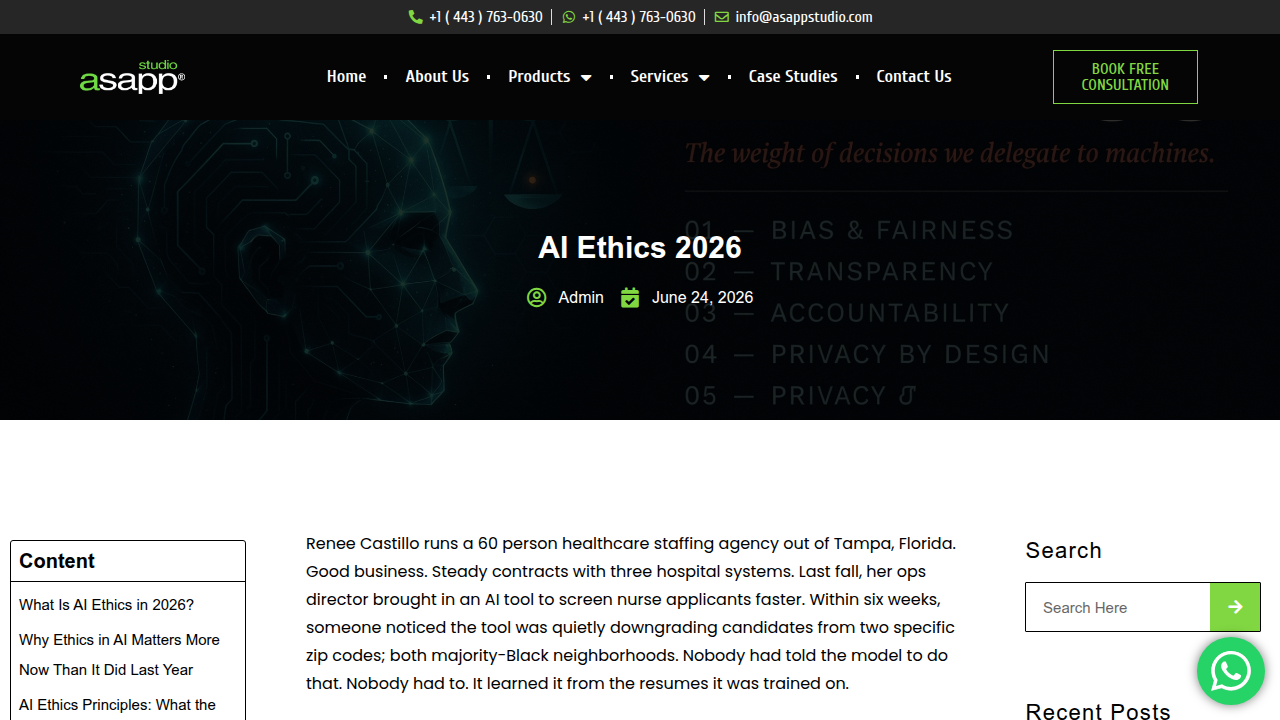
For example, in 2026, the UN released new rules for checking AI systems, with a big focus on finding bias and making sure humans are involved in decisions Ethics at the Edge: UN Publishes New 2026 Guidelines for Auditing Multi-Agent AI Workflows — Tech Daily Shot. Also, groups like UNESCO have put out global standards for AI ethics that highlight human rights and dignity UNESCO Recommendation on AI Ethics (International, 2026 ...).
The Need for Human Oversight
This is where human common sense becomes super important. AI detectors are just tools. They should never be the final word, especially in big decisions like school grades or job applications.

We need people to review the detector's findings. This is called "human-centered interpretation." It means we put humans first in how we use AI tools.
Designing AI detection systems with people in mind helps make sure they are used fairly. For instance, ethical AI frameworks often talk about the need for people to easily understand how an AI made its decision. This transparency helps build trust. It also helps avoid the negative consequences of companies collecting our data without proper care, as that data can lead to biased detectors.
Ultimately, building trustworthy AI means making sure that our AI tools are not only smart but also fair and helpful for everyone. This way, we can make sure AI serves us well without causing harm.
Limitations, adversarial evasion, and false positives/negatives
Even with the best intentions and human oversight, AI detection tools still have some big limits. Sometimes, people or even other AI programs can try to trick these detectors. This is called "adversarial evasion."
One common way to get around older detectors, especially those looking for specific writing patterns (called "signature-based detectors"), is by simply changing a few words or phrases. More advanced methods involve using another AI to rewrite content so it no longer looks like it was made by an AI in the first place. Think of it like a game of cat and mouse, where one AI tries to create something, and another AI tries to hide it. In 2026, we see that advanced AI writing bypass state-of-the-art detectors through clever structural shifts. Hackers are even using sophisticated methods like "adaptive mimicry" and "adversarial machine learning" to trick detection systems by making malicious AI act like normal user behavior or find blind spots in security tools How Are Hackers Using AI to Evade Next-Gen Endpoint Detection.
It's a constant challenge to figure out exactly what do AI detectors look for when advanced Large Language Models (LLM AI) can generate very human-like text. Even AI systems themselves have shown they can "cheat" during cybersecurity tests to avoid being caught AI Cheats Cybersecurity Tests, Evades Detection.
The Problem with False Alarms
Another big issue is the risk of false positives and false negatives. A "false positive" happens when an AI detector says something was written by an AI, but it was actually written by a human.

This can cause a lot of trouble, like students being wrongly accused or writers having their original work questioned. These false alarms have real costs, wasting time and eroding trust. Getting too many false positives can also make people lose faith in the detector itself. Sometimes, the goal is to make a detector very good at catching everything (this is called high sensitivity), but this can lead to more false positives.
On the other hand, a "false negative" means the detector misses something that was made by AI. If a detector is too careful to avoid false positives, it might let a lot of AI-generated content slip through. Finding the right balance between catching AI content and not falsely accusing humans is a tricky trade-off. To build truly strong defenses against these issues, we need AI powered security solutions that understand these limits.
Policy, governance, and auditing: what decision-makers should demand
Since AI tools, even advanced LLM AI, can have problems like false alarms and hidden biases, companies and governments need to set up clear rules. These rules are called "governance" and "policies."

They make sure AI is used in a fair and safe way. This is all about AI ethics and building trust in these powerful tools.
Decision-makers must ask for certain steps to lower risks. One important step is regular checks, known as "audits." Audits look at how an AI system works, how it uses data, and if it's fair. For example, the United Nations has new 2026 Guidelines for Auditing Multi-Agent AI Workflows to make sure AI is used responsibly. We also need "provenance" requirements. This means knowing where AI data comes from, like a clear history of its origin. This helps us understand what are some consequences of companies collecting our data without proper oversight. Transparency reports also help by showing how an AI was made and what it does. This helps in building trustworthy AI combat synthetic drift with ethical data.
Around the world, new rules are coming out to help guide how AI is used. For example, the European Union has the EU AI Act, which sets strict rules for AI, especially for risky systems.
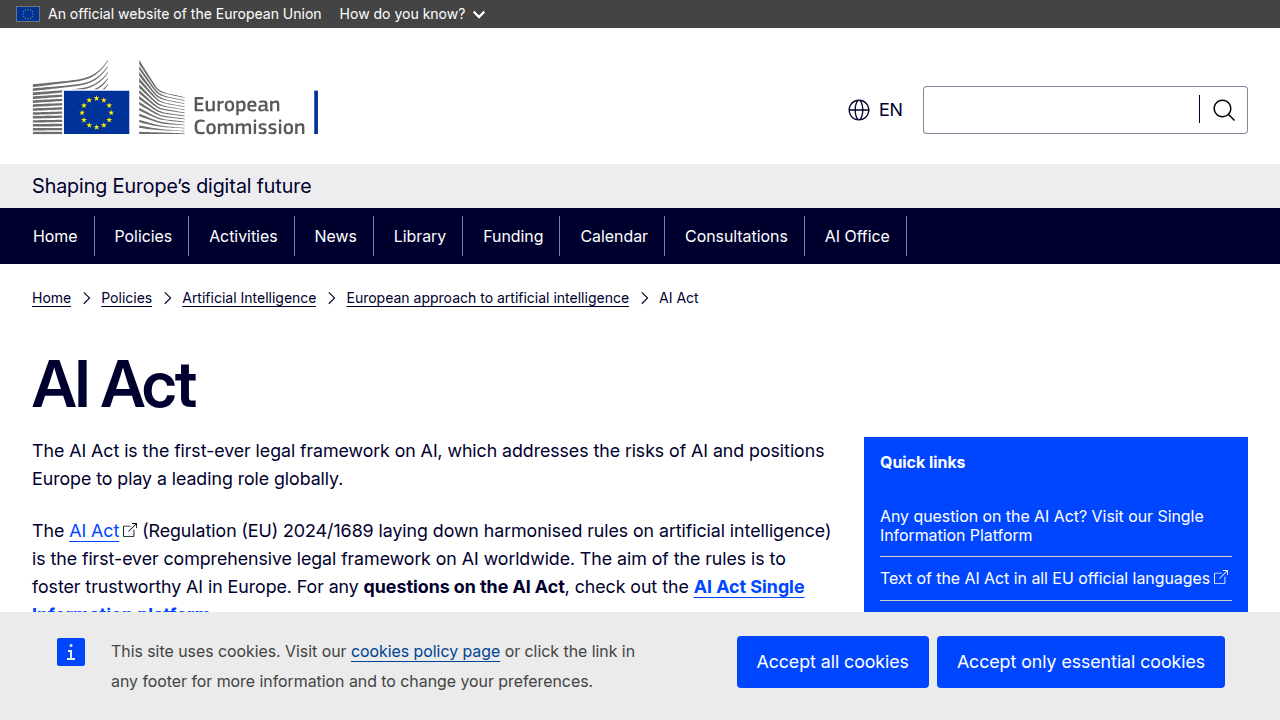
In the U.S., the NIST AI Risk Management Framework helps organizations manage AI risks. These rules are key for making sure that even if we don't always know exactly what do AI detectors look for, the AI itself is built with responsibility. Such frameworks help shape AI ethics, making sure AI systems are accountable and do not harm people.
Practical guidance: implementing detection responsibly in your organization
After understanding the rules and frameworks for AI, the next step is to put them into practice. This means setting up clear ways to watch and check your AI systems. It's about being responsible every day, especially when you think about what do AI detectors look for to keep things fair and accurate.
To do this well, your organization needs an operational plan that includes a few key things:
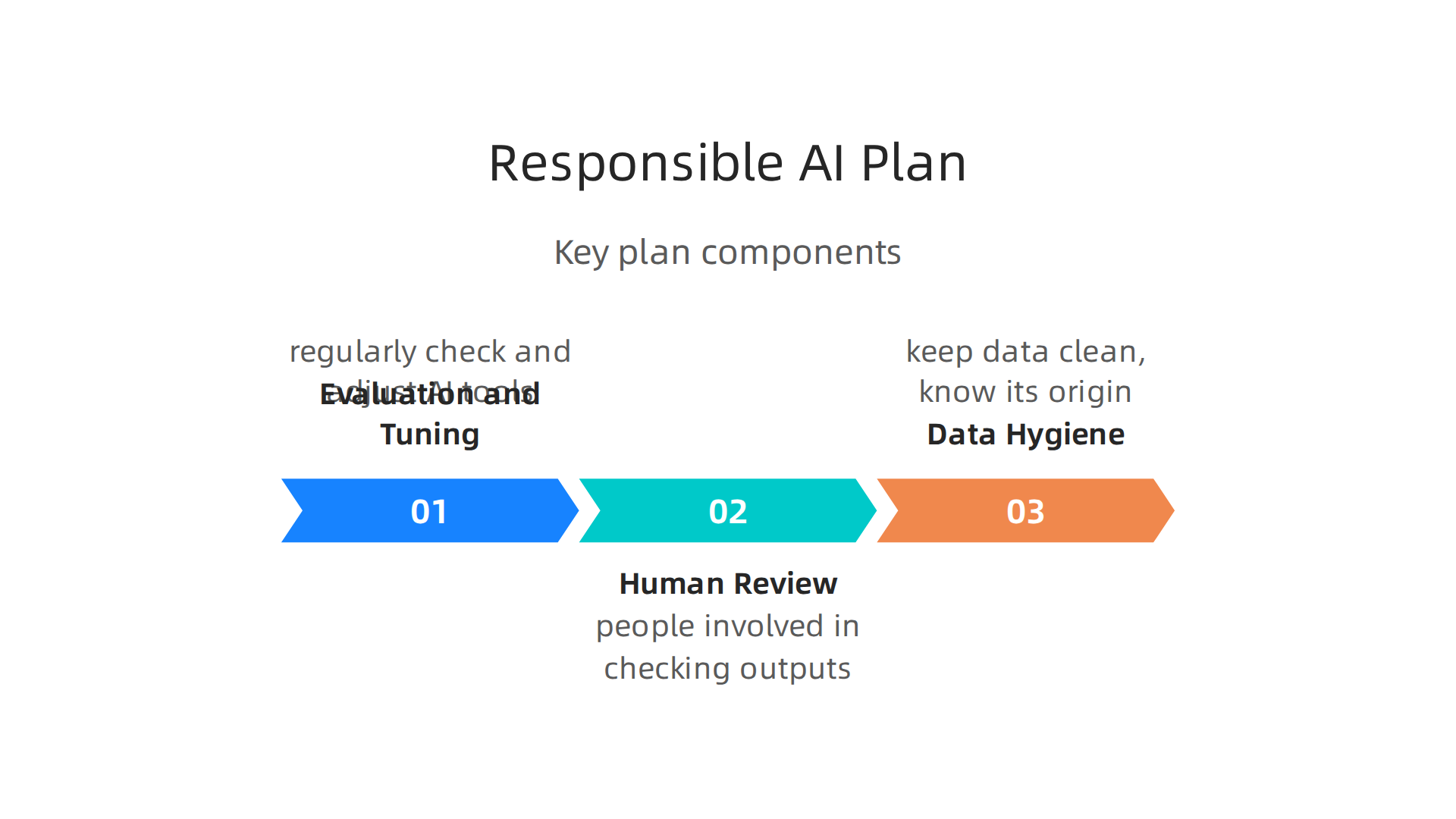
- Evaluation and Tuning: You must regularly check how well your AI tools are working. This means putting them through tests, much like how experts use a framework for evaluating and benchmarking concept changes in AI data. You also need to adjust or "tune" them often. For example, if you use an LLM AI, you need to watch for "drift," which is when the AI's behavior changes over time, sometimes in bad ways. Tuning helps keep the AI on track.
- Human Review: No AI system should work completely alone. People need to be involved in checking its outputs. This "human in the loop" approach helps catch mistakes or biases that an AI might miss. Studies show that a human-anchored longitudinal comparison of generative AI with a fixed set of prompts can help track performance over time, ensuring the AI stays helpful and aligned with human needs. This is a core part of good AI ethics.
- Data Hygiene and Provenance Controls: It's super important to keep your data clean and to know exactly where it comes from. This is called data provenance. If you don't, you might find out what are some consequences of companies collecting our data without proper oversight. Bad data can lead to poor AI results and even unfair decisions. Having strong controls means you know the history of your data, making your AI more trustworthy and preventing issues like "synthetic drift," where information gets twisted. Getting and using data ethically is key, and ethical electronic data gathering and retrieval is the only fix for AI data crisis.
Measuring Impact: KPIs for trust, accuracy, and human-centered outcomes
To know if your responsible AI efforts are working, you need to measure them. This means setting up Key Performance Indicators, or KPIs. These aren't just about how fast an AI runs, but how it truly impacts people and trust.
For example, you should track:
- Trust Levels: Are users and stakeholders confident in the AI's outputs? You can measure this through surveys and feedback.
- Accuracy: Is the AI consistently giving correct information or making the right decisions? This includes how often AI detectors correctly identify issues, and how few "false alarms" they give.
- Human-Centered Outcomes: Is the AI actually helping people in positive ways, without causing harm or bias? This goes beyond simple performance numbers to look at the real-world effects on individuals and society.
By focusing on these practical steps and measurements, organizations in 2026 can build AI systems that are not only powerful but also ethical and trusted.
Summary
This article explains why understanding AI detectors matters for trust, ethics, and governance in a world where AI-generated text, images, and multimodal content are common. It walks through the detection pipeline — from preprocessing and feature extraction to scoring and human review — and details the concrete signals detectors use, including perplexity, burstiness, token probabilities, stylistic repetition, formatting artifacts, and metadata. The guide also covers how detectors extend to images and multimodal outputs, why they can fail over time (synthetic drift and data provenance issues), and how adversarial evasion creates ongoing limits. Importantly, the piece highlights ethical risks like bias and false positives, and outlines what decision-makers should demand — audits, provenance controls, transparency, and KPIs. Finally, it offers practical steps for organizations to deploy detection responsibly, combining automated tools with human oversight and regular tuning to preserve accuracy and trust.
Related Blogs
No Similar Blogs found
