Home


Menu

Close

Mastering Cybersecurity Threats to AI Systems in 2026 Enterprise Defense
Published:
August 30, 2026
The world of computer safety, or cyber security, is changing very fast because of Artificial Intelligence (AI).

We are now in 2026, and AI is everywhere. While AI helps us do many great things, it also brings new and serious dangers from cyber attacks. These aren't the same old computer problems we used to face. AI makes the ways attackers can get in much wider and the damage they can cause much bigger.
Actually, reports show that AI-driven attacks are the fastest-growing risk in the cyber world. In 2025, a lot of companies said that problems from AI were their biggest and fastest-growing cyber worry [Top Cybersecurity Threats in 2026]. This is because AI systems themselves can become a target for attackers, or they can be used as a tool to launch new kinds of attacks. For example, bad actors can mess with the data that AI learns from, called "data poisoning," or even steal important information through these systems [G7-Cyber-Expert-Group-Statement-AI-and-Cybersecurity-2025.pdf]. This creates big problems for information security, making companies and governments rethink how they protect their digital spaces.
The old ways of dealing with cyber attacks just aren't enough anymore. The rise of AI means we need a whole new set of rules and a different way of thinking about protection. This is why a new approach to cyber security consulting services is so important. We need to help big organizations and government groups understand these new risks better.
This new way focuses on how to look at risks, how to build secure computer systems, how to set up good rules for using AI, and how to react quickly when a cyber attack happens. It's about building trust in our AI systems from the very beginning. If you're looking to understand how to keep your systems safe in this new AI age, learning to master cybersecurity threats to AI systems in 2026 is a key step.
Understanding the AI-era Cyber Threat Landscape
The new age of AI brings fresh ways for bad actors to carry out cyber attacks. It's not just about guessing passwords or sending viruses anymore. AI makes these attacks stronger, faster, and harder to stop.
Think about how AI helps attackers:
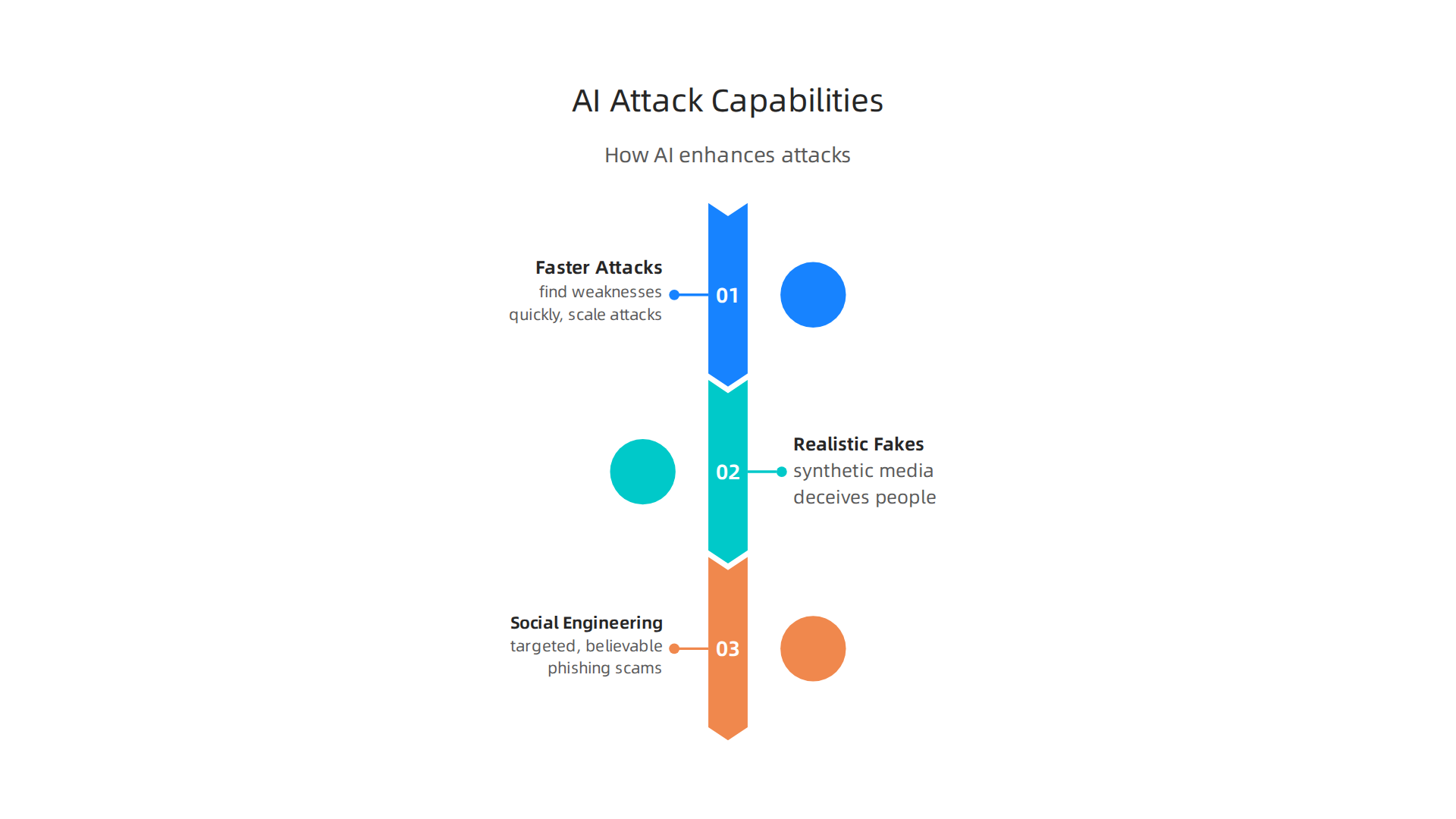
- Faster and Bigger Attacks: AI tools can find weaknesses in computer systems much quicker than people can. They can also launch many attacks at the same time, hitting lots of targets. This makes the scale of potential cyber attacks much larger.
- Very Real Fakes: AI can create fake videos, sounds, and writings that look and sound just like real ones. These are often called "synthetic media" or "deepfakes." Attackers can use them to trick people into giving away secrets, spreading false information, or believing things that aren't true. This kind of fake content can seriously harm public trust and information security. The spread of AI-generated misinformation is a growing concern [Synthetic media, political disinformation, and ... - Frontiers] and is part of a larger problem called "Synthetic Reality" [The Collateral Effects of LLM-Generated Misinformation on ... - arXiv].
- Smart Tricking: AI can also learn how people act and talk. This helps attackers create very believable scam emails or messages that seem to come from someone you know. These are much harder to spot than older, simpler scams.
Because of these new abilities, protecting computer systems and data has changed a lot. Organizations now need to worry about threats that target AI itself, not just the systems around it.
Here are some new types of cyber attacks we see in 2026:
- Data Poisoning: As mentioned before, this is when attackers feed bad or wrong information to an AI system while it's learning. This can make the AI give wrong answers or create hidden problems that attackers can use later. Keeping AI data secure is a big challenge [New Best Practices Guide for Securing AI Data Released | CISA]. The European Union's ENISA highlights data poisoning as a key AI threat [ENISA AI Threat Landscape (European Union, 2026)].
- Model Theft: Imagine someone stealing the brain of your AI system. That's model theft. Attackers try to copy or steal the AI model itself. If they get it, they can learn how it works, find its weaknesses, or even use it to build their own bad AI tools.
- Exploiting Synthetic Drift: This is a subtle but serious threat. When AI creates a lot of fake or slightly untrue content, it can slowly change what people believe is real or normal. This "Synthetic Drift" makes it easier for misinformation to spread and erode trust over time. It makes it harder to know what's true, hurting overall information security. To combat this, organizations need to understand how to keep their AI models aligned with real human values and prevent this drift. You can learn more about how to combat synthetic drift with NIST cybersecurity framework for trustworthy AI.
These new AI-driven cyber attacks mean that businesses and governments need new strategies for information security. They can't rely on old defenses. New guidance, like that from CISA, helps explain how to use AI systems safely [CISA Joins ACSC-led Guidance on How to Use AI Systems Securely]. This is why strong cyber security consulting services are so important today. It's also why more companies are looking into cyber insurance policies that cover these complex, AI-specific risks, though such policies are becoming more specialized and costly. The MIT AI Risk Initiative tracks these evolving dangers, showing just how complex the landscape has become.
Risk Assessment: Identifying AI-induced Vulnerabilities
Now that we know about the new kinds of cyber attacks that use AI, it's time to talk about how businesses check for these dangers. Doing a risk assessment means looking closely at everything that could be harmed and figuring out how bad that harm might be. In 2026, this job has gotten much bigger because of AI.
Old ways of checking for risks mostly looked at things like computers, networks, and software. But with AI, we need to add new things to our list of important assets.
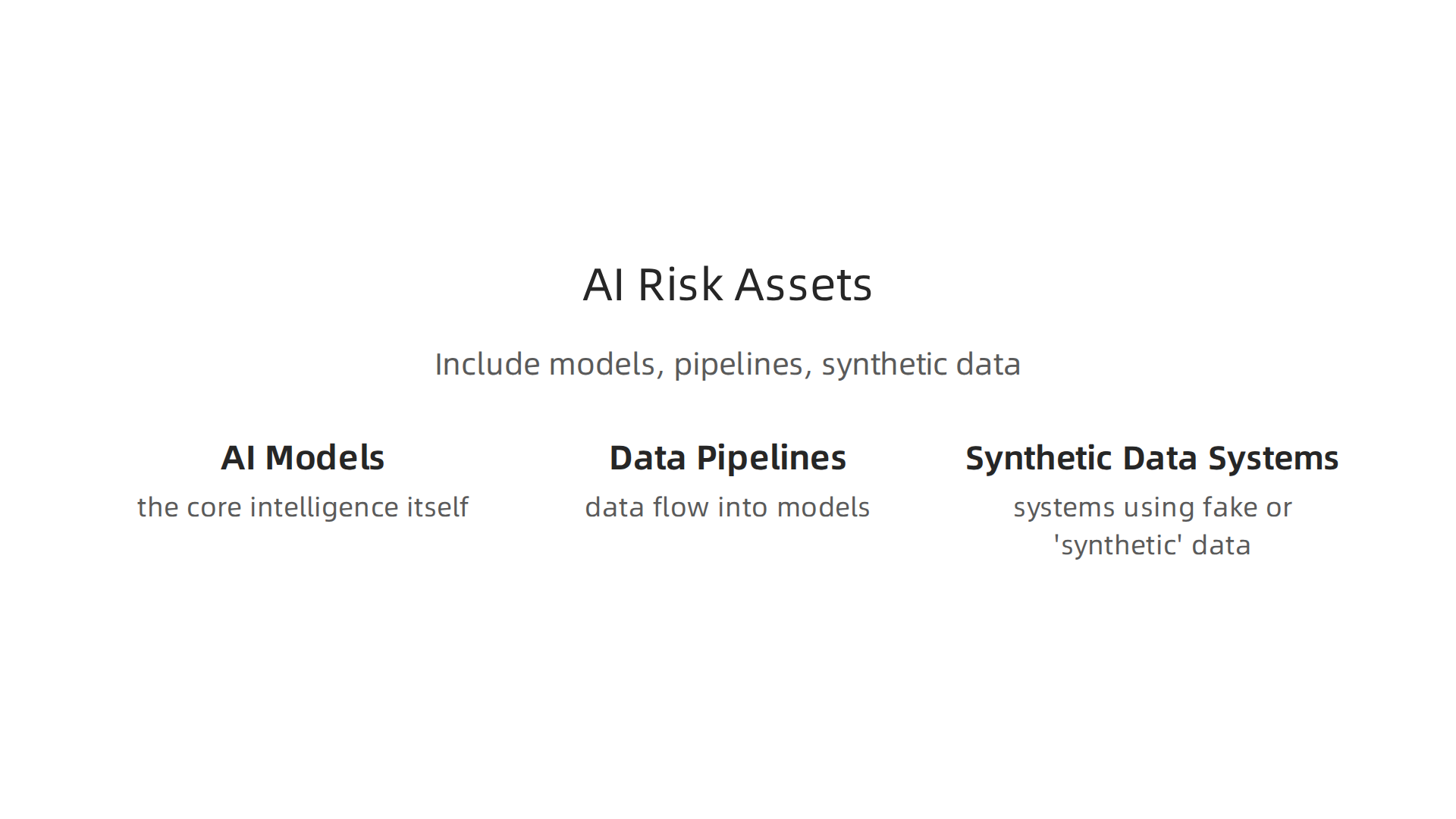
This includes the AI models themselves, the ways data flows into them (called data pipelines), and any systems that use fake or "synthetic" data. It's like adding new valuables to your home insurance list; you need to know exactly what you own to protect it. Experts suggest that a key step is to inventory every AI system and data flow to spot all possible weak points. This also means making sure all your AI data is "AI-ready" and safe. You can learn more about how to unlock trustworthy AI systems with AI-ready data.
Once you know what assets you have, the next step is to figure out which ones are most at risk. This means thinking about two main things for each possible cyber attack:
- How likely is it to happen? For example, how likely is it that someone will try to "poison" your AI's training data, making it learn wrong information?
- How bad would it be if it did happen? If your AI system learned wrong things because of data poisoning, how much damage would that cause? Would it make bad business decisions, lose customer trust, or create fake content?
When dealing with AI, you have to think about new kinds of failures. These include things like "model drift," where an AI starts to act differently over time, or "data poisoning," as mentioned before. These unique AI problems need special attention in a risk assessment. Understanding these specific attacks and their impacts is key to better information security for AI systems Securing AI Systems: A Guide to Known Attacks and Impacts.
By weighing the likelihood of an AI-specific attack against its potential impact, businesses can decide what to protect first and where to spend their resources.

This new approach to risk assessment often requires help from experts. Many companies are now seeking cyber security consulting services to guide them through these complex AI challenges. This shift also impacts areas like cyber insurance, as policies need to cover these advanced, AI-driven cyber attacks. This helps companies stay safe in our fast-changing digital world.
After understanding the risks, the next big step for businesses and governments in 2026 is to build strong defenses. This means creating a special defense plan, or "Strategic Defense Architecture," to protect against AI-driven cyber attacks.

It's like building a castle with many layers of protection instead of just one wall.
Design Principles for Strong AI Security
To build a tough defense, we need some key ideas:
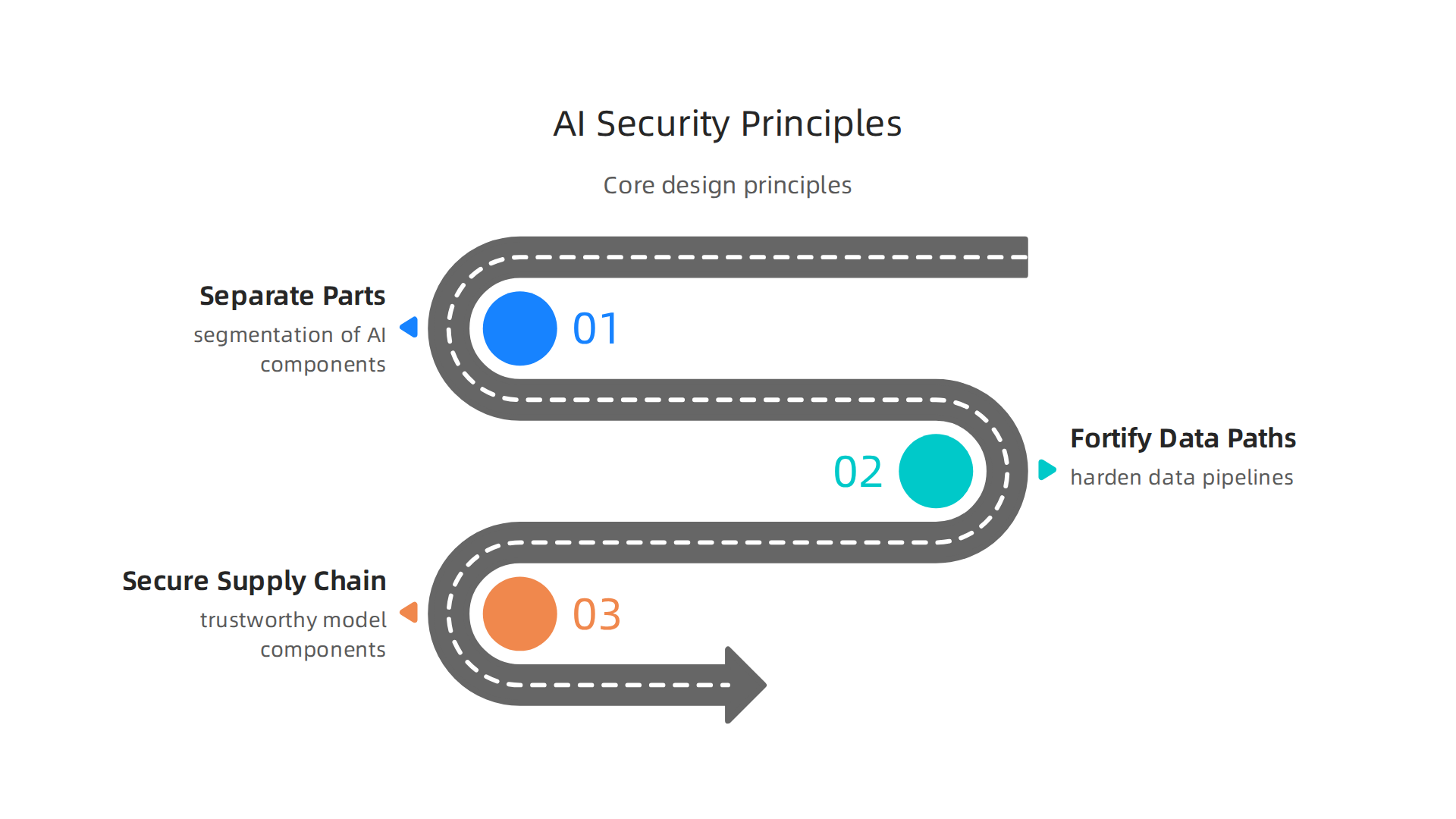
- Separate the Parts: Imagine your AI system as a house with many rooms. You wouldn't want someone who breaks into one room to easily get into all the others. This is called "segmentation." It means keeping different parts of your AI, like the models and the data pipelines that feed them, separate. If one part is attacked, the rest stays safe. This helps manage risks in your enterprise AI architecture by creating secure zones.
- Fortify the Data Paths: Data is the lifeblood of AI. The "pipelines" or paths that data travels on must be very strong. This means making sure no bad data can sneak in and no good data can leak out. Think of it as hardening all the doors and windows where data enters and leaves your AI systems. Experts agree that security must be put in place at every step of this data journey, from input to output Enterprise AI Security: Best Practices for 2026.
- Secure the AI Supply Chain: Just like you'd check where your food comes from, you need to check where your AI models and their parts come from. This is called a "secure model supply chain." It means making sure all the pieces of your AI are trustworthy, from the training data to the tools used to build the AI. One way to do this is by following a "zero-trust" approach, meaning you don't trust anything by default and always check it. Security standards are also important frameworks for identifying and fixing risks in AI systems AI Security Standards: Key Frameworks for 2026.
Recommended Technical Controls and Detection
Once you have these design ideas, you need specific tools and steps to put them into action.
- Strict Access Rules: Not everyone should have access to every part of your AI system. This is called "least-agency access" or "least privilege." It means each AI program and each person only gets the minimum permissions needed to do their job. This greatly reduces the chance of cyber attacks spreading. You can apply this rule to every AI agent, giving it only the tools and data it absolutely needs AI Security in Enterprise Systems: 2026 Guide.
- Always Encrypt Data: Think of encryption as scrambling information so only those with the right key can read it. All data, whether it's sitting still (at rest) or moving around (in transit), should be encrypted. This is a basic but powerful step in information security.
- Smart Detection Layers: Even with strong defenses, some threats might get through. That's why you need "detection layers." These are systems that constantly watch for unusual activity. This includes looking for strange patterns in how AI models behave or how data flows. Using AI itself to detect these anomalies is becoming a common practice for identifying points of weakness A Defense-In-Depth and Layered Approach to Software Supply ....
- Integrating Security into Daily Work: These security steps shouldn't be separate from your normal operations. They need to be built into every part of how you develop, deploy, and manage AI systems. This is where security operations come in. They make sure that all the detection tools talk to each other and that people are ready to act quickly when an alert goes off.
By following these principles, businesses and government agencies can create a powerful defense against new AI-driven cyber attacks, making their systems more secure in our complex digital world. Building trustworthy AI is a major goal for many organizations, and strong security architecture is a crucial part of that journey. You can explore how AI-powered security solutions combat synthetic drift and build trust within these complex systems.
After setting up strong defenses against advanced cyber attacks, the next crucial step for organizations is to manage their data wisely. This means putting in place good "Data Governance" and "Ethical Data Practices." These steps are vital to stop something called "Synthetic Drift."

Synthetic drift happens when AI models slowly start to lose touch with real human values and truth because of bad or skewed data. It's like a boat drifting off course if it doesn't have a good map.
Policies for Smart Data Use
To keep AI models true and helpful, we need clear rules for how data is found, used, and kept.
- Getting Data with Permission: It's important to only use data that people have agreed to share. This is called "permission-based data sourcing." It builds trust and makes sure the data truly represents real human experiences, not just information scraped from the internet without consent. When you get data this way, you help make sure your AI systems are fair and ethical from the start.
- Tracking Data's Journey: Knowing where every piece of data comes from is key. This is called "provenance tracking." Think of it as a detailed history book for your data. It shows who collected it, when, and how it was processed. This helps you check if the data is reliable and hasn't been changed by cyber attacks or other bad actions. This also helps reduce long-term drift in AI models 2026: The Year of Synthetic Data Governance and AI Oversight.
- Careful Data Selection: Not all data is good data. "Dataset curation" means carefully choosing and cleaning data so that it is fair, balanced, and free from errors or biases. This makes sure that your AI learns from the best information possible, which is a core part of information security for AI. Experts agree that strong data governance is now a key part of how companies handle AI, with many investing more in data privacy this year AI Fuels Surge in Data Privacy Investments, Redefines Governance.
Protecting Private Data and Ensuring Truth
Beyond policies, specific technical and organizational actions are needed to protect data and ensure its honesty.
- Rules for Private Data: When using private information, strict rules must be followed. This includes making sure only certain people can see or use it. Limiting sensitive data from being used in training models and applying strong access controls are key methods Data Governance for AI in 2026: Privacy, Residency ....
- Differential Privacy: This is a smart way to use data without revealing anyone's personal details. Imagine adding a tiny bit of "noise" or randomness to the data. This noise is small enough that the overall patterns in the data are still clear for the AI to learn from, but it's big enough to hide any single person's information. This is very important for tasks like why generative AI assistants need permissioned private data to avoid synthetic drift and protecting sensitive user data.
- Verifiable Provenance: This goes hand-in-hand with tracking data's journey. It means having ways to prove that the data's history is true and hasn't been tampered with. This builds trust in the data itself and in the AI systems that use it. Strong privacy and security principles, like limiting how much data is collected and how long it's kept, are seen as critical by regulators in 2026 Top AI and Privacy Takeaways from the 2026 IAPP Global Summit.
By focusing on these careful data practices and strong data governance, organizations can better protect their AI systems from errors and manipulation. This is especially true when dealing with the problem of synthetic drift, which can make AI less reliable. Building trustworthy AI requires not just strong security against cyber attacks, but also a deep commitment to ethical data use. It's about ensuring the AI truly reflects and supports human values. To learn more about making sure your AI is built on a solid foundation, check out how to build trustworthy AI with robust data pipelines.
Even with the best planning for data governance and strong security, organizations must be ready for when things go wrong. No system is perfectly safe from all dangers, especially from clever cyber attacks. This is where "Operational Incident Response" comes in. It's about having clear steps to follow when AI components are attacked or act in unexpected ways, making sure you can find the problem, stop it, and get back to normal quickly.
Preparing for AI System Compromises
Thinking ahead is key. Organizations need special plans, often called "playbooks," to handle security problems with their AI. These playbooks should cover what to do if an AI model is fed bad data, if it starts giving wrong answers on purpose, or if parts of the AI system are taken over by attackers.
- Practice with Scenarios: It's like fire drills for your AI systems. Companies should do "tabletop exercises" and "simulations." These are practice runs where teams pretend an attack is happening and work through their response plans.

They need to include specific situations where AI models or data are targeted. For example, what if an AI system meant to help customers starts giving out private information? Or what if a system designed to detect fraud begins letting bad transactions through? Experts say it is vital to keep a full list of all AI systems and check all AI agents regularly for their permissions to prevent unwanted access or changes Enterprise AI Security Checklist for 2026.
- Creating Response Steps: Your playbooks should lay out practical steps for different kinds of AI problems. This means knowing how to spot unusual behavior in your AI, how to cut off the compromised parts from the rest of your systems, and how to fix them. Keeping an eye on what data is going into and coming out of your AI models is also very important for finding attacks early Enterprise AI Security in 2026: Risks, Challenges & Fixes.
Quick Detection, Containment, and Recovery
When a cyber attack hits an AI system, every second counts.
- Finding the Problem: This involves setting up smart monitoring tools that can tell you when an AI model is acting strangely. Maybe it's suddenly using a lot more computing power, or its answers are becoming very different from what's expected. These are signs that something might be wrong. Securing your AI system means keeping tight watch on all its parts, from the tools it uses to the data it stores AI Security in Enterprise Systems: 2026 Guide.
- Stopping the Spread: Once a problem is found, the next step is to "contain" it. This means stopping the attack from spreading to other parts of your AI or other systems. This could involve shutting down a specific AI model or blocking certain data flows.
- Getting Back to Normal: After the attack is stopped, you need to "recover." This involves cleaning up any damage, restoring data from safe backups, and getting your AI systems running correctly again. It's also about checking the whole "life cycle" of your AI, from when it's built to when it's used, to make sure it's secure at every stage Enterprise AI Security: Protecting AI Systems in 2026. Having strong recovery plans helps you quickly bounce back from even complex cyber attacks.
Training with Red/Blue Exercises
To truly be ready, organizations use "Red Team" and "Blue Team" exercises.
- Red Team: These are skilled attackers, often from external cyber security consulting services, who try to break into your AI systems, just like real cyber criminals would. They look for weaknesses in your AI models, data pipelines, and security setups.
- Blue Team: This is your internal security team. Their job is to defend against the Red Team's attacks, detect them, and respond as if it were a real incident.
These exercises are crucial for testing how well your playbooks work and finding any gaps in your defenses. By including AI-specific scenarios, companies can get better at defending against new and changing cyber attacks that target AI systems. This strong focus on operational incident response is a vital part of overall information security for any organization using AI in 2026. It's also why many organizations are looking into specialized cyber insurance policies to help cover the costs and risks of these advanced attacks.
Regulatory Compliance, Standards, and Reporting for Public-Sector and Enterprise Contexts
As more and more organizations use AI, especially in government and large companies, there's a growing need for clear rules. These rules are about making sure AI systems are safe, fair, and used in a way that people can trust. It's not just good practice; it's becoming a legal requirement for good information security.
Why Rules for AI Matter Now
In 2026, governments and important groups are making new laws and guidelines for AI. For example, countries in Europe have the EU AI Act, which sets rules for how AI systems should be built and used, especially those that could be high-risk. This act started to be put into place in 2024 and talks about things like transparency and safety. The U.S. government is also working on rules. The Office of Management and Budget (OMB) asks agencies to have an AI strategy and a plan to follow the rules, including how they manage risks for important AI uses.
These rules aim to protect everyone from the bad things that can happen with AI, like unfair decisions or security holes that lead to cyber attacks. The MIT AI Risk Initiative tracks many AI risks from different rulebooks, helping to shine a light on common problems.
Keeping Track of AI and What Happens
When you use AI, especially in important areas, you need to keep good records. This is called "provenance documentation." It means keeping track of where the data for your AI came from, how the AI model was built, and any changes made along the way. This helps you understand why an AI system makes certain decisions and can help if something goes wrong.
Organizations also need to have plans for managing risks with their AI models. This means looking closely at each AI model to find any possible problems before they get serious. If a high-risk AI system causes a big problem, some laws, like the EU AI Act, say that providers must tell the right authorities about it quickly. There's even talk in the U.S. Senate about making a public place to track voluntary reports of AI safety problems to make the whole AI world safer.
Working Across Borders and Special Protections
Since AI is used all over the world, rules can differ from one country to another. This means large companies and public sector groups need to understand these different rules, especially when their AI systems might cross borders. For example, the Cybersecurity and Infrastructure Security Agency (CISA) has worked with other countries to create joint guides on how to use AI systems safely.
Some guidance also focuses on specific types of AI or systems. For instance, there are principles for safely putting AI into important operational systems that control things like power grids. These guidelines help companies use the good parts of AI while lowering risks. Also, many businesses are now looking into special cyber insurance policies. These policies can help cover the costs and problems that come from advanced cyber attacks aimed at AI systems. This extra protection is vital for managing the complex risks AI brings in 2026.
The Evolution of Compliance Programs
Simply put, the way organizations handle following rules must change to keep up with AI. They need to create compliance plans that specifically look at AI model risks and make sure they document everything about their AI systems. This includes how they gather data ethically, how models are trained, and how decisions are made. Many governments are releasing guides to help, like the "Guidelines for Secure AI System Development" put out by the NSA, CISA, and international partners. Companies might even bring in cyber security consulting services to help navigate these new rules and ensure their AI is built on a strong, trustworthy foundation.
Building Trust: Human-Centric Design, Communication, and Stakeholder Engagement
While following rules helps make AI safer, truly building trust in AI systems goes even further. It means putting people first in how AI is designed and how organizations talk about it. This is especially important in 2026, as AI becomes a bigger part of our lives.
Talking Openly About AI Risks and Problems
When AI systems have problems or cause unintended issues, how a company or government agency talks about it can make or break trust. Imagine an AI system makes a mistake. If the organization hides it, people will lose faith. But if they communicate openly about what happened, why it happened, and how they are fixing it, trust can be maintained. This includes being clear when AI tools are targeted by cyber attacks or other threats that compromise information security. Transparency also involves explaining the actions taken for remediation, showing that lessons are being learned and improvements are being made. This kind of open communication is a key part of maintaining trust, especially when facing new challenges like misleading "synthetic media" which can spread political lies and cause people to lose faith in information itself. Research shows that synthetic media and disinformation can seriously harm public trust.
Designing AI for People, Not Just Attention
A big challenge for AI today is making sure it helps people thrive instead of just trying to grab their attention. Many digital tools are built to keep you looking at the screen, but this can lead to misinformation and even harm. For example, generative AI can sometimes create and spread health misinformation, which experts are working hard to understand and counter.
Instead, AI systems should be designed with "human flourishing" in mind. This means the AI should aim to give you truthful and helpful information, helping you make good decisions. It should not push you towards extreme views or endlessly scroll through content. This design choice helps fight against what we call "Synthetic Drift," where real truth gets twisted as it moves through digital systems.
To make AI truly trustworthy, designers need to think about:
- Verifiable Truth Signals: Can users easily check if the information the AI provides is true? This involves showing sources or clear ways to confirm facts.
- Ethical Data Use: AI should be built using data collected in a way that respects privacy and gets proper permission. This forms the base of secure ethical AI with trustworthy data services.
- Prioritizing Well-being: The AI's goals should align with improving human well-being, reducing anxiety, and helping people connect, rather than just increasing how much time they spend online. This type of human-centric approach is vital for building trust in superhuman AI through human AI alignment.
By choosing to design AI in this way, organizations can ensure their tools truly serve humanity, helping to build a more reliable and positive digital world in 2026. This focus on ethical data and human-centric design is at the heart of combating misinformation and ensuring AI supports, rather than detracts from, public trust.
Summary
AI has reshaped cyber risk in 2026, creating faster, larger and subtler attacks — from data poisoning and model theft to the slow erosion of truth called synthetic drift. This article explains how traditional security must evolve by adding AI-specific assets (models, pipelines, synthetic data) into risk assessments and prioritizing protections where impact and likelihood are highest. It outlines design principles like segmentation, hardened data pipelines, secure AI supply chains and least-privilege access, plus practical controls such as encryption and anomaly detection. The piece also covers data governance—permissioned sourcing, provenance tracking, differential privacy—to keep models aligned with real human values. You'll learn how to prepare operational playbooks, run red/blue exercises, detect and contain AI compromises, and recover quickly. Finally, it reviews the growing regulatory and compliance landscape and explains why human-centered design and transparent communication are essential to rebuild and maintain public trust in AI systems.