Home


Menu

Close

Master Cybersecurity AI Skills for Enterprise Security in 2026
Published:
August 18, 2026
Artificial intelligence (AI) is changing how we keep our digital world safe. It helps us find threats faster and protect our information better. But here's the thing: AI systems are only as good as the people who manage them. If cybersecurity teams do not fully understand AI or how to use it fairly and safely, these powerful tools can actually make problems bigger.
This means that AI systems can amplify risks when cybersecurity teams lack training in AI literacy and ethics. It is not enough to just have a strong cyber background anymore. Teams need to know how AI works, what its limits are, and how to make sure it acts in a way that people can trust. This is especially true for those in key AI machine learning jobs.
For large companies, government groups, and non-profit organizations, the stakes are very high. If their cybersecurity staff isn't ready for AI, they face major problems.
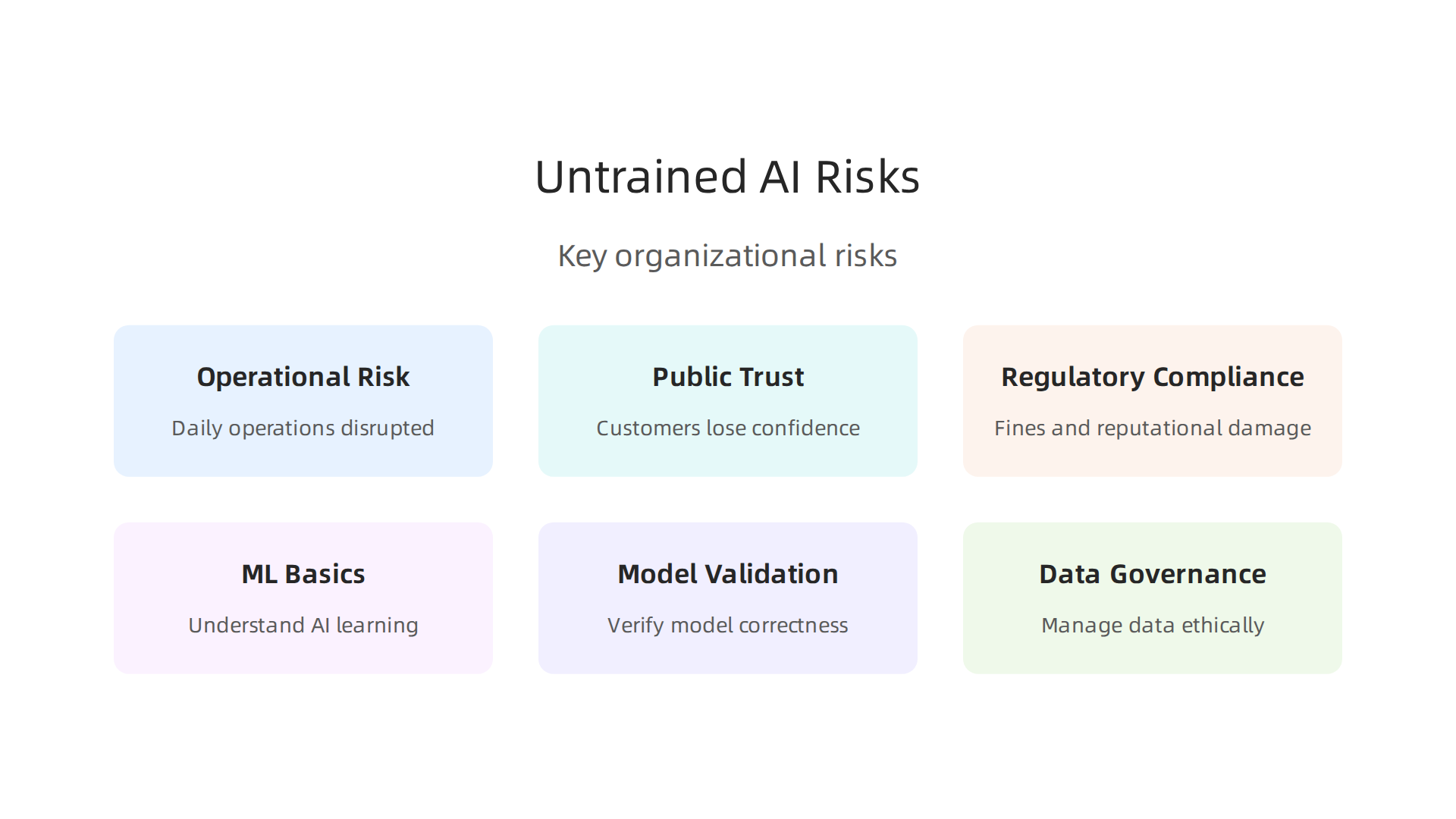
These include operational risk, meaning their daily work could stop or go wrong. There is also a big risk to public trust. If people cannot trust that an organization is using AI responsibly, they might stop doing business with them. And finally, there's the danger of not following the rules, which is called regulatory compliance. Breaches due to a lack of skills can lead to serious fines and damage. For example, a 2025 report showed that the global cybersecurity talent gap was about 4.5 million unfilled jobs, with many companies reporting security problems because of this shortage World Journal of Innovation and Modern Technology report.
This shows why workforce development is so important.

Getting the right education and certifications, like becoming ISC2 Certified in Cybersecurity, helps build a skilled workforce ready to face these challenges. This training helps secure enterprise security across all areas, including important cloud certification specializations. It is vital to prepare teams to manage the new cybersecurity threats to AI systems in 2026.
How AI reshapes cybersecurity roles and responsibilities
With AI becoming a big part of everything, what cybersecurity teams do is changing a lot. It is not just about keeping computers safe from old threats anymore. Now, security experts must also watch over the AI itself. This means adding new tasks to existing security jobs.
For example, cybersecurity teams now need to do "model validation." This means checking if AI models are working correctly and not making mistakes that could be used by bad actors. They also focus on "data provenance," which is about knowing exactly where the data used to train AI comes from. This is super important because if the data is bad or biased, the AI could make wrong decisions, putting enterprise security at risk. Another new task is watching for "synthetic drift," where AI starts to make up information or changes facts over time. To understand more about keeping AI trustworthy, it's helpful to learn about overcoming synthetic drift.
These new challenges mean that traditional cybersecurity skills, or a strong cyber background, are not enough. A 2026 report called the Global Cybersecurity Outlook 2026 talks about how roles are shifting. We are seeing new job titles emerge, like "AI security engineer," who focuses on protecting AI systems from being attacked, and "data integrity officer," who makes sure all the data used by AI is accurate and trustworthy. These roles require a deep understanding of both cybersecurity and how AI systems work. It is a big change for many existing positions as well. For instance, a regular data analyst might now need to know more about what a data analyst does in 2026 specifically for AI data.
The old way of securing a company is giving way to a new, more complex method. People in cybersecurity now have to think about how AI could be tricked, how its data could be messed with, and how to keep it honest. It's a whole new ball game, and the need for skilled professionals who can handle these mastering cybersecurity threats to AI systems in 2026 is growing fast.
The shift in cybersecurity roles means that people need a new mix of skills.

It is not enough to just have a strong cyber background. To keep companies safe in 2026, cybersecurity workers must also understand how AI works. This blend of old and new skills is key for protecting enterprise security.
Here are the important skills:
Technical Know-How
These are the hands-on skills needed to work with AI and cybersecurity:
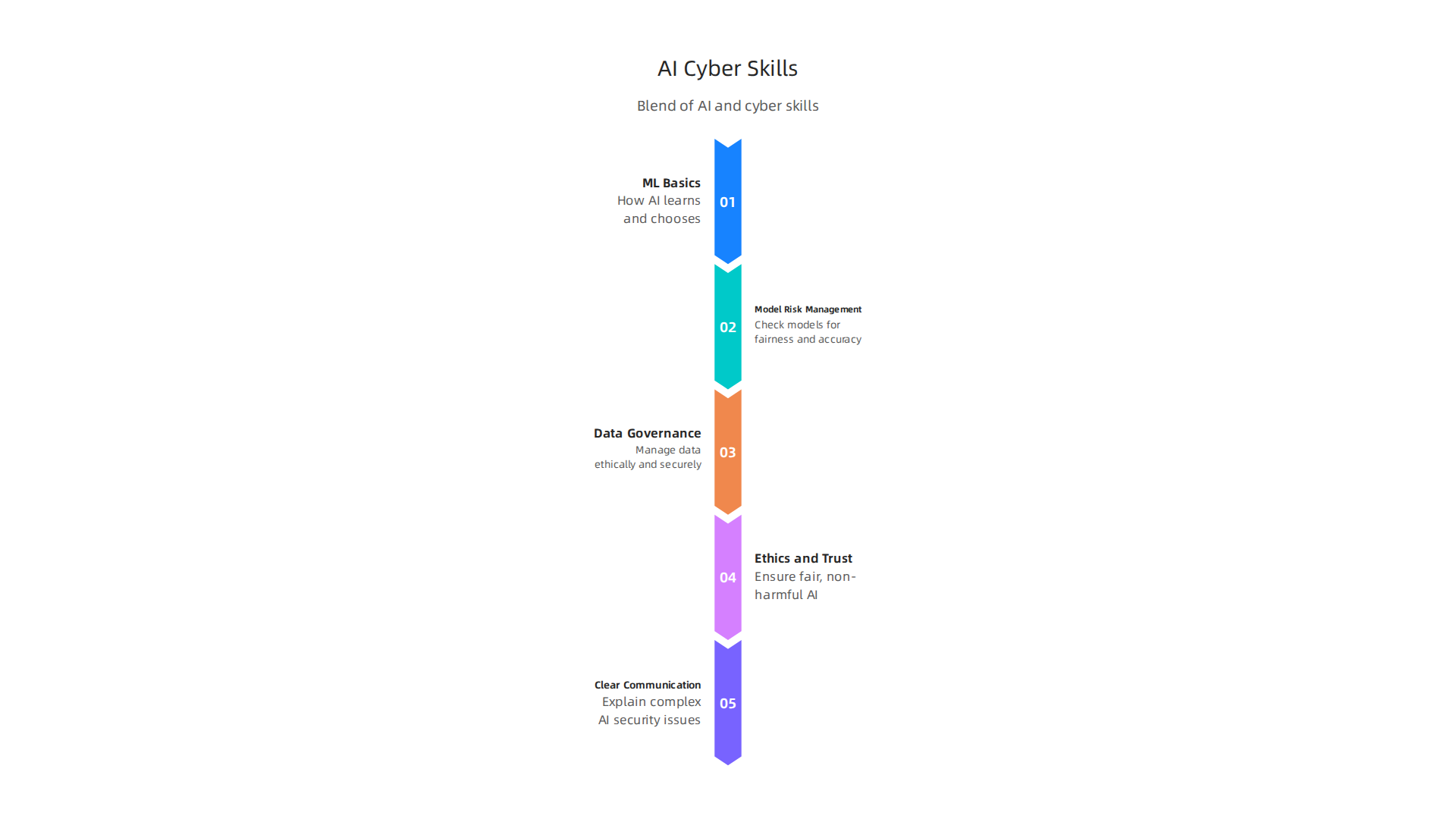
- Machine Learning (ML) Basics: Workers need to know how AI learns and makes choices. This helps them spot if an AI system is acting strangely or could be attacked. Learning how to design AI machine learning courses for trustworthy enterprise AI is a great step for many.
- Model Risk Management: This means checking AI models to make sure they are fair, accurate, and do not have hidden problems that could be dangerous. It is about making sure the AI does what it is supposed to do, every time.
- Data Governance: Knowing how to manage data ethically and securely is crucial. Since AI learns from data, making sure that data is good and protected is a top job. This includes understanding how to master data annotation to build trustworthy AI.
Human-Centered Skills
Cybersecurity is not just about computers. It is also about people:
- Ethics and Trust: AI can make big decisions, so it is important that these decisions are fair and do not cause harm. Cybersecurity pros need to think about the right and wrong ways to use AI, making sure it serves human good. This focus on values is part of a larger push for a trust-first AI strategy.
- Clear Communication: Explaining complex AI security issues to people who are not tech experts is a big skill. Leaders need to understand the risks and solutions clearly to make good choices for the company.
Building the Right Team
Companies can get these skills in two main ways: by hiring new people or by training their current staff. The cybersecurity world has a big need for skilled workers, with reports showing millions of job openings globally in 2025 according to an ISC2 Cybersecurity Workforce Study.
For those new to the field, getting an isc2 certified in cybersecurity credential can be a great starting point. This certification helps show that someone has a solid understanding of basic cyber safety rules. It covers key areas like security principles and knowing about threats, as explained in the Certified in Cybersecurity Exam Outline. For those already working in cybersecurity, getting specialized training or a cloud certification can help them move into these new AI machine learning jobs. It is all about making sure the workforce can handle the new digital challenges safely.
Certifications and Training Pathways: Role of Professional Credentials (Including ISC2)
To help workers get these new skills and show they are ready, many turn to professional certifications and training. These special papers prove that someone knows certain things or can do certain tasks. There are different kinds of these credentials, and each one tells employers something important.
Types of Certifications
In 2026, you'll find a few main types of helpful certifications:
- Vendor-Neutral Certifications: These show skills that work across many different computer systems and software, not just one brand. A great example for beginners is the Certified in Cybersecurity (CC) credential. This type of certification is a good starting point for anyone wanting to build a strong
cyber background. Other well-known vendor-neutral choices are also available, often costing a few hundred dollars. - Vendor-Specific Certifications: These focus on learning how to use specific company products, like Microsoft Azure, Amazon Web Services (AWS), or Google Cloud. Getting a
cloud certificationfrom one of these companies shows you can protect data and systems in their cloud environment. This is super important forenterprise securityas more companies move their work to the cloud. - AI Security Certifications: As AI becomes bigger, special certifications for AI security are also growing. These teach people how to protect AI systems from attacks and how to use AI safely. Some courses, like the Certified AI Security Expert, help people learn to build and defend AI apps, going beyond just typical internet attacks. Others, like the ones from SANS Institute and GIAC, offer deep dives into offensive AI and how to keep AI models safe. You can find many of the best AI security certifications for 2026 listed online.
What These Papers Tell Employers
When someone earns a certification, it signals a few key things to companies:
- Proof of Skill: It shows that the person has learned specific topics and passed tests. This is a quick way for employers to see that someone has the right knowledge for certain
ai machine learning jobsor other cybersecurity roles. - Commitment to Learning: Getting a certification takes effort and dedication. It tells an employer that the person is serious about their career and willing to keep learning new things.
- Ready for Action: For new hires, a certification like
isc2 certified in cybersecuritymeans they understand the basics and can hit the ground running. For current staff, it shows they've updated their skills to meet new threats, like those from AI.
Fitting Certifications into Company Training
Companies are using these certifications as a roadmap to train their teams. For example, the isc2 certified in cybersecurity is often the first step for new team members. Then, they might move on to more advanced certifications in areas like cloud security or AI ethics. This helps companies make sure their whole enterprise security team has a solid cyber background and can handle the latest challenges. It also makes sure their employees have skills for upcoming ai machine learning jobs. Learning about the best cyber security certifications for 2026 can help a company plan its training pathway.
The need for strong cyber background and skills for new ai machine learning jobs goes beyond just earning a paper. Companies also need to make sure their training teaches the right lessons. This means building a learning path that focuses on doing things the right way, especially when working with data.
Teaching Ethical Data Use
When we talk about AI, how data is used is super important. A good training program should teach people how to get data in a fair and open way. Here are some key parts of such a program:
- Finding Data Ethically: This means understanding where data comes from. Is it public? Is it private? Workers learn to find data that hasn't been changed or used wrongly. They also learn to spot when data might be biased or unfair.
- Getting Permission for Data: Just like we ask for permission to use someone's photo, we need permission for data. Training should cover how to get clear consent from people if their private information is used. This helps build trust and makes sure
enterprise securityteams respect privacy rules. - Stopping "Synthetic Drift": This is a fancy way to say that data can become less true over time as AI systems use it and pass it around. Courses should teach how to keep data fresh and real, so AI models don't start making up wrong answers or losing their connection to actual human behavior. You can learn more about how to overcome synthetic drift to build trustworthy AI.
For example, an ISC2 AI Security Certificate or similar programs might include these topics, helping people understand how to keep AI systems safe and ethical.
Best Ways to Learn These Skills
It's not enough to just read about these topics. People need to practice them. Here are some good ways to teach ethical AI security:
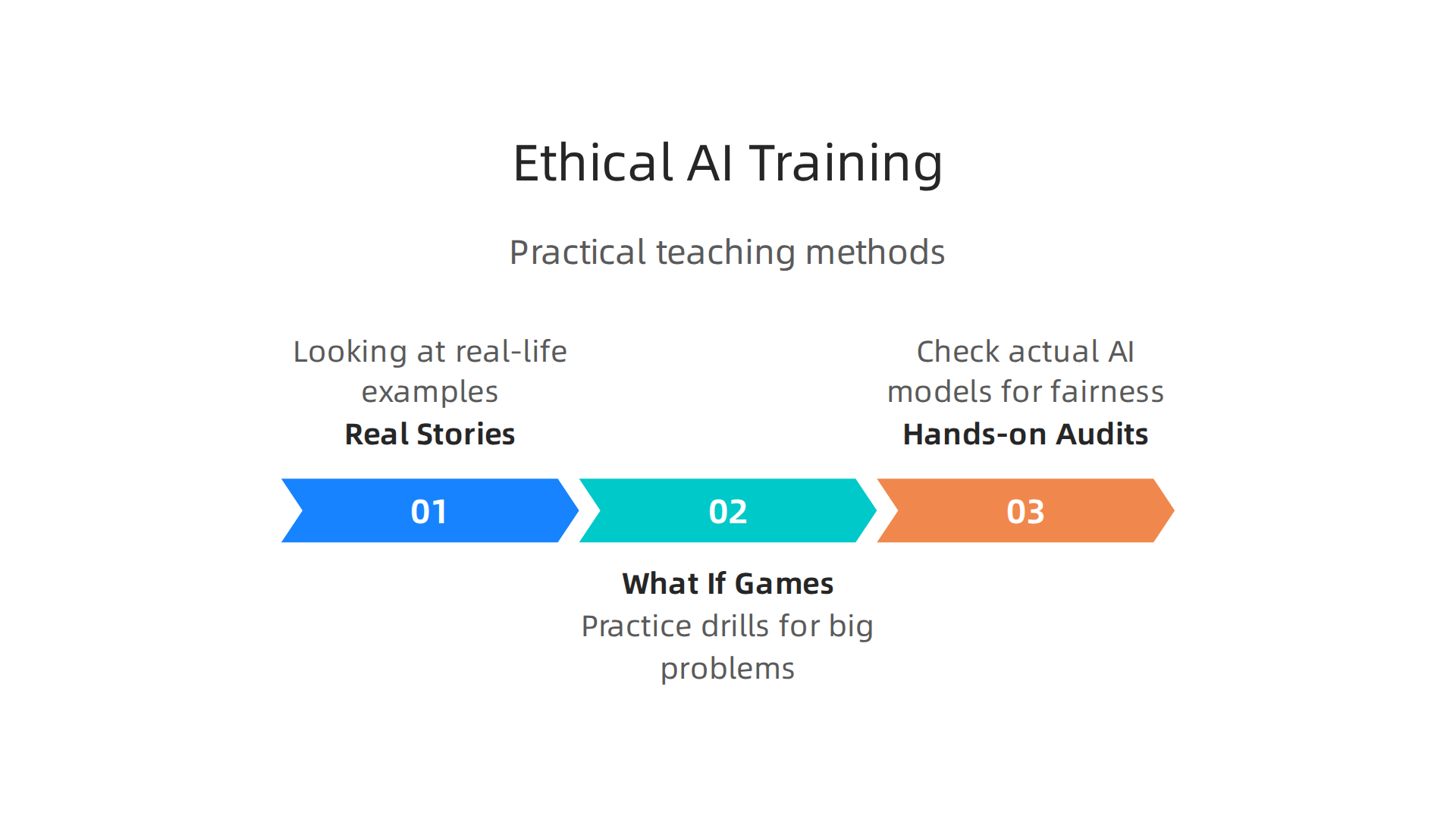
- Learning with Real Stories: Using "case-based learning" means looking at real-life examples of AI projects that went well or went wrong. Students can discuss what happened and how to make better choices next time. This helps them see how ethical rules apply in the real world.
- "What If" Games (Tabletop Exercises): These are like practice drills. Teams pretend a big problem has happened, like a data breach or an AI making a bad decision. They talk through how they would fix it. This helps them think fast and make smart choices under pressure, improving their
cyber backgroundin tough situations. - Hands-on AI Audits: Students get to look at actual AI models and check them for fairness, security, and ethical data use. They learn to spot problems and fix them. This "hands-on" work is very important for jobs in
ai machine learning jobsbecause it gives them real experience.
By combining the right topics with smart teaching methods, companies can build a truly strong cyber background for their teams, ensuring they are ready for all the challenges of AI security in 2026. This focus on ethics and data integrity is crucial for making sure AI helps everyone.
Hiring, upskilling, and retention strategies for enterprises, agencies, and non-profits
After learning how to build a strong cyber background for AI security, the next big step for organizations is making sure they can find and keep talented people. In 2026, many companies are still looking for workers with the right skills for ai machine learning jobs. This challenge means that businesses, government groups, and non-profits need smart ways to hire new staff, teach their current teams new skills, and keep good people from leaving.
Smart Ways to Hire New Talent
Finding new people for enterprise security roles or ai machine learning jobs isn't just about looking at a resume. It's about finding out what people can actually do.
- Interviews Based on Skills: Instead of asking general questions, companies can ask about how someone would solve a real problem. This is called a competency-based interview. It helps show if a person has the skills needed, not just if they can talk about them.
- Testing Skills: Sometimes, a short test or exercise can show what a person knows. These skills assessments are a direct way to see if someone has the
cyber backgroundfor the job. - Apprentice Programs: Many organizations are starting programs where people learn on the job. These "apprenticeship-to-hire" paths let new workers gain real-world experience. It's a great way to build a talent pipeline, especially for entry-level roles, as some reports suggest focusing on building this kind of talent pool to address skill gaps in cybersecurity SANS Research: The Cybersecurity Talent Shortage .... If you're looking to define key skills for these positions, consider exploring AI engineer roles defined key skills ethics and team structure for 2026.
Helping Your Team Learn More
It's also important to help current employees grow their skills. This is known as upskilling.
- Company Learning Centers: Some big companies create their own "internal academies." These are like schools inside the company where employees can take special courses to learn new things.
- Moving Around to Learn: "Rotational programs" let staff work in different parts of the company for a while. This helps them learn new skills and understand how different teams work together.
- Working with Schools: Partnering with colleges or training centers can offer special classes or programs for employees. This might include getting an isc2 certified in cybersecurity credential or a new
cloud certification. Over 64% of organizations use certifications to check cybersecurity skills, highlighting their importance in 2026 Cybersecurity Workforce Study Reports. To find out more, read about the best cyber security certifications for 2026 a data driven guide.
Keeping Good People
Once you have skilled people, you want to keep them. It turns out that offering chances to learn and grow is a huge part of keeping staff happy. Reports show that nearly half of all organizations say not having enough training and upskilling can make people leave their jobs 2026 Cybersecurity Skills Gap - Fortinet. By investing in these hiring and upskilling strategies, organizations can build a strong, loyal team ready to take on the future of AI.
Even with a skilled team ready to handle ai machine learning jobs, keeping AI systems safe in security operations needs clear plans and special tools. It's not enough to just have people; they need to know exactly how to act when AI behaves unexpectedly.
How to Keep AI Models Safe Every Day
For enterprise security, making sure AI works correctly all the time means watching it closely. This is called continuous model monitoring. Think of it like a constant health check for your AI.
- Continuous Model Monitoring: AI models can sometimes "drift" or start making bad decisions because the data they see changes over time. Security teams need to watch for these changes. If an AI system meant to spot threats starts missing them, or flags too many normal things as threats, that's a problem. Regular checks help catch these issues fast, so the
cyber backgroundof the team becomes super important. - Incident Response for Model Failures: What happens when an AI model fails or gets tricked? Organizations need clear "playbooks" or Standard Operating Procedures (SOPs). These are like step-by-step guides that tell security staff what to do. This might include taking the AI offline, checking its data, or bringing in human experts to review the situation. Understanding how to protect AI systems with strong models helps respond quickly to these failures. Learn more about how to do this in How the CIA Triad cyber security model protects AI systems in 2026.
- Integrating AI Risk into SOC Workflows: Security Operations Centers (SOCs) are the heart of
enterprise security. They need to know how to spot AI-specific risks. This means adding AI system alerts and monitoring into their daily work. If an AI defense system flags something, the SOC needs to know if it's a real threat or an AI hiccup.
Tools to Help Keep AI Safe
To make AI safety work, teams rely on special software tools. These tools help them understand, track, and watch AI systems.
- Explainability Tools: Sometimes, AI makes a decision, but it's not clear why. Explainability tools help unpack the "black box" of AI, showing how it reached an answer. This is very important for security teams to trust the AI and fix problems when it makes mistakes.
- Data Lineage: AI models are built on data. Data lineage tools track where all that data came from and how it changed. If there's an issue with the AI, these tools can help trace it back to a problem in the data.
- Monitoring Dashboards: These are like control panels that show the real-time health and activity of AI systems. They give security teams quick alerts if something is wrong. Many of these tools are
cloud certificationready, meaning they work well with cloud-based AI. - Evaluating Tools: When picking tools, teams should look for ones that fit their specific needs and make it easier to build trust in their AI. To understand how to choose the right tools, check out how to evaluate AI tools with a framework for ethical data and trust. People working in these
ai machine learning jobsoften need a strongcyber background, and getting an ISC2 Certified in Cybersecurity credential is a great way to show that you have the basic skills needed for these tasks. Effective tooling, like AI-powered security solutions combat synthetic drift and build trust, helps security teams defend against new threats that AI might bring.
Having the right tools is a great start, but how do we know they are truly making a difference? The next big step for enterprise security is to measure how well these AI safety plans and tools work. This involves setting up clear goals, checking them often, and keeping everyone accountable.
Measuring Impact: KPIs, Audits, Governance and Rebuilding Trust
To make sure AI systems are safe and trusted, organizations need to look at key numbers and follow strict rules. This means using Key Performance Indicators (KPIs), doing regular checks called audits, and having good governance in place. All these steps help to build and keep trust in AI.
Setting Up Smart Goals with KPIs
KPIs are like scorecards that show how well AI security measures are doing. For example, instead of just saying "we want safer AI," companies should track specific things. This could mean counting how quickly new threats are found by AI, how many false alarms the AI gives, or how fast problems found in audits are fixed. Experts suggest a few core KPIs for measuring how well AI governance works, such as the number of control drift incidents and the time it takes to fix audit findings How to measure AI governance compliance: KPIs, metrics....
Tracking these numbers helps teams see if their training for ai machine learning jobs is working. For instance, if staff with an isc2 certified in cybersecurity credential show better incident response times, that tells you the certification is valuable. It also tells you if new security tools or changes in how the team works are actually making things better. Another important KPI is how many AI projects follow the approved rules or how often top leaders review AI safety plans AI Governance Metrics Every CIO & CISO Should Track.
Rules and Regular Checks: Governance and Audits
Good AI governance means having clear rules and people responsible for following them. Think of it like a roadmap for safe AI use. Many organizations are setting up special groups or councils that bring together different experts to guide AI use. These groups help make sure everyone understands the risks and benefits of AI. They also check that AI follows ethical standards and company values. Global policies and frameworks, like the NIST AI Risk Management Framework, help organizations define these governance structures and manage AI risks throughout their entire lifespan AI Governance & Risk Readiness 2026: EU AI Act & Global Policy.
Regular audits are also key. These are like independent checks to make sure the AI systems and the people managing them are doing what they should. An AI auditing framework, like the one from The IIA, helps internal auditors find risks and control them The IIA's Artificial Intelligence Auditing Framework. This helps everyone trust that the AI is fair, secure, and works as expected. Using frameworks like these helps show that an organization is serious about enterprise security and about protecting data, especially in cloud certification settings.
The goal is to rebuild and maintain trust. When people know that AI systems are checked often, have clear rules, and are managed by skilled professionals with a strong cyber background, they can feel more confident about using them. It helps to fight against misinformation and ensures AI truly helps people. To deepen your understanding of how ethical data is foundational to AI trustworthiness, explore how building trustworthy AI combats synthetic drift with ethical data.
Summary
This article explains why preparing the cybersecurity workforce for AI is now essential: AI can strengthen defenses but also magnify risks when teams lack AI knowledge, ethics training, and practical skills. It covers how roles and responsibilities are shifting—new jobs like AI security engineer and data integrity officer—and the technical and human-centered skills these roles require, including ML basics, model risk management, data governance, ethics, and clear communication. The piece outlines certification and training pathways (vendor-neutral, vendor-specific, and AI security credentials) and shows how organizations can hire, upskill, and retain talent through apprenticeships, internal academies, and partnerships. It explains day-to-day practices for model safety—continuous monitoring, incident playbooks, and SOC integration—and the tooling needed for explainability, data lineage, and dashboards. Finally, it shows how to measure impact with KPIs, audits, and governance to rebuild and maintain trust in enterprise AI systems.