Home


Menu

Close

Google Analytics Alternatives for Enterprise Data Control and BI Trust
Published:
July 28, 2026
Why rethinking Google Analytics matters for enterprise BI
In 2026, many big companies still lean on one main tool to understand their website visitors: Google Analytics. While it has been a popular choice, relying on a single web analytics provider can create real problems for large organizations. These issues are about privacy, who controls your data, and whether customers can truly trust your business.

Actually, data privacy rules are changing fast around the world.
In 2026, companies need to deal with many new state privacy laws in the US, plus stronger rules like GDPR. There isn't one simple federal rule yet, so it can be tricky for businesses to keep up Data Privacy in 2026: CRM, AI & Compliance Guide. When your business uses a service like Google Analytics, you are giving your data to a third party. This can lead to risks if that vendor does not have strong privacy practices Data Privacy Trends & Risk Report 2026. Keeping an eye on all your vendors is key for data privacy Why Vendor Management Matters for Data Privacy.
Another big concern is data sovereignty. This means making sure your data stays in certain countries or regions, which is often a legal requirement. When you rely on a single, global provider, it can be hard to truly control where your data lives and who can access it Data Sovereignty Report. This lack of control and transparency can hurt trust, not just with your customers but also with regulators. For big companies using business intelligence software to make smart choices, having full control over their data is super important. There's a growing understanding that building trust in business intelligence is vital for success, otherwise it becomes a big problem that slows things down why trust in business intelligence became the biggest bottleneck.
This article will help you explore better google analytics alternatives. We will give you a clear plan to find tools that put privacy first. You will learn about options where you can host your own data or use open-source programs. We will also show how these tools can work with other systems that collect customer data. By the end, you'll have a helpful checklist to guide a smooth move for your company. This shift can open up new opportunities in business analytics jobs and even help those looking for a data analytics certification. Staying ahead in data privacy and control is part of a larger plan to build a Trust-First AI Strategy Becomes Business Imperative in 2026.
Why enterprises need alternatives to Google Analytics for BI
For big companies, simply using Google Analytics isn't enough anymore. They have much bigger needs than a small website might. Things like keeping tight control over their data, making sure they can check every step of how data is handled (auditability), and following many different privacy rules (compliance regimes) are super important. This includes making sure data stays in certain places (data residency) and managing who agrees to share their data (consent management).
When a big company uses one main tool like Google Analytics for its important business intelligence software, it faces some real dangers.

One big risk is getting "locked in" with one vendor. This means it becomes very hard and expensive to switch to another service later on. When you're locked in, that vendor might not give you full access to all your raw data. This can be a huge problem because raw, untouched data is key for really understanding what's going on and for training smart AI models. If the data isn't complete or trustworthy, the AI models won't make good decisions. Actually, checking on how well your vendors handle data is a critical task in 2026
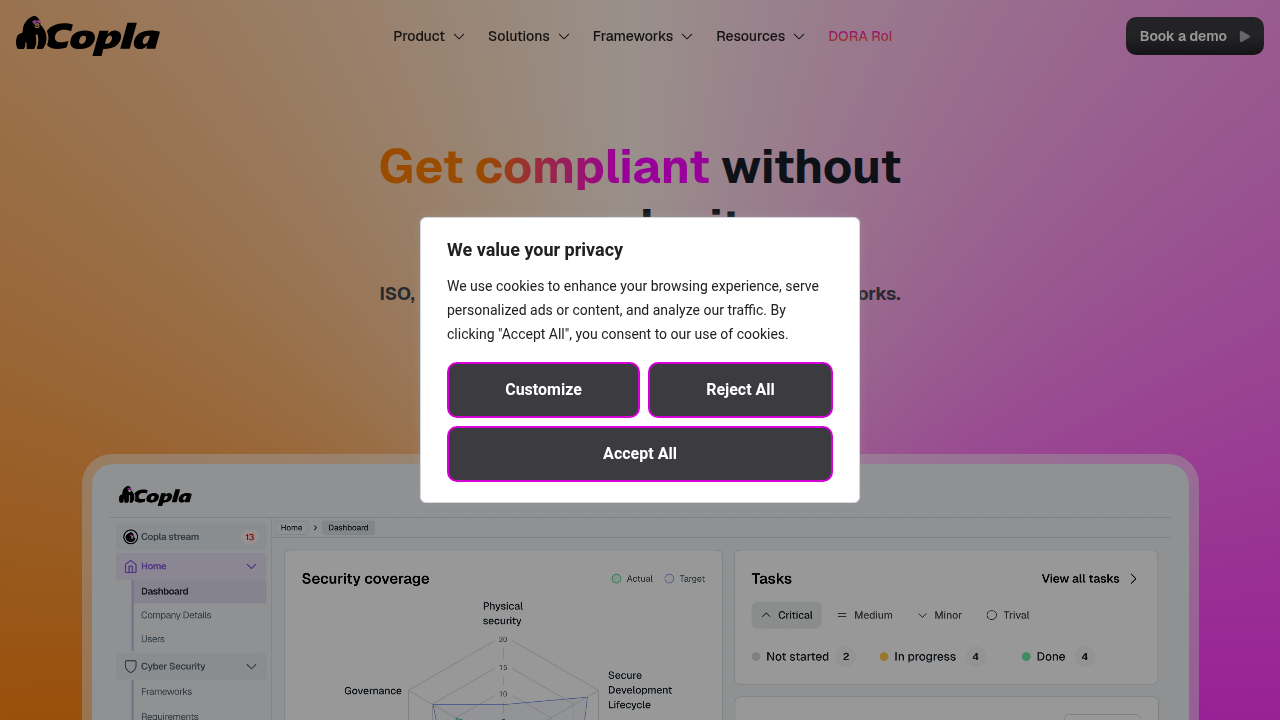
8 critical vendor risk types to monitor in 2026 - Copla.
Another big issue for large organizations is feeding reliable signals into their AI systems. AI models need very clean and accurate data to learn and perform well. If your main analytics tool doesn't give you direct, raw access or if the data has been changed in some way, it can mess up your AI. This is especially true when dealing with third-party vendors and their AI risks Third-Party AI Risk and Supply Chain Transparency Guide. This can hurt the trust people have in your AI systems and the decisions they help make.
Rethinking your analytics is not just about finding google analytics alternatives. It's about building a strong foundation for all your data-driven choices. This is vital for roles in data analyst jobs in 2026 and for getting a data analytics certification because it ensures the data used is ethical and reliable. For instance, strong data protection services solve the AI trust crisis by making sure data is handled correctly. Moving to better options helps you keep control, meet strict rules, and build more trustworthy AI and business intelligence software. It also helps companies transform business intelligence with ethical AI.
Choosing a good analytics platform is a big step for companies, especially when looking for better options than Google Analytics. It's about finding tools that put privacy first. This means they are built from the ground up to protect user data, not just adding privacy features later on What is Privacy by Design?. This approach is called "Privacy by Design" and it helps businesses collect only the data they truly need Privacy by design in practice: How "just enough" data beats ....
When you're looking for new google analytics alternatives, here are some important things to watch for:
Core Capabilities
- First-Party Measurement: This means the analytics tool collects data directly from your website or app. It doesn't rely on third parties. This gives you more control over your data and how it's handled. It also helps with better
business intelligence software. - Differential Privacy Options: These tools use clever math tricks to hide individual user information. They add a little bit of "noise" to the data so you can still see overall trends without identifying anyone specific. This is great for keeping user privacy strong while still getting useful insights for
business analytics jobs. - Consent-Aware Tracking: A good privacy-first platform understands and respects user choices. It won't track someone unless they've clearly said it's okay. It works smoothly with your existing systems for managing user consent. This is a must-have in 2026.
- Minimal PII Collection: PII stands for Personally Identifiable Information, which is data that can be used to figure out who a person is. Privacy-first tools aim to collect as little of this as possible. They focus on gathering "just enough" data to answer your questions, not everything possible. They often avoid using long-lasting IDs that follow users around the internet The 5 Best Privacy-First Analytics Platforms - EscapeAnalytics.
Operational Requirements
- Ease of Integration with Consent Systems: Your new analytics tool should be easy to connect with your current consent management platform. This makes sure that user privacy choices are always respected across all your systems.
- Ability to Export Raw Event Streams: For big companies, getting full access to raw, untouched data is key. This raw data is super important for training advanced AI models and for deep analysis. It helps in building trustworthy AI because you know exactly where your data comes from and how it's structured.
- Clear Data Processing Agreements: Make sure the platform you choose has clear rules about how they will handle your data. These agreements should explain how your data is processed, stored, and protected. This transparency is crucial for your company's
data analytics certificationefforts and for trust. Learning how ethical data analysis builds trust in AI also becomes easier with clear agreements.
Picking the right privacy-first analytics solution means looking for tools that truly embed privacy into their core design. This helps you get good business insights while also protecting your users' trust and meeting strict privacy laws.
Choosing a good analytics platform is a big step for companies, especially when looking for better options than Google Analytics. It's about finding tools that put privacy first. This means they are built from the ground up to protect user data, not just adding privacy features later on. This approach is called "Privacy by Design" and it helps businesses collect only the data they truly need.
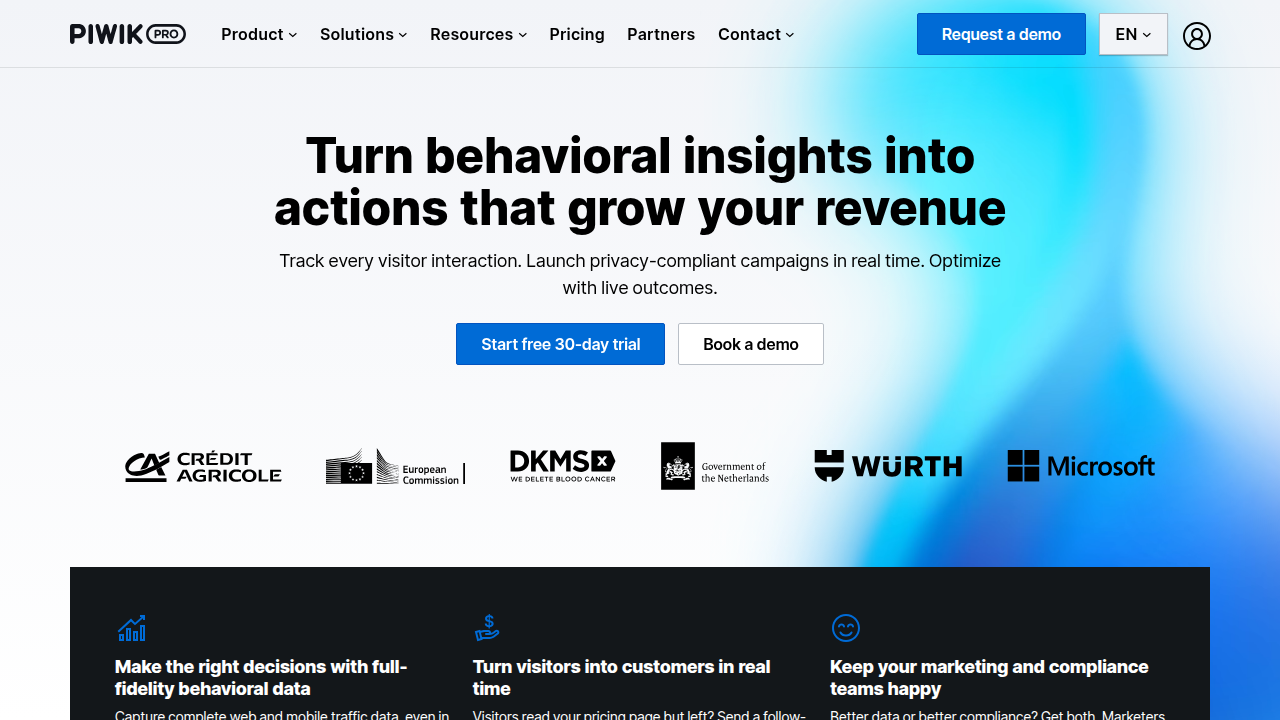
When you're looking for new google analytics alternatives, here are some important things to watch for:
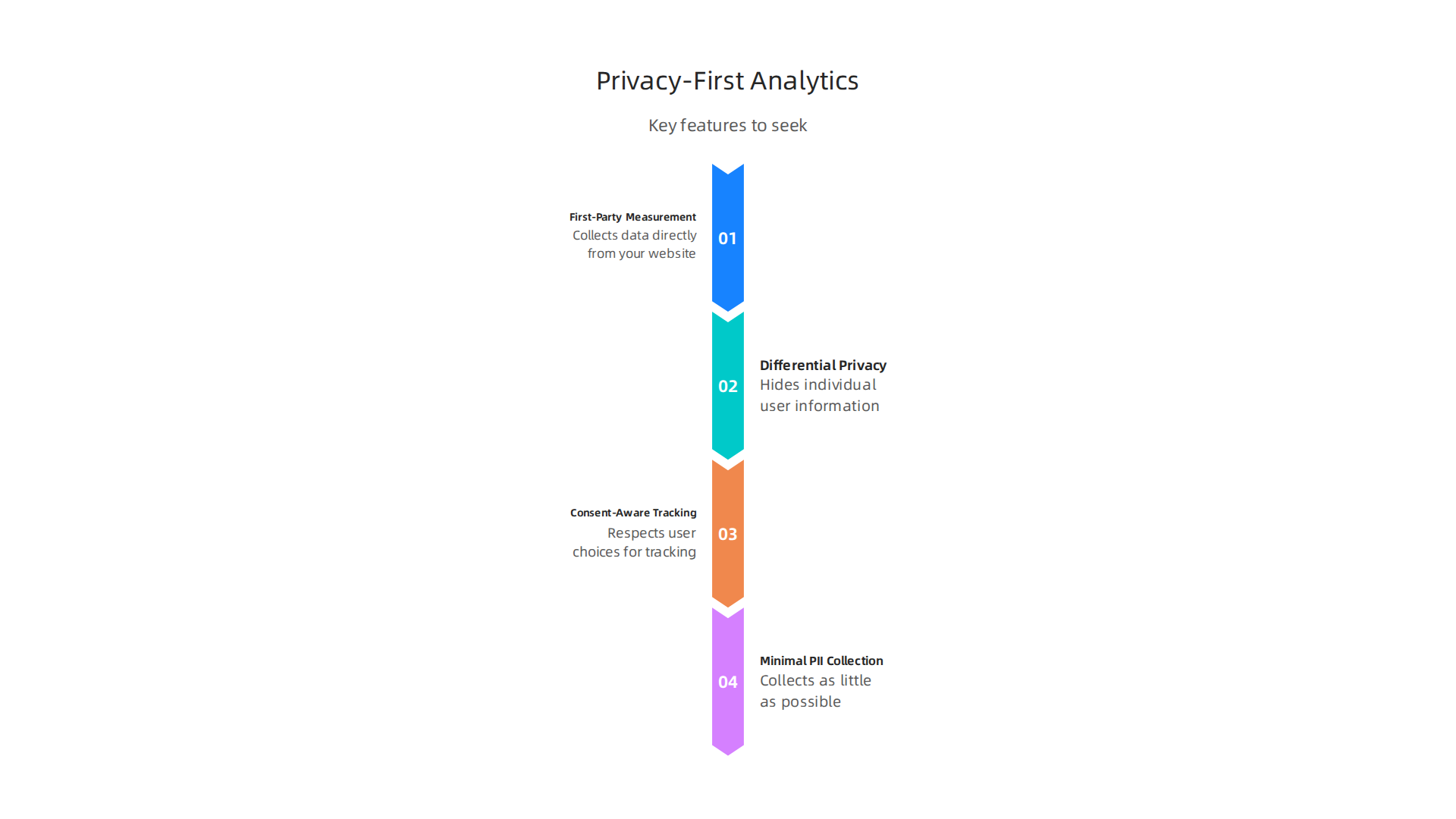
Core Capabilities
- First-Party Measurement: This means the analytics tool collects data directly from your website or app. It doesn't rely on third parties. This gives you more control over your data and how it's handled. It also helps with better business intelligence software.
- Differential Privacy Options: These tools use clever math tricks to hide individual user information. They add a little bit of "noise" to the data so you can still see overall trends without identifying anyone specific. This is great for keeping user privacy strong while still getting useful insights for business analytics jobs.
- Consent-Aware Tracking: A good privacy-first platform understands and respects user choices. It won't track someone unless they've clearly said it's okay. It works smoothly with your existing systems for managing user consent. This is a must-have in 2026.
- Minimal PII Collection: PII stands for Personally Identifiable Information, which is data that can be used to figure out who a person is. Privacy-first tools aim to collect as little of this as possible. They focus on gathering "just enough" data to answer your questions, not everything possible. They often avoid using long-lasting IDs that follow users around the internet The 5 Best Privacy-First Analytics Platforms.
Operational Requirements
- Ease of Integration with Consent Systems: Your new analytics tool should be easy to connect with your current consent management platform. This makes sure that user privacy choices are always respected across all your systems.
- Ability to Export Raw Event Streams: For big companies, getting full access to raw, untouched data is key. This raw data is super important for training advanced AI models and for deep analysis. It helps in building trustworthy AI because you know exactly where your data comes from and how it's structured.
- Clear Data Processing Agreements: Make sure the platform you choose has clear rules about how they will handle your data. These agreements should explain how your data is processed, stored, and protected. This transparency is crucial for your company's
data analytics certificationefforts and for trust. Learning how ethical data analysis builds trust in AI also becomes easier with clear agreements.
Picking the right privacy-first analytics solution means looking for tools that truly embed privacy into their core design. This helps you get good business insights while also protecting your users' trust and meeting strict privacy laws.
Self-hosted and open-source analytics for control and compliance
Another way to have more control over your data and make sure it follows rules is to choose analytics tools that you "self-host" or that are "open-source." Instead of using a service where another company manages your data for you (like a Software as a Service, or SaaS model), you take charge.
Here's why many companies consider this path:
- You own your data completely. When you self-host, your data stays on your own servers. This means you have full ownership and can decide exactly where it lives and who can see it. This is a big deal for meeting privacy laws and for getting special insights for your business intelligence software.
- You can customize data rules. You get to decide how long you keep the data. Some businesses need to keep data for a very short time, while others need it for many years. With self-hosted tools, you set these rules yourself.
- You can check everything. You can look inside and see exactly how the data is handled and processed. This "auditing" ability builds more trust and helps with
data analytics certificationefforts, as you can show how you protect information. This is especially important for building trust in your data analysis, as explained in articles about how ethical data analysis builds trust in AI.
However, taking this path has its own set of responsibilities:
- More work for your team. Running your own analytics tool means your team will need to set it up, keep it updated, and fix any problems that come up.

This is called "operational overhead" and can add to the work for your business analytics jobs teams.
- Making sure it can handle lots of users. If your website or app gets a lot of visitors, you need to make sure your self-hosted system can handle all that data without slowing down. This is called "scalability."
- Keeping things running smoothly. You are responsible for all the maintenance. This includes regular updates, security checks, and making sure the system is always working. Tools like Plausible, Matomo, and Umami are popular open-source options that companies consider as google analytics alternatives, but they each have different demands for hosting and maintenance in 2026 Self-Hosted Web Analytics 2026.
For many large companies and government groups, having this much control and transparency is worth the extra effort. It ensures strong compliance and peace of mind when it comes to sensitive data.
Beyond simple analytics, some companies need a much deeper understanding of their customers. This is where Customer Data Platforms, or CDPs, come in. While traditional analytics tools like some google analytics alternatives tell you what is happening on your website or app, CDPs aim to tell you who is doing it and give you a full picture of each customer.
How CDPs are different from analytics tools
Imagine you have many pieces of information about a customer: their website visits, what they bought in your store, emails they opened, and interactions with your app. A regular analytics tool might see these as separate events. But a CDP brings all these bits of data together to build one complete story for each person. This special process is called identity resolution. It matches different identifiers, like email addresses or device IDs, to create a single, unified profile for every customer.
This unified profile is like a "golden record" that shows everything a customer has done with your brand. It means that instead of just seeing numbers, you get richer signals that help your business intelligence software work better. For example, you can see if a customer who looked at a product online later bought it in person. This complete view is very important for training advanced AI models, making sure they truly understand customer behavior. You can even see a clear explanation of Identity Resolution in a Customer Data Platform to grasp its full power.
When to choose a CDP vs. an analytics platform
Deciding between a CDP and a simpler analytics platform depends on what you need to do.
- Choose an analytics platform if: You mainly need to know about website traffic, how marketing campaigns are doing, or general trends. These tools are often simpler to set up and use, giving you basic insights into your digital presence. They're good for answering questions like "How many people visited my blog today?" or "Which ad brought the most clicks?"
- Choose a CDP if: Your business analytics jobs require a deep understanding of individual customers across many different places. A CDP is key for personalizing customer experiences, improving customer service, and running smart AI applications. It gives you a "single source of truth" about each person. This is especially true for large companies or government groups that need to manage lots of data for [data analytics certification] and strict privacy rules. With a CDP, you can ask questions like "What did this specific customer do before they made a big purchase?" or "How can we make their next experience even better?"
CDPs offer a powerful way to collect and connect customer data, moving beyond basic reports to offer deep insights for advanced uses in 2026. This makes them a strong choice when looking for comprehensive [google analytics alternatives] that support detailed customer journeys and ethical AI.
CDPs give us a clear picture of who our customers are. But to build AI that we can truly trust, we need to connect these CDPs with other data tools. This creates a full system where all the customer information works together, helping AI models make smarter, fairer choices. It's about more than just finding [google analytics alternatives]; it's about building a strong foundation for ethical AI.
Architectural patterns for trustworthy AI
Making AI trustworthy means carefully setting up how data flows and is stored.
Think of it like building a house; you need good plans and materials.
- Streaming Event Layers: This is like a constant river of information. As customers interact with your brand, their actions (like clicking a link or buying something) are sent right away. This real-time flow means AI always has the most current information. It helps make sure the data AI uses is fresh and true to what's happening now.
- Canonical Event Schemas: This just means having a standard way to describe all the different pieces of information. Imagine every worker in a factory using the same names for parts; it makes everything clearer. When all data follows the same rules, it's easier to put together and understand. This standard helps prevent "synthetic drift," where data gets changed or misunderstood as it moves through different systems. Building a solid data platform often involves careful planning, as outlined in a data migration checklist for 2026.
- Controlled Feature Stores: These are like special libraries where all the useful bits of customer data are kept, ready for AI to use. This store holds clean, accurate data points that help AI learn. It's also where steps are taken to keep data fair and unbiased, which is key for fighting synthetic drift and ensuring AI reflects real human values, not distorted digital noise. For organizations facing data quality challenges, ensuring ethical electronic data gathering and retrieval is crucial, as it's the only fix for the AI data crisis.
Together, these patterns help create a strong pipeline. This pipeline ensures that the data going into AI is high-quality, giving reliable insights for important [business analytics jobs].
Governance practices for human-centric goals
Even with good architecture, we need clear rules and practices to keep AI working towards human goals.

This is called governance, and it's super important for building trustworthy AI.
- Provenance Tracking: This means knowing where every piece of data comes from. It's like having a clear record of a product's journey, from raw materials to the finished item. If something looks off, we can trace it back to its source to fix the problem. This helps us ensure data is ethical and hasn't been changed in bad ways.
- Labeling Policies: These are rules for how data is tagged or categorized. It ensures that sensitive information is handled with care and that AI models learn from data that is properly labeled. This prevents biases from creeping into the AI. Having a strong data governance checklist is essential for this.
- Feedback Loops: This is a way for people to tell the AI system when it makes a mistake or gives a bad answer. It's like having a suggestion box that actually gets read and acted upon. This human feedback helps the AI learn and get better over time, always keeping it aligned with what people actually need and value. These practices are vital for any professional involved in [data analytics certification], as they underline the responsibility in working with AI.
By putting these architectural patterns and governance practices in place, businesses can make sure their AI systems are not only smart but also fair, safe, and truly helpful. This builds trust and makes sure AI works for us, not against us, especially as we aim to combat synthetic drift with ethical data.
Building trustworthy AI is a big goal. To reach it, businesses need clear steps for changing how they handle data and choose new tools. This means moving past older systems and picking modern, ethical solutions. Many companies in 2026 are looking for google analytics alternatives that fit with today's focus on privacy and responsible data use.
Evaluation checklist and migration roadmap for enterprise adoption
When you decide to find google analytics alternatives or other business intelligence software, you need a good plan. It's like shopping for a new car; you compare features before you buy. Here's a simple checklist to help businesses compare new tools and a roadmap for moving to them.
Checklist for comparing analytics alternatives
When looking at google analytics alternatives for your enterprise, think about these important points:
- Privacy and Data Rules: This is a top concern in 2026. How well does the tool protect user privacy? Does it follow rules like GDPR and CCPA? Look for tools that use "Privacy by Design" from the start, meaning privacy is built-in, not added later. Many modern tools offer cookie-less tracking that avoids storing identifiable user data, which is key for privacy. Also, consider how the vendor handles your data and if it complies with your country's data rules, known as data sovereignty.
- Data Access and Control: Can you easily get your data out of the system? Do you truly own your data, or is it locked into the vendor's platform?
- Easy Integration: Will the new tool work well with your other systems? Think about your customer data platforms (CDPs) and any other
business intelligence softwareyou already use. Smooth integration makes everything run better. - Cost: Look beyond just the price tag. Think about the total cost, including setting it up, training your team, and ongoing support.
- How it Fits Your Team: Is the new tool easy for your team to learn and use? Will it require a lot of new training or special
data analytics certification? A good fit means your team can use it effectively right away.
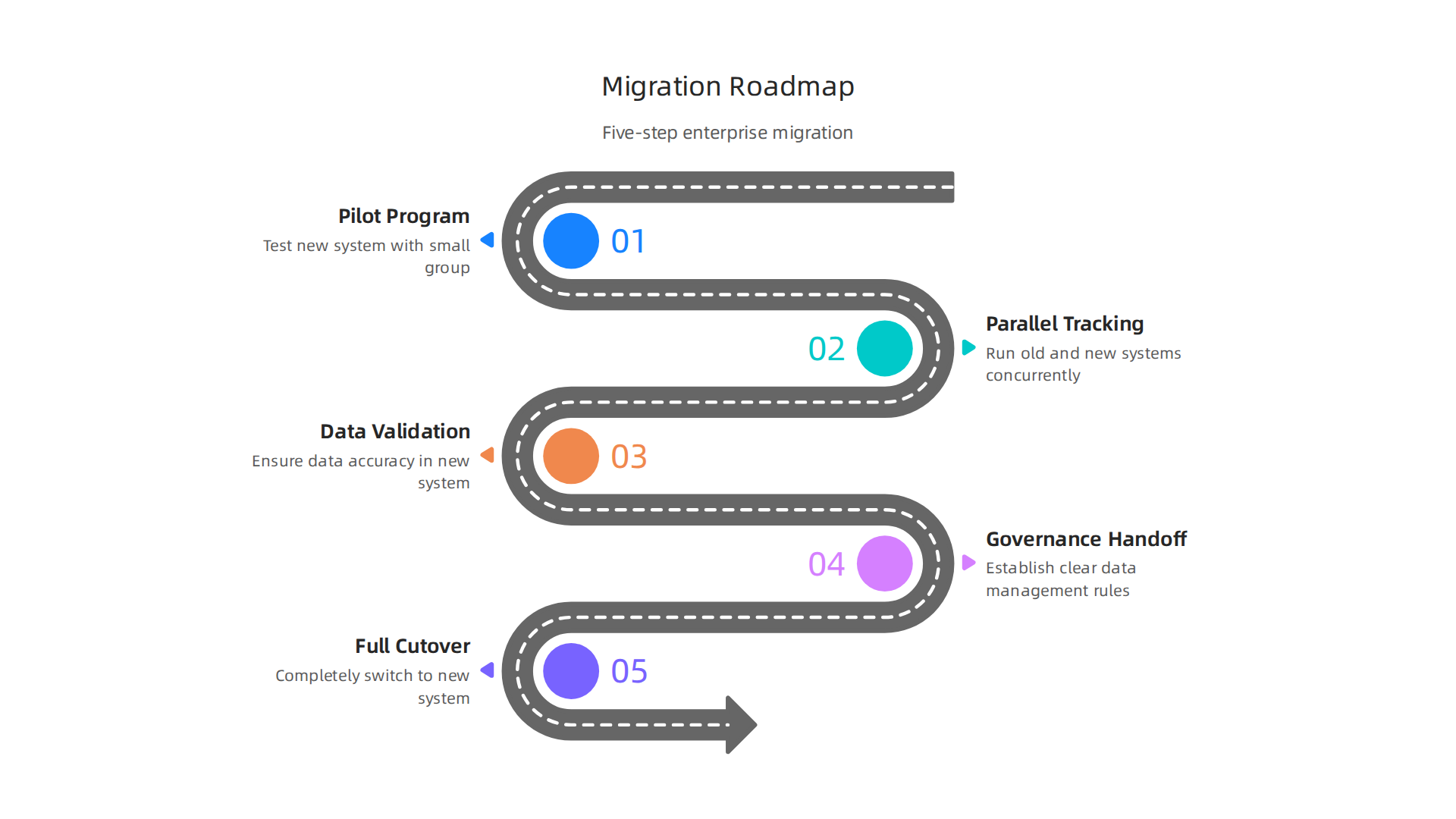
Migration roadmap: from pilot to cutover
Once you've picked the best google analytics alternatives, you need a step-by-step plan to move your data and switch systems.
- Pilot Program: Start small. Test the new analytics system with a small group or on a specific project. This helps you find and fix any problems without affecting your whole business. This stage helps validate data integrity, ensuring it's correct before a full move, as explained in reports on enterprise SharePoint migration strategies.
- Parallel Tracking: For a while, run both your old system (like Google Analytics) and the new system at the same time. This lets you compare results and make sure the new system is giving you accurate information.
- Data Validation: Before fully switching, make sure all your data has moved correctly and is accurate in the new system. You should test samples and compare data points to ensure nothing got lost or changed. A complete data migration checklist emphasizes checking data accuracy and functionality.
- Governance Handoff: Establish clear rules for how data will be managed in the new system. Who is responsible for what? How will data quality be maintained? This step is crucial and involves setting up a governance council, as highlighted in a governance migration readiness checklist.
- Full Cutover: Once you're sure everything is working perfectly, you can fully switch to the new system and stop using the old one.
Following these steps helps businesses smoothly adopt new analytics tools that are more ethical and privacy-focused, supporting smarter decision-making for future AI systems. To learn more about how ethical AI impacts your insights, consider reading about how Autoforecast Solutions transform business intelligence with ethical AI.
Summary
Enterprises that still rely on a single web analytics provider like Google Analytics face growing privacy, sovereignty and vendor-lock risks that can undermine business intelligence and AI trust. This article explains why large organizations should evaluate privacy-first analytics and consider self-hosted or open-source options that offer first-party measurement, consent-aware tracking, differential privacy, and raw event export. It compares when to use a traditional analytics platform versus a Customer Data Platform (CDP) for richer identity resolution, and outlines architectural patterns—streaming events, canonical schemas and feature stores—that support trustworthy AI. The piece also describes governance practices such as provenance tracking, labeling policies and human feedback loops, then gives a practical checklist and migration roadmap (pilot, parallel tracking, validation, governance handoff, cutover) to move safely. After reading, leaders and analytics teams will know what capabilities to require, how to reduce compliance and AI risks, and how to plan a controlled transition to better analytics for enterprise BI.
Related Blogs
No Similar Blogs found
