Home


Menu

Close

Evaluate AI Tools with a Framework for Ethical Data and Trust
Published:
July 24, 2026
Why choosing the right AI tools matters now
In 2026, artificial intelligence is everywhere. It helps us with many tasks, from finding information to writing code. We use smart tools every day. But as AI becomes more powerful, picking the right tools is super important. If we don't choose wisely, we can run into big problems.

One big problem is called the "AI bottleneck." This means AI needs lots of good, truthful information to learn from. However, getting this kind of ethical and private data is hard. A lot of AI is trained on information scraped from the internet, which might not always be true or fair. This lack of good data makes it tough for AI to be its best. Actually, many popular datasets used to train AI have problems with their licenses, meaning the data might not even be allowed for use, as found in some studies Popular AI Training Datasets Are Rife With Licensing Errors.

Another issue is "synthetic drift." Think of it like this: when information moves around on the internet, it can get changed or twisted. If AI keeps learning from this changed information, it starts to drift away from the real truth. This makes AI give answers that aren't quite right or even make things up. This problem of AI not being grounded in ethical data makes it hard to trust the AI's output. To learn more about this, check out how to tackle these issues in overcoming the data bottleneck and synthetic drift to build open future ai.
When AI learns from bad or twisted data, people stop trusting what it says or does. This is a big concern for everyone, especially for large companies and governments that use AI for important decisions. Imagine if an AI powered coding assistant or a data analysis toolpak gave you wrong information because of bad training. That would be a huge headache!
So, how do we fix this? We need a clear, reliable way to pick the best AI to use and make sure it is trustworthy. This article will show you a step-by-step plan. This plan helps big organizations and those who make rules to check and choose AI tools properly. Our goal is to make sure AI works well and that we can always trust its outputs.
To truly ensure AI works well and can be trusted, the first step is to set clear rules for picking AI tools. Think of these rules as your organization's core values made clear for AI.
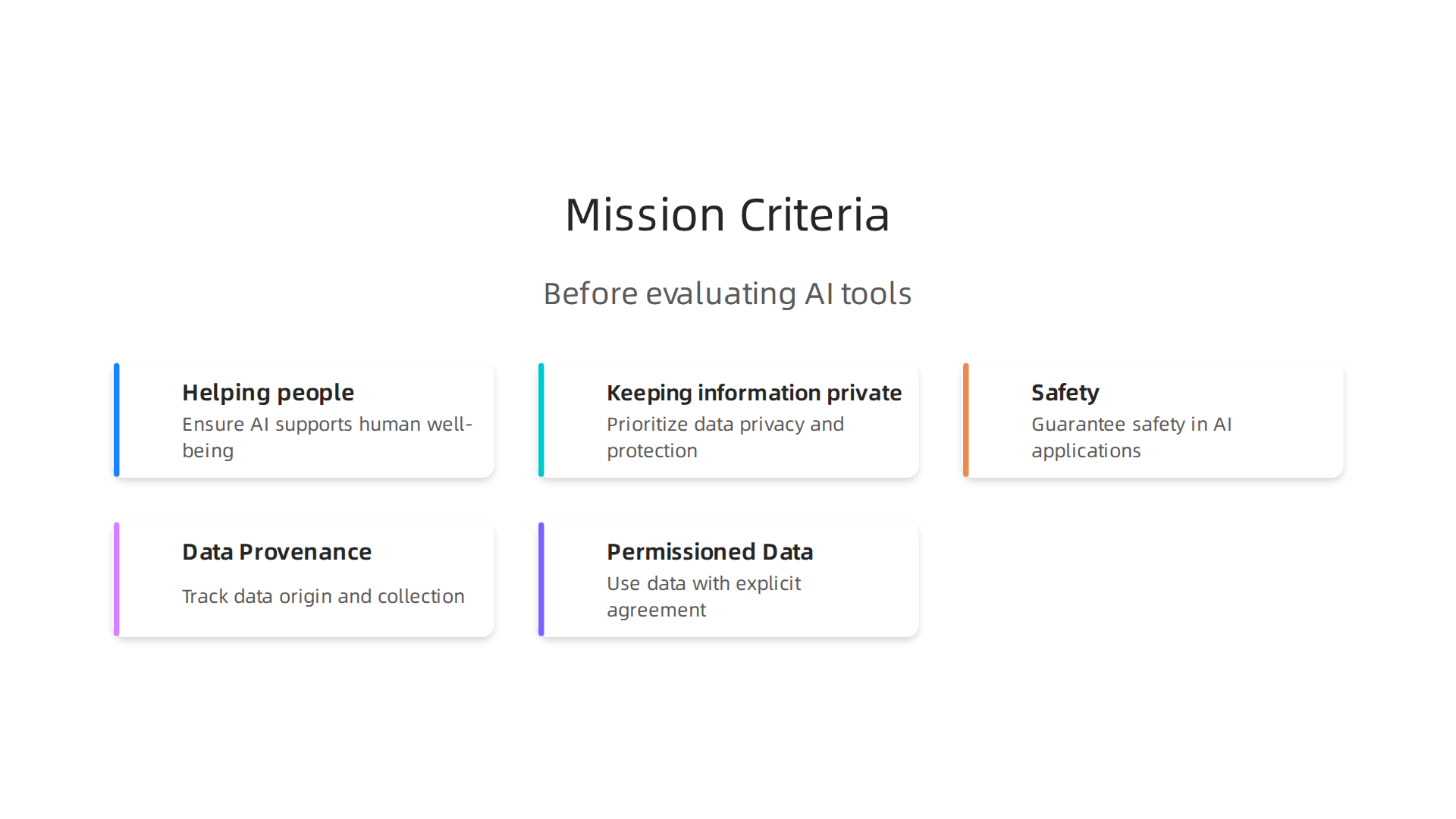
These values often include helping people thrive, keeping information private, and making sure everyone is safe. When you pick the best AI to use, these important values must guide your choices.
Instead of just looking at how fast or powerful an AI seems to be, it's more important to focus on how it handles its information. This means looking at where the data comes from and how it was collected. This is called data provenance, and it's like checking the history of the data used to train the AI. For example, the EU AI Act asks for clear records of where training data comes from EU AI Act Art.10 Data Provenance Logging: Tracking Training ....
This helps ensure that the information an AI learns from is good and ethical from the very start.
This careful checking is part of what we call data governance. It helps make sure that an AI powered coding assistant, an AI coding platform, or a smart data analysis toolpak has clear permissions for its data. This is known as a "permissioned data strategy." It means knowing for sure that the data was collected with agreement from the people it came from. This helps stop the AI from learning from bad or stolen information, which can lead to untrustworthy results.
When you choose an AI tool, whether it's for writing code, analyzing data, or even specialized computer security software, always ask about its data rules. Making sure the data used to train AI is handled with care and respect for privacy is far more important than just getting the fastest answer. If an AI doesn't have good data governance, its answers might not be true or fair. This focus on ethical data helps to build trustworthy AI that truly benefits everyone.
2) Categories of AI tools and when to choose each
After understanding the rules for good AI, it's time to look at the different kinds of AI tools out there. Not all AI is the same, and knowing the differences helps you pick the best AI to use for your specific needs. Each type of AI has its own strengths and weaknesses, especially when it comes to how much risk it carries and how it handles data.
Let's break down some main categories:
-
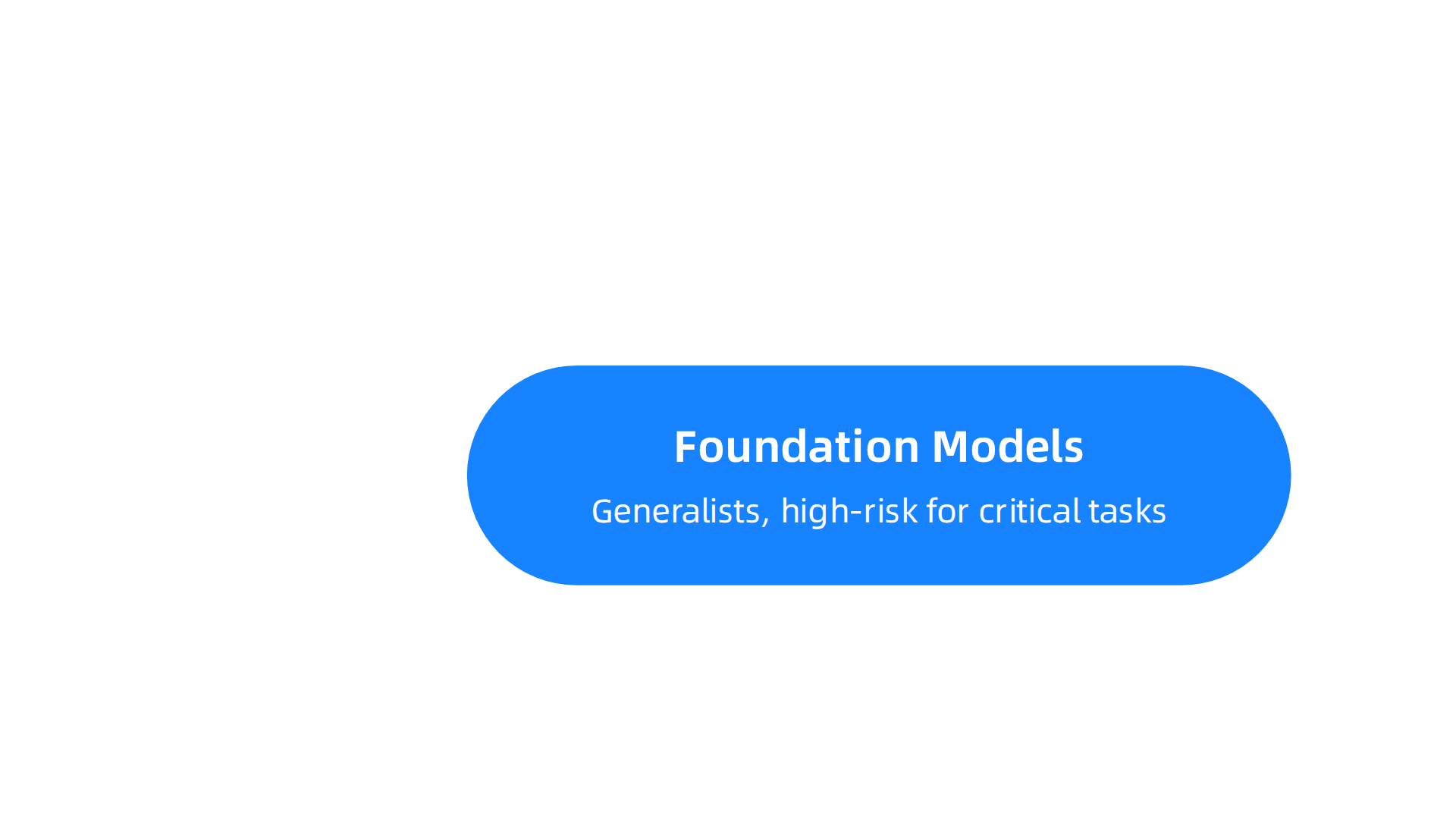
Foundation Models (like Large Language Models): These are huge AI models trained on massive amounts of data. They can do many different things, from writing stories to answering questions. Think of them as very smart generalists. Because they are so big and general, it can be hard to know exactly why they give certain answers. Using these for very important, high-risk tasks, like making big medical choices, needs extra care. However, for low-risk uses like brainstorming ideas or writing first drafts, they can be very helpful. The International AI Safety Report 2026 talks about managing risks with these powerful models.
-
Domain-Specific Large Language Models (LLMs): These are like foundation models, but they've been specially trained or "fine-tuned" for one specific area, like healthcare, law, or specific business operations. They might be smaller, but they're much better at tasks within their niche. An AI powered coding assistant designed specifically for a certain programming language would be an example. They are often less risky for specific tasks than a general foundation model because their focus is narrower.
-
Machine Learning (ML) Platforms: These platforms give you the tools to build, train, and run your own AI models from scratch. They are great if you have unique data and want full control over your AI. Companies often use these for things like predicting sales or finding patterns in customer behavior. Cloud service providers offer robust options here, as discussed in Azure Cognitive Services vs AWS, Google Cloud, and IBM Watson for ethical AI. Building custom models means you can ensure they follow your ethical data rules from the start, making them suitable for both low and medium-risk applications.
-
MLOps and Tooling: This category includes tools that help manage your AI models once they are built. It's about making sure your AI works well over time, gets updated, and stays secure. This includes things like monitoring tools, version control, and automation. Good MLOps practices are key for maintaining trustworthy AI, especially in high-risk environments. This also often involves good cloud security tools to protect the data and models.
-
Synthetic Data Generators: Sometimes, you don't have enough real data, or the real data is too private to use. Synthetic data generators create new, artificial data that looks and acts like real data but doesn't come from actual people. This can be a game-changer for training AI without privacy risks, but you need to be careful that the synthetic data accurately reflects reality and doesn't introduce new biases. These tools are often used to test computer security software or to train new AI.
-
AI Governance Tools: These tools help you keep track of all your AI systems, make sure they follow rules, and can explain their decisions. They are especially important for high-risk applications where you need to show that your AI is fair, transparent, and safe. Standards like NIST AI 100-1 focus on creating Trustworthy and Responsible AI. An AI coding platform or data analysis toolpak might include governance features to help ensure ethical data analysis.
When choosing any of these tools, remember to match them to your use-case and how much risk is involved. For example, a simple AI chatbot for answering common customer questions (low-risk) is very different from an AI that helps doctors diagnose illnesses (high-risk). The more important the job, the more you need to focus on AI governance, explainability, and ethical data handling.
To pick the best AI to use for your needs, especially for important tasks, you need a good way to look at different tools. It's not just about what an AI can do, but how it does it. We need a special framework, a set of questions, to help us judge AI tools fairly. This framework looks at three main parts: the technical side, the ethical side, and how it works day-to-day.
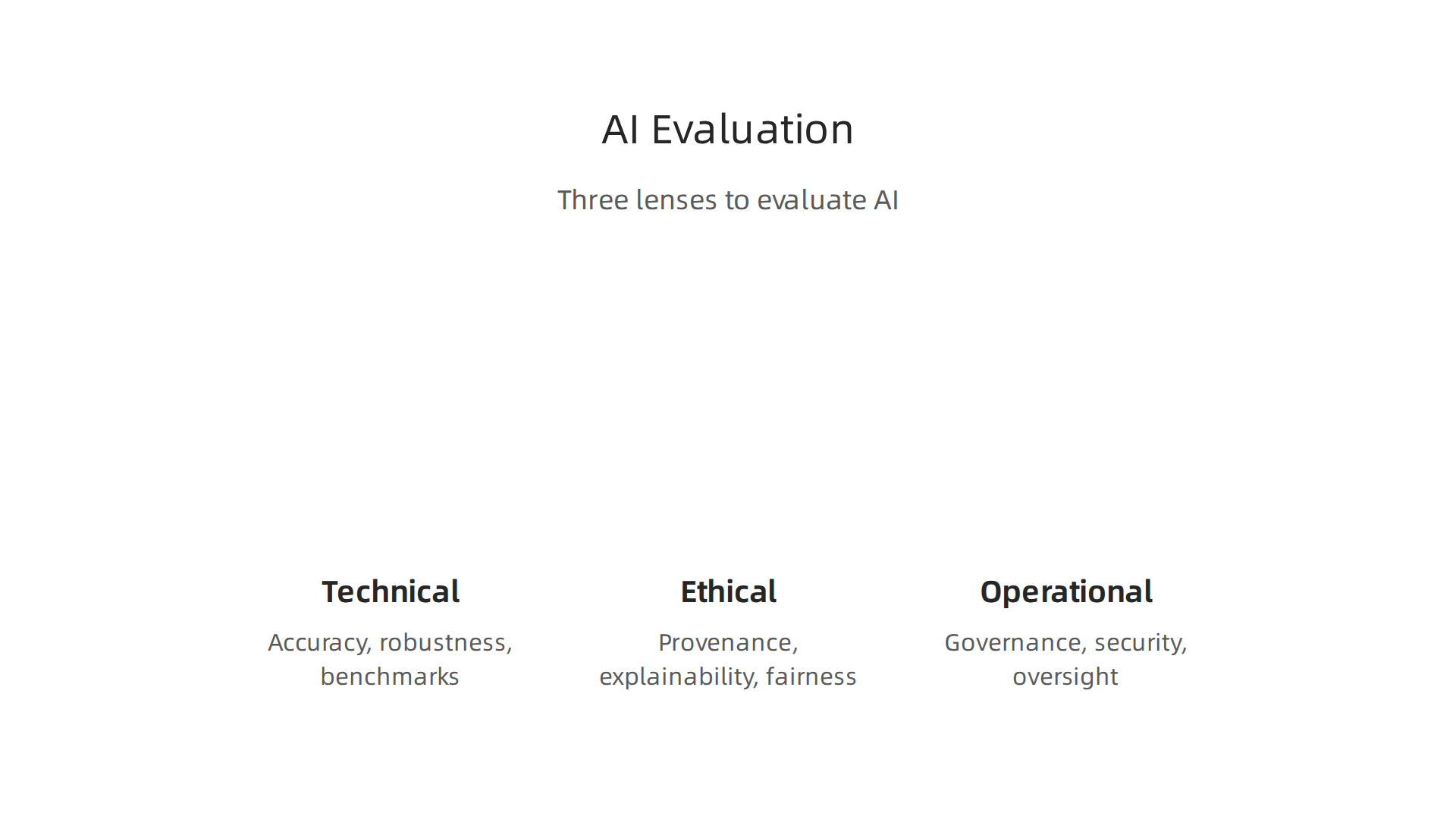
How to Evaluate AI Tools: Three Key Views
When you're trying to choose an AI tool, imagine looking at it through three different colored lenses. Each lens helps you see a different important part of the AI.

1. The Technical Lens: How Well Does It Work?
This lens helps you see if the AI does its job correctly and reliably.
- Accuracy: How often does the AI give the right answer or do the right thing? For example, if it's an AI powered coding assistant, how often does its code work without errors? We want AI to be highly accurate.
- Robustness: Can the AI still work well even if the data it gets is a little messy or unexpected? A good AI should not break down easily. Measures like those found in the AI Safety Index help evaluate how strong and safe AI models are.
2. The Ethical Lens: Is It Fair and Clear?
This lens looks at the moral side of AI, making sure it's fair and you can understand its decisions.
- Data Provenance: Where did the AI's training data come from? Was it collected in a fair and private way? Knowing the source of the data is very important for building trustworthy AI combat synthetic drift with ethical data. We want to avoid using data that could be biased or unfairly collected.
- Explainability: Can the AI explain why it made a certain decision? For example, if a data analysis toolpak predicts something, can it show you the reasons behind that prediction? Being able to explain its actions helps us trust the AI more. Standards like ISO/IEC TS 6254:2025 offer methods to achieve explainability objectives for AI systems, helping to make AI more transparent.
3. The Operational Lens: Can We Manage It Safely?
This lens focuses on how the AI fits into your daily work, how secure it is, and if people can oversee it properly.
- Governance Controls: Are there clear rules and ways to check how the AI is used? This includes making sure AI follows company policies and laws. The NIST AI 100-1 framework talks about characteristics of trustworthy AI, like being secure and explainable, which are key for good governance.
- Security: Is the AI safe from bad actors or mistakes? This means protecting the AI system itself and all the data it uses. Strong how the cia triad cyber security model protects ai systems in 2026 are a must.
- Human Oversight: Are there always people watching over the AI, making sure it stays on track and can step in if something goes wrong? Even the smartest ai coding platforms need humans to guide them. Giving humans the power to inspect and verify an AI system is part of being responsible, as outlined in reports on Responsible AI.
Questions to Ask Vendors and When Testing AI
When you are looking to buy or try out AI tools, here are some questions to help you evaluate them:
-
Technical:
- What are the numbers for accuracy and reliability?
- How does the AI handle new or unexpected information?
- What benchmarks (tests) has the AI passed for safety and performance? Experts note benchmarks like HELM Safety and HarmBench are widely used to measure what should be evaluated in AI safety as of 2026, according to the 2026 AI Safety Advanced Research Report.
-
Ethical:
- Can you show us where the training data came from and how it was collected?
- How does the AI explain its decisions in a way that regular people can understand?
- What steps are taken to prevent unfairness or bias in the AI's results?
-
Operational:
- What controls are in place to manage the AI's use and ensure it follows all rules?
- How do you protect the AI and its data from security threats? This is key, especially for any computer security software or system handling sensitive information.
- What training or support do you offer for people who will oversee the AI?
- How can human users easily review, correct, or override AI decisions if needed?
Using this framework helps you make a thoughtful choice, ensuring that any AI you bring into your work is not just powerful, but also safe, fair, and reliable.
When you are looking to find the best AI to use for your needs, you'll see many choices. There are big companies selling AI tools, and there are also "open-source" options that many people work on together and share for free. Deciding between these can be tricky, especially for sensitive work.
Let's compare them using five important points:
How to Compare AI Options
When comparing different AI tools, whether from big companies or open-source groups, think about these things:
- Licensing: How do you get to use the AI? Do you buy a license or pay a monthly fee, or is it free to use and change?
- Data Controls: Who gets to see or use your data? Can you keep your data fully private, or does the AI company have some access?
- Customization: Can you change the AI to work exactly how you need it to, or are you stuck with how it is built?
- Verifiability: Can you easily check how the AI makes decisions, or is it a "black box" where you just have to trust the company?
- Cost Model: How much does it cost over time? Is it a fixed fee, or do you pay based on how much you use it?
Hosted AI Tools (SaaS) from Vendors
Many companies offer AI tools as a service (SaaS), meaning they host and run the AI for you. You just use it over the internet, like a website. Big names like OpenAI, Anthropic, and Google offer these kinds of AI platforms.
Pros of Hosted AI:
- Easy to Start: You don't need special computer setup. Just sign up and start using it.
- Less Work for You: The vendor handles all the updates, maintenance, and security. You don't need to hire experts to run the AI system itself.
- Often Powerful: These tools often come with very advanced AI models that are hard for smaller teams to build alone. Many even offer AI powered coding assistants or ready-to-use data analysis toolpak features.
Cons of Hosted AI:
- Data Control Concerns: Your data usually goes through the vendor's systems. For very sensitive information, this might be a risk. Organizations need to think about how they are securing cloud platforms and how the provider protects data from issues like synthetic drift, as discussed in securing cloud collaboration platforms.
- Less Customization: You might not be able to change the core workings of the AI. You use it as the vendor provides it.
- Vendor Lock-in: Once you start using one vendor's AI, it can be hard to switch to another without a lot of effort. This is a key factor in the 2026 enterprise AI landscape, according to analysis on Enterprise Agentic AI Landscape 2026.
- Cost Can Grow: You often pay based on how much you use the AI. For very high usage, costs can add up quickly.
Open-Source and Self-Hosted AI
Open-source AI means the core code is available for anyone to see, use, and change. Self-hosting means you run the AI software on your own computers, not on a vendor's system. Some providers offer models with "open weights," which means you can download and run them yourself, like Meta Llama or Mistral, as noted in the 2026 Enterprise AI Landscape.
Pros of Open-Source/Self-Hosted AI:
- Full Data Control: When you self-host, your data stays on your own servers. This is very important for sensitive data, ensuring full privacy and avoiding recurring vendor fees, as highlighted in one report on AI platform reviews.
- Deep Customization: You can change the AI code itself to fit your exact needs. This is great for unique tasks or if you need specific AI coding platforms.
- Verifiability: Because the code is open, you can inspect it and understand how it works, which helps build trust.
- Cost Savings for High Usage: While there's an upfront cost for hardware and experts, for very high volumes of AI use, self-hosting can be much cheaper over time. Studies in 2026 show that self-hosting can have cost parity with cloud APIs in a few months at moderate usage, and can be up to 18 times cheaper over three years for high usage scenarios, based on research like Self-Hosted LLMs vs Cloud APIs and Cloud AI vs. On-Premise AI: The True Cost Comparison.
Cons of Open-Source/Self-Hosted AI:
- More Work and Expertise: You need your own team to set up, maintain, and secure the AI. This means hiring people who understand things like computer security software and AI systems.
- Higher Upfront Cost: You might need to buy powerful computers (GPUs) to run the AI, which can be expensive at first.
- Slower Updates: You are responsible for keeping your AI up-to-date with the latest improvements.
- Less Support: You might rely on community support rather than dedicated customer service.
When choosing between these options, it really comes down to how much control you need over your data, how much you want to customize the AI, and how much you're willing to invest in setting it up yourself versus paying a vendor to handle it all. For low, irregular usage, cloud APIs are often cheaper, but for high, predictable usage, self-hosting wins on cost, as noted in the Self-Hosted AI vs Cloud AI guide.
When you pick the best AI to use, it's not just about the tool itself. It's also super important to think about the data that AI uses. If the data isn't good, or if it's collected in a bad way, your AI won't be trustworthy. This is where the "AI bottleneck" comes in. It means there's not enough good, ethical data. And then there's "synthetic drift," which is when information gets twisted or changed as it goes through digital systems, making it harder to find the real truth.
How to Get Good Data for AI
To make sure your AI works well and is trustworthy, here are some key steps for handling data:

Use Permissioned and Private Data
The best data for AI comes from people who have given their clear permission for it to be used. This kind of data is often private, meaning it's not just taken from the internet without asking. Relying on this kind of data helps make sure your AI systems are ethical and fair. When you use data that people agree to share, it helps to build trust. This is much better than just taking information found all over the web.
Track Where Your Data Comes From (Data Provenance)
It's really important to know the full story of your data. This is called "data provenance." It means keeping track of:
- The original source: Where did the data first come from? Was it a public report, a licensed collection, or something you collected yourself?
- How it was collected: Did you gather it from surveys, sensors, or other methods?
- What rules apply: What licenses or legal rights cover its use?
- What changes were made: Was the data cleaned, sorted, or changed in any way?
In 2026, experts agree that clear records of data provenance are vital for building trust in AI. For example, the EU AI Act (Article 10) says providers must log details about their training data, including its origin and how it was collected EU AI Act Art.10 Data Provenance Logging: Tracking Training .... Tools like Data Provenance Explorer also help trace where popular datasets come from Bringing transparency to the data used to train artificial .... This helps prevent issues with incorrect data licenses, which are quite common, as over 70% of datasets in one study had no licenses, and half of those that did were wrong Popular AI Training Datasets Are Rife With Licensing Errors. Keeping track of this helps you use the best AI to use responsibly. If you want to learn more about keeping your data safe, check out our guide on cloud security tools secure AI data and build trust in 2026.
Don't Rely Too Much on Scraped Public Data
Many AI models today learn from huge amounts of public data found on the internet. This "scraped" data can be full of mistakes, biases, or even made-up information. When AI uses this kind of data, it can lead to "synthetic drift," where the AI starts to spread false or changed information. This is a big reason why generative AI programs depend on ethical data to earn user trust. To avoid this, try to use as little scraped public data as possible. Instead, focus on data that has clear consent and a known source.
Watching Out for Synthetic Drift
Even with the best data practices, AI models can sometimes start to "drift" over time. This means their outputs change or become less accurate. This is known as synthetic drift, and it's something you need to watch out for, especially with tools like ai powered coding assistants or complex data analysis toolpak.
How to Monitor Your AI Models
To make sure your AI stays on track and doesn't suffer from synthetic drift, you need to monitor it regularly. Here are some ways:
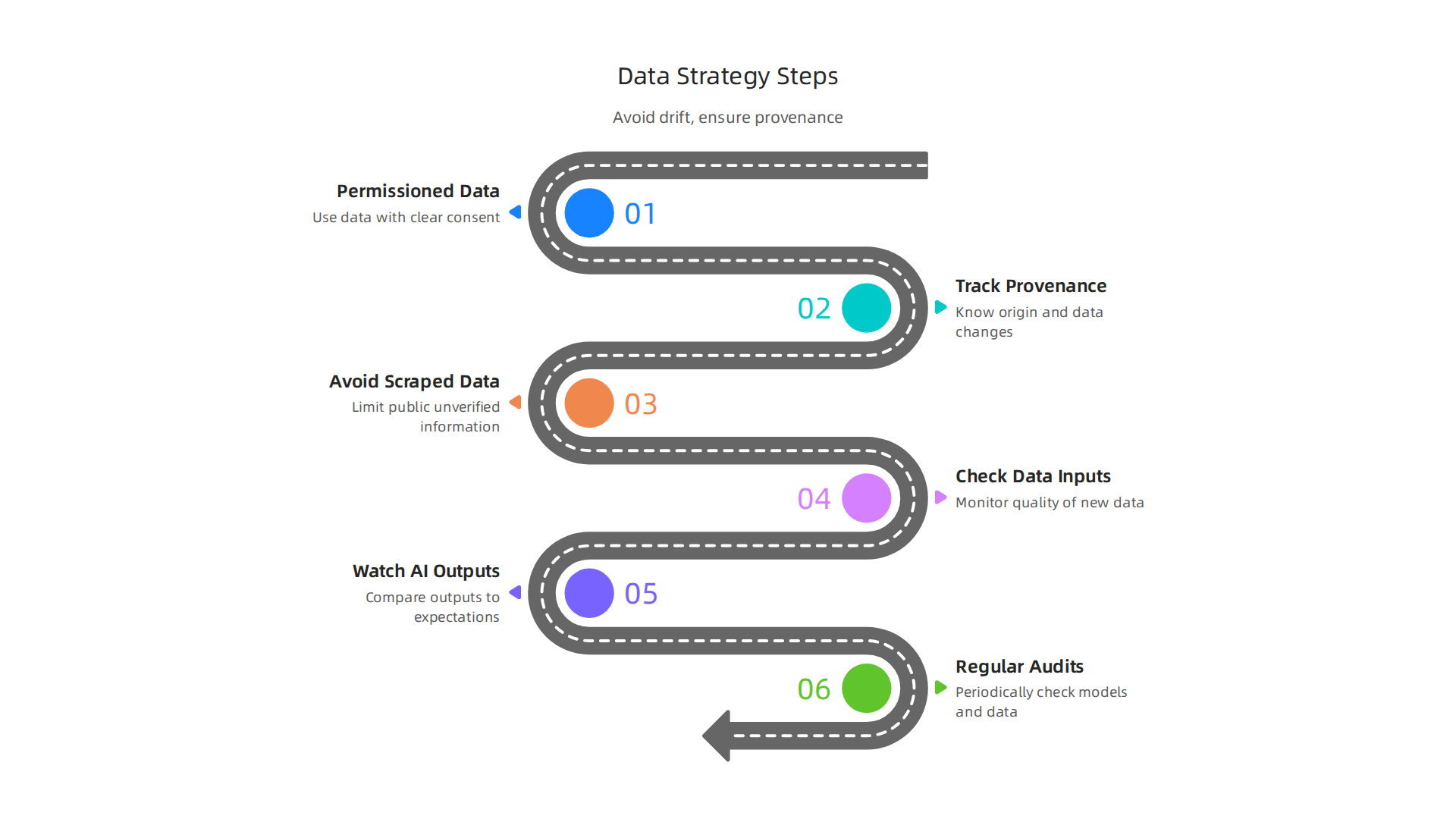
- Check Data Inputs: Always keep an eye on the new data your AI is getting. Make sure it's still good quality and relevant. You can audit existing consent records to map active datasets to their sources AI Training Data Governance: Managing Data Quality, Consent, and ....
- Watch AI Outputs: Compare what the AI puts out to what you expect. If you see strange or incorrect results, it might be a sign of drift.
- Use Watermarking and Metadata: Some tools can embed hidden signals in AI-generated content (watermarking) or attach tracking information to data (metadata-based tracking). These help detect if data used for training is synthetic or has been altered Tracking Training Data for Safety & Compliance (2026).
- Regular Audits: Have regular checks on your AI models and their data. This helps catch problems early.
By taking these steps, you can avoid common issues like the AI bottleneck and synthetic drift. This helps ensure that your choice for the best AI to use actually works for you and provides reliable, ethical results. Learning to manage this kind of data properly is also crucial for anyone working in ai coding platforms or needing strong computer security software.
After making sure your AI data is good and your models stay on track, the next big step for companies is bringing AI into their everyday work. This means carefully choosing the best AI to use, testing it out, and setting up rules for how it will be managed.
Procurement, Pilot Design, and Governance for Enterprise-Scale Adoption
For big businesses, just picking an AI tool isn't enough. They need a clear plan to buy, test, and oversee AI systems, especially for enterprise-scale adoption.

This helps ensure the AI is not just powerful, but also safe, fair, and helpful for everyone.
Smart AI Procurement
When a large company wants to buy AI, it's a big decision. They can't just pick the first thing they see. They need to ask deep questions to find the best AI to use for their specific needs. This often starts with something called a Request for Proposal, or RFP. An AI RFP is like a detailed questionnaire that helps companies compare different AI sellers. It asks about things like:
- Security: How safe is the AI? Will it protect important company information?
- Data Handling: How does the AI use data? Does it follow rules for privacy and ethics?
- How it works: Will the AI fit well with the company's existing computer systems?
- Cost: What's the real cost over time? This includes looking at options like using cloud-based AI services or setting up the AI systems in the company's own offices, which can offer significant cost savings over time for high usage volumes Self-Hosting AI: Local LLMs vs. Cloud APIs (2026 Technical Guide).
In 2026, companies often use structured forms, like an Enterprise AI Vendor RFP Template, to make sure they ask all the right questions. It's about finding a vendor that you trust and one that offers the flexibility you need, rather than getting stuck with a system that doesn't fit later on Enterprise Agentic AI Landscape 2026: Trust, Flexibility, and Vendor Lock-in. You want to make sure the AI tool you pick is truly the best AI to use for your business, whether it's for something like specialized ai powered coding assistants or more general data analysis toolpak tasks.
Designing Smart Pilot Programs
Before an AI system goes live across an entire company, it's a smart idea to test it in smaller "pilot" projects. These pilots are like mini-tests that help check a few important things:
- Safety: Is the AI safe to use? Does it make any unexpected problems?
- Alignment: Does the AI do what the company wants it to do? Does it match the company's goals and values?
- Operational Fit: How well does the AI work with the people and processes already in place? Is it easy for employees to use?
By doing these small tests, companies can find and fix problems early, before they become big issues. This is much better than rolling out a new AI system everywhere only to find it doesn't work well or causes new problems.
Strong AI Governance
Even after an AI system is bought and tested, the work isn't over. Companies need to set up clear rules and checks to make sure the AI continues to work correctly and ethically. This is called AI governance.
- Governance Checkpoints: These are regular stops to review how the AI is performing. Think of them as check-ups for your AI. Are its outputs still fair? Is it making good decisions?
- Red-Team Exercises: Sometimes, experts will try to find weaknesses or biases in the AI system. This is called "red-teaming." It's like having a team try to hack your own system to find problems before others do.
- External Verification: For very important or risky AI uses, a company might even ask outside experts to look at their AI. These outside checks help build trust and show that the company is serious about using AI responsibly.
Setting up good governance is vital for any company using AI, from those developing new ai coding platforms to those relying on advanced computer security software. It helps ensure that AI systems stay trustworthy and aligned with human values for the long run.
Summary
This article explains why selecting the right AI tools is critical in 2026, focusing on the twin risks of the AI data bottleneck and synthetic drift. It shows how poor or unverified training data and unchecked synthetic content can erode trust and produce incorrect or biased outputs, and it argues that ethical data practices must guide tool choice. The piece describes main AI categories (foundation models, domain LLMs, ML platforms, MLOps, synthetic data, governance tools), then gives a three-lens evaluation framework—technical, ethical, and operational—to judge options fairly. It compares hosted SaaS vendors with open-source/self-hosted approaches, outlines concrete data-provenance and permissioned-data practices to avoid legal and quality pitfalls, and ends with procurement, pilot design, and governance steps enterprises should follow to deploy AI safely and responsibly.