Home


Menu

Close

Digital Intelligence Platform: Unlocking Trustworthy AI with Human-Centric Data
Published:
August 6, 2026
Why Digital Intelligence Platforms Matter Now: Framing the AI Bottleneck and Human-Centric Metrics
In our world today, full of constant digital chatter, businesses, government groups, and non-profits face a big challenge. They need to understand huge amounts of information from places like social media and other online spots.

This is where a digital intelligence platform comes in.
Think of it as a special helper that brings together all this online data so big organizations can make smart choices. A digital intelligence platform helps collect, sort, and make sense of different types of data, helping everyone from big companies to government groups work better in 2026. These platforms are often powered by smart computer programs, like artificial intelligence (AI) and machine learning, to get useful ideas from all the data they gather [^1^].
Actually, many groups are dealing with a problem called the "AI bottleneck." This happens because AI needs a lot of good, private information to learn from. But often, this information is hard to get in a way that respects people's privacy. Instead, AI sometimes learns from public information that can be twisted or not fully true. This leads to something called "synthetic drift," where the truth gets changed as it moves through digital systems. This makes it hard to trust what AI tells us. We need to find ways to make sure AI learns from real, permissioned private data so it can be helpful and truthful. This also includes thinking about how to build ethical multimodal AI strategies to combat synthetic drift.
This is why understanding a digital intelligence platform is so important. It helps solve these problems by giving a clear way to handle data. A good platform helps with things like making sure data is used correctly (governance), showing data in easy-to-understand pictures (data visualization), and picking the right tools. It helps make sure that when we use AI, it truly helps people and aligns with human values, instead of just getting more clicks. Using platforms that allow for ethical data gathering is key to unlock trustworthy AI with a modern customer data platform.
[^1^]: Data Intelligence Platform: Key Features & Top 5 Solutions
What is a Digital Intelligence Platform? Core components and value drivers
A digital intelligence platform is like a central hub for all the information a big group gets from the internet. It helps organizations understand everything from what people say on social media to how their own websites are working. This kind of platform is super important because it helps them make smart choices that are based on real facts, not just guesses. In 2026, these platforms are key for any group that wants to use online information well.
Think of a digital intelligence platform as having different parts that all work together:
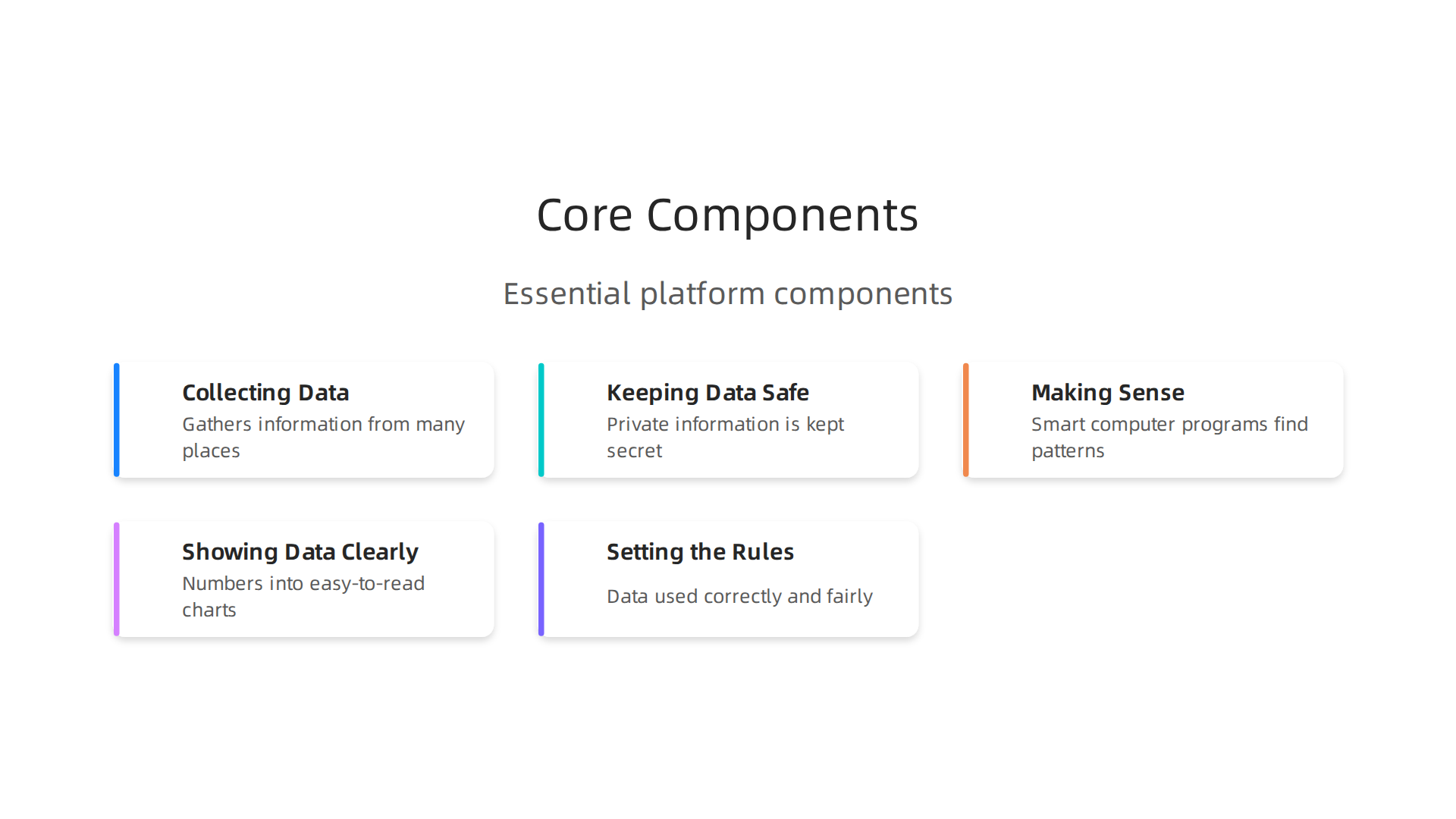
- Collecting Data (Data Ingestion): This is the first step. The platform gathers information from many places. This includes things like comments on Facebook, tweets, website visits, and customer feedback. It's like having a big net that catches all kinds of digital signals. Many use advanced social media analytics tools to bring this data in.
- Keeping Data Safe (Privacy-Preserving Storage): After collecting, the data needs a safe place to live. A good platform makes sure that people's private information is kept secret and used fairly. This is very important for building trust.
- Making Sense of Data (Analytics and Machine Learning): Here, smart computer programs look at all the collected data. They find patterns and hidden meanings. These programs, often powered by AI, help turn raw numbers into useful ideas.
- Showing Data Clearly (Data Visualization): It's hard to understand a lot of numbers. So, digital intelligence platforms turn these numbers into easy-to-read charts, graphs, and pictures. This helps people quickly visualize AI insights and understand what's happening. This part is called data visualization.
- Setting the Rules (Governance): This part is about making sure all the data is used correctly and fairly. It sets the rules for who can see what data and how it should be handled. This helps avoid problems and makes sure the data truly helps people.
According to experts, a data intelligence platform helps bring together all these pieces like context, rules, and automatic actions so people and computer systems can trust, find, and use data easily.
It connects many different kinds of information, policies, quality checks, and AI help. This lets people who create and use data work faster while staying careful What Is a Data Intelligence Platform? Benefits + Use Cases.
Why Digital Intelligence Platforms Are Valuable
These platforms bring big benefits to different kinds of organizations:
- For Businesses (Enterprises): Businesses use these platforms to understand their customers better, find new chances to grow, and make their products or services better. It helps them build trust with customers by using data ethically and making sure their decisions are sound. This leads to clearer ways to develop your enterprise data science bootcamp for trustworthy AI in 2026 and make better choices.
- For Government Agencies: Government groups use digital intelligence platforms to serve citizens better, keep services running smoothly, and make sure their actions are clear and accountable. It helps them gain public trust by showing that their decisions are fair and based on good information, which also ensures auditability.
- For Non-profit Organizations: Non-profits use these platforms to understand the people they help, raise money more effectively, and show that their work is making a real difference. It helps them keep their promises and align with their mission, building trust with their supporters and the communities they serve.
In short, a digital intelligence platform is more than just a tool. It's a way for organizations to build trust, make smart choices, and make sure their actions line up with their goals, all while handling information in a careful and ethical way.
A digital intelligence platform helps groups build trust and make smart choices. It does this by making sure the data it uses is good and comes from reliable places. This means the platform needs strong ways to handle ethical data, use special data roads called "permissioned pipelines," and keep data true and correct through "data integrity" controls.
Permissioned Private Data Pipelines
Think of data as water flowing into a giant tank. If you get water from a public pond, it might have things in it that make it not so clean. But if you have a special, private pipeline from a pure spring, you know the water will be clean and safe. This is like the difference between scraped public data and data from a "permissioned private data pipeline."
- What they are: These pipelines are secure paths for data that organizations gather directly and with permission. This means people have said "yes" to their data being collected and used. This kind of data is much more trustworthy than information pulled from public websites or social media without clear consent. Privacy-preserving techniques are key here, using methods that keep personal details safe while still allowing the data to be useful Privacy-Preserving Data Pipelines for Financial Fraud Analytics.
- Why they matter: When a digital intelligence platform uses data from these private pipelines, it reduces how much it has to rely on data that might be distorted, incomplete, or even fake. This is very important to stop what some call "Synthetic Drift," where the truth gets twisted as it moves through online systems. By starting with ethical, permission-based private data, the platform helps ensure that AI models and other smart tools get a real picture of human behavior and values. This helps generative AI assistants need permissioned private data to avoid synthetic drift and make better decisions.
Data Integrity Controls
Beyond getting data ethically, a digital intelligence platform must also make sure that data stays correct and reliable. This is called "data integrity."
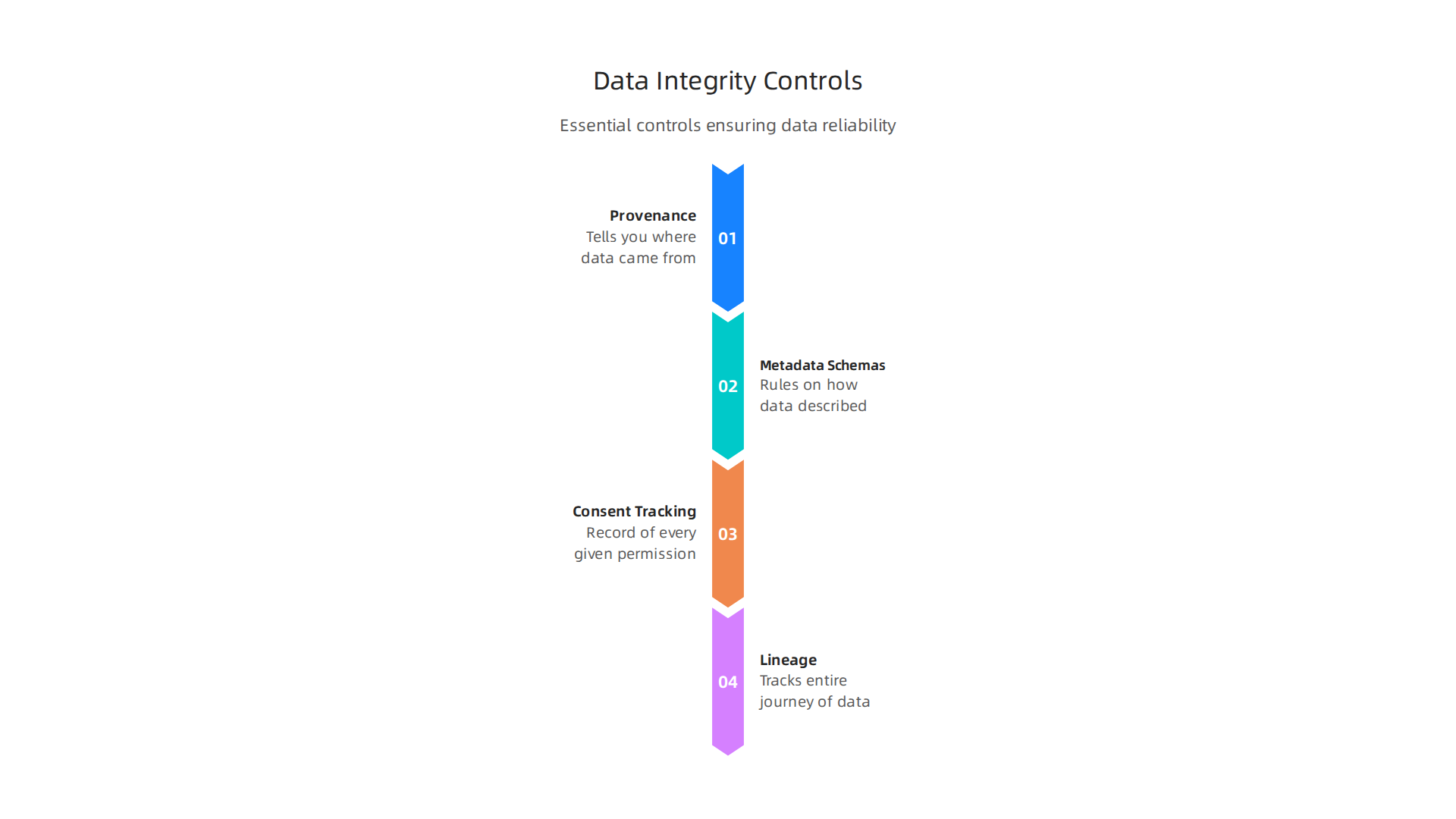
It means the data is accurate, complete, and protected from being changed by mistake or on purpose. Here are some important controls:
- Provenance: This is like the data's birth certificate. It tells you where the data came from, who collected it, and when. Knowing the origin helps you trust the data. If you know data came from a trusted survey with clear questions, you'll believe it more than data from an unknown online source.
- Metadata Schemas: These are like special labels or tags for data. They give rules on how data should be described. For example, a metadata schema might say that all customer age data must be a number, not text like "old" or "young." This keeps data organized and easy to understand.
- Consent Tracking: This control keeps a record of every time someone gave permission for their data to be used. It shows exactly what they agreed to. This is crucial for privacy and making sure the platform respects people's choices about their own information.
- Lineage: Data lineage tracks the entire journey of data, from when it was first collected to how it was changed, moved, and used in different reports or analyses. It's like a detailed map of the data's life. This helps solve problems if something goes wrong with the data, allowing you to trace it back to the source.
By having these strong controls in place, a digital intelligence platform makes sure that the insights you get are built on a solid foundation of reliable and ethical information. This is how organizations build real trust with their users and make truly smart, responsible choices in 2026.
Implementing privacy-preserving data access and consent at scale
Beyond just knowing where data comes from and keeping it consistent, a digital intelligence platform also needs smart ways to protect people's private information. This means using special methods to access data while keeping personal details safe. It also means making sure people's consent, or "permission," is always respected.

Here are some technical ways a digital intelligence platform makes sure data stays private:
- Federated Learning: Imagine many different groups want to learn from data, but they can't share their raw information. Federated learning lets an AI model learn from each group's data right where it sits, without ever moving the private data to a central spot. Only the learned rules or improvements are shared, keeping individual data private [A survey of privacy-preserving federated learning]. This is very helpful for a digital intelligence platform working with many partners.
- Secure Enclaves: Think of a tiny, super-locked room inside a computer's main processor. Important data can go into this room to be used, but nothing outside can see what's happening or take the data. This keeps sensitive information safe even from other parts of the computer system or outside threats.
- Differential Privacy: This clever trick adds a small, carefully chosen amount of "noise" or random information to a dataset. This noise is just enough to hide any single person's details, so you can't tell if a specific individual's data is included. But it's not so much noise that you lose the big picture or overall trends. This allows social media analytics tools, for instance, to share useful general insights or help to [visualize AI] findings without revealing personal user data [Architecting privacy-centric data pipelines with generative AI].
And here are some important rules and systems to control how data is used:
- Consent Registries: These are like a big, official list that clearly records every single permission a person has given for their data to be used. It's a central place where a digital intelligence platform can always check what someone agreed to. This ensures ethical data use and builds trust.
- Role-Based Access: This means that only people with specific job duties or "roles" are allowed to see certain types of data. It's like having different keys for different doors. A manager might see more data than an intern, making sure sensitive data is only seen by those who need to see it.
- Audit Trails: An audit trail is a very detailed log that records every action taken with data. It shows who looked at what data, when they did it, and what changes they made. This helps to check for problems, prove that rules are being followed, and increases accountability. These strong controls help ensure that [data protection services solve the AI trust crisis] and that [cloud security tools secure AI data] effectively in 2026.
AI analytics and visualization: turning intelligence into trustworthy insights
After making sure data is private and handled with care, the next big step is to understand what that data means and show it in a way everyone can trust. This is where AI analytics and visualization come in. A good digital intelligence platform doesn't just collect information; it helps turn raw numbers into clear, useful pictures and insights.

The goal is to make sure people can rely on these insights to make smart, human-centered decisions in 2026.
One key way analytics and visualization build trust is by showing where the data comes from, also known as its "provenance." This means you can see the whole story of the data, from its beginning to how it was used. This transparency helps people feel more confident about the information. Also, good data visualization makes it clear what we know for sure and what might still be uncertain. It shows the limits of the data, helping users understand if the findings are strong enough to act on Data Visualization Best Practices 2026: Analyst Guide. This honesty is important for making decisions.
A good digital intelligence platform also helps add "human context" to decisions. This means that when AI gives you information or suggestions, the visualization helps you see how those ideas might affect real people and their lives. It's not just about numbers; it's about understanding the impact. For example, social media analytics tools can show trends in user behavior, but trustworthy visualization helps explain why those trends are happening and what they mean for the community. This focus on "explainability" means we can understand the reasoning behind AI's suggestions, building more trust Human-Centric AI Guidance for Visual Analytics.
When we design these visualizations, some rules are very important. We want to emphasize trust, not just how shiny or engaging a chart looks. This means keeping visuals clean and focused, avoiding extra elements that might confuse or trick someone 15 Data Visualization Best Practices in 2026. The main goal is to help people understand quickly and correctly. Instead of just trying to grab attention, good data visualization should support "human flourishing." This means the insights help improve well-being and make life better, rather than just keeping people scrolling or clicking. If we only focus on getting more engagement, we might lose sight of what truly matters, which can become a big problem. This is a common challenge in why trust in business intelligence became the biggest bottleneck.
To make sure visuals are trustworthy and helpful in 2026, it's important to choose the right type of chart for the message you want to share Top Data Visualization Trends for 2026. For example, if you want to show how something changes over time, a line chart is usually best. If you want to compare different things, a bar chart works well. Simple choices like these help visualize AI insights clearly and ensure that everyone can understand and trust the information provided by the digital intelligence platform.
Designing human-centric dashboards and narratives
Building on the idea of choosing the right charts, we now look at how to design dashboards and tell stories with data in a way that truly helps people. This means creating "human-centric" dashboards that focus on the user's needs first. A good dashboard, part of a strong digital intelligence platform, isn't just about showing numbers. It makes sure you can understand what the numbers mean for real people and their actions.
One key part of this design is to clearly show when data might not be 100% certain. For example, if an AI is predicting future events, the dashboard should use gentle colors or labels to show that these are just guesses, not facts. This helps users make smarter choices because they know the limits of the information. Another important step is to make sure users can easily see where the data comes from and how it was processed. This is called "data lineage." When you can trace the data's journey, it helps build trust in the insights you visualize from AI. This approach ensures that the information helps people, not just presents raw numbers Data visualization in AI-assisted decision-making.
Dashboards should also point out any ethical concerns or biases that AI insights might have. For instance, if social media analytics tools show trends, the dashboard should explain if the data might be missing some groups of people or if it's based on incomplete information. This "ethical flagging" helps prevent bad decisions. It means that when you design these visuals, you follow important principles like empathy and simplicity to make complex data easier to grasp With Respect to Dashboard Design, Think Human-Centric. By keeping these things in mind, a digital intelligence platform can offer insights that are not only clear but also truly trustworthy and helpful. After all, building trust in AI starts with careful attention to how we collect and present data. You can learn more about how to make sure your data analysis is ethical to further build trust in AI.
Detecting and preventing Synthetic Drift: measurement and mitigation strategies
Building on the idea of creating AI tools that people trust, we now face a tricky problem called "synthetic drift." This drift happens when the real-world information that AI models rely on slowly changes over time. Imagine an AI model that learns from data. If that data changes, the AI might start making wrong guesses or even spread misinformation. A good digital intelligence platform needs to keep an eye on this.
What exactly is synthetic drift? Think of it as a shift in the nature of data over time, which can really mess up how well machine learning models work Measuring drift impact : a customizable synthetic data .... Another way to put it is when the data used to train an AI model becomes different from the data the model uses every day Data drift in medical machine learning: implications and ... - PMC. When we talk about "synthetic drift" in the broader sense, it means that as true human information moves through digital systems, it can get twisted or lost. This often leads to wrong information getting shared widely.
This problem shows up in many ways. For example, social media analytics tools might show trends based on old information, or the way people use language might shift, making earlier AI training data less useful. This can cause AI models to stop being accurate. Preventing this means catching these changes early.
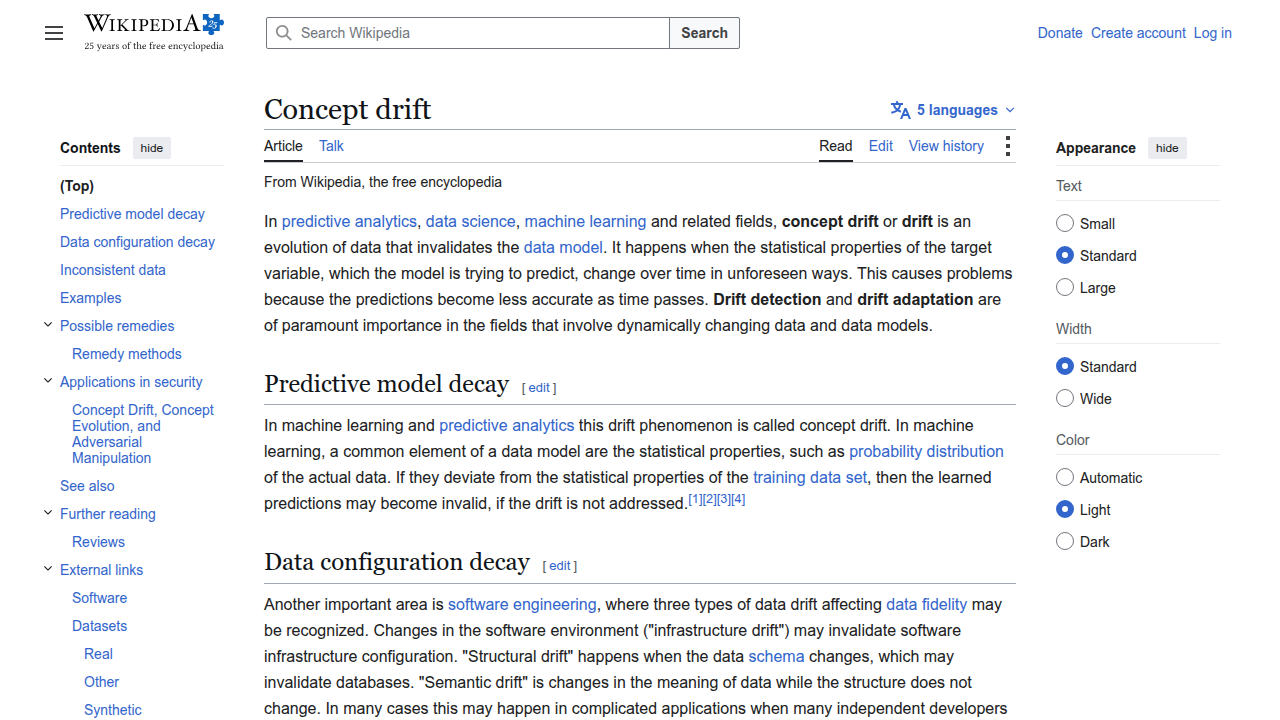
To find and stop synthetic drift, a robust digital intelligence platform needs strong tools. First, we need to constantly monitor the data flowing into our AI systems. This means checking for new patterns or changes in how data looks. Metrics like the model's error rate can tell us if the AI is starting to struggle. If the error rate goes above a certain point, it's a sign that drift might be happening Concept drift - Wikipedia.
Once drift is detected, we need a plan to fix it. This often means:
- Updating AI Models: Giving the AI new, fresh data that reflects the current world. This helps the AI re-learn and become accurate again.
- Changing Data Collection: Making sure we collect data ethically and in a way that truly captures how people behave, before it gets distorted. This helps to visualize AI insights more accurately.
- Setting Clear Rules: Having strict guidelines for how data is handled and used, especially when it comes to training AI.
By actively monitoring data and quickly stepping in when drift is found, we can keep our AI systems reliable. This proactive approach helps build trustworthy AI that continues to serve people well in 2026 and beyond. To really tackle this challenge, it's important to build trustworthy AI and combat synthetic drift with ethical data practices. You can explore more about ethical multimodal AI strategies to combat synthetic drift. Thinking about how to stop synthetic drift and misinformation amplification is a key step in making sure AI helps us, rather than harms us.
When we talk about stopping synthetic drift and making AI trustworthy, it's a big step. But how do big companies actually put these ideas into practice? It's like putting a new, powerful engine into an existing car. Everything needs to fit just right. This is where thinking about people, processes, and technology becomes very important for a successful digital intelligence platform.
Integrating with Existing Systems
Bringing a new digital intelligence platform into a company means it has to connect with all the data systems already in place. Think of a company's data as a large library. The new platform needs to know how to read the old books and add new ones in a way that makes sense. This includes making sure data can flow smoothly between different tools and databases. The goal is to make it easy to visualize AI insights from all the data, not just parts of it. A strong platform helps unlock trustworthy AI with a modern customer data platform.
Companies also need clear rules for how they use AI. This is called AI governance. It's like having a set of traffic laws for your AI systems. These rules ensure that AI is used responsibly, ethically, and in a way that matches what the company believes in AI Governance in 2026: A Full Perspective on .... In 2026, many governments and businesses are setting up special boards or teams to manage AI use, just like how companies manage their money or human resources M-24-10 MEMORANDUM FOR THE HEADS OF .... This helps make sure all AI tools, even social media analytics tools, follow the same strict guidelines. For a deep dive into these rules, you might want to explore more about AI Governance and Regulation 2026: A Complete Guide to ....
People, Processes, and Measuring Success
Putting a new digital intelligence platform into action is not just about the tech; it's also about the people and the way things are done.

This is called change management. Everyone in the company needs to understand why the new system is important and how to use it. This might mean training for different teams, helping them develop their enterprise data science bootcamp for trustworthy AI in 2026. Different teams will have new roles and responsibilities. For example, some people might focus on making sure the data is clean and ethical, while others focus on how to visualize AI insights to make good business choices. These are often the people in AI training jobs stop synthetic drift and build trust in AI.
A key part of making these platforms work is setting clear goals, called Key Performance Indicators (KPIs). Instead of just looking at how much money the AI saves or makes, companies should also measure how the AI helps people. This means asking questions like: Does the AI help employees do their jobs better? Does it lead to happier customers? Does it make sure the information shared is true and helpful, not misleading? These KPIs should help the company make choices that support human flourishing. By putting a "trust-first" AI strategy becomes business imperative in 2026, businesses can ensure their digital intelligence platform truly helps everyone.
Governance and Compliance Considerations for Government and Non-Profits
While businesses focus on "trust-first" AI for growth, government agencies and non-profit organizations have their own special rules to follow. For them, using a digital intelligence platform means thinking about public trust and accountability in unique ways. In 2026, governments are working hard to set up clear ways for how they use AI. They need to make sure that AI helps citizens fairly and openly.
For government agencies, it's about making sure their AI tools are always serving the public good. This means strict rules for how data is collected and used, especially when it affects people's lives. These rules cover everything from privacy to making sure AI decisions are unbiased. Governments are creating special frameworks to guide this, such as the Government AI Transformation: The 2026 Playbook.
These plans help them set up clear Governance structures for data and AI in the public sector. It is very important for them to be able to visualize AI insights in a way that is easy to understand and check.
Non-profit organizations also face special challenges. They use data to help people and achieve their missions, but they must do so with great care for privacy and consent. Imagine a non-profit using social media analytics tools to understand how to best help a community. They need to collect data ethically and ensure they have permission to use it. This helps them avoid problems like synthetic drift, where information can get twisted. Building a digital intelligence platform for a non-profit means finding a balance between using data to do good and protecting the people they serve. It also means making sure that the data they collect is trustworthy from the start. You can learn more about how important this is for ethical data practices by understanding why ethical electronic data gathering and retrieval is the only fix for AI data crisis. This focus on getting permissioned, private data is key, especially because generative AI assistants need permissioned private data to avoid synthetic drift.
Selection Criteria and Vendor Evaluation Checklist for Digital Intelligence Platforms
After understanding how important ethical rules and public trust are for government and non-profit groups, the next big step is picking the right digital intelligence platform. It's not just about what a platform can do, but how it does it, especially when it comes to keeping data safe and truthful. In 2026, choosing the best platform means looking at some key things very closely.
To help you find a digital intelligence platform that works well and is trustworthy, here's a simple checklist:
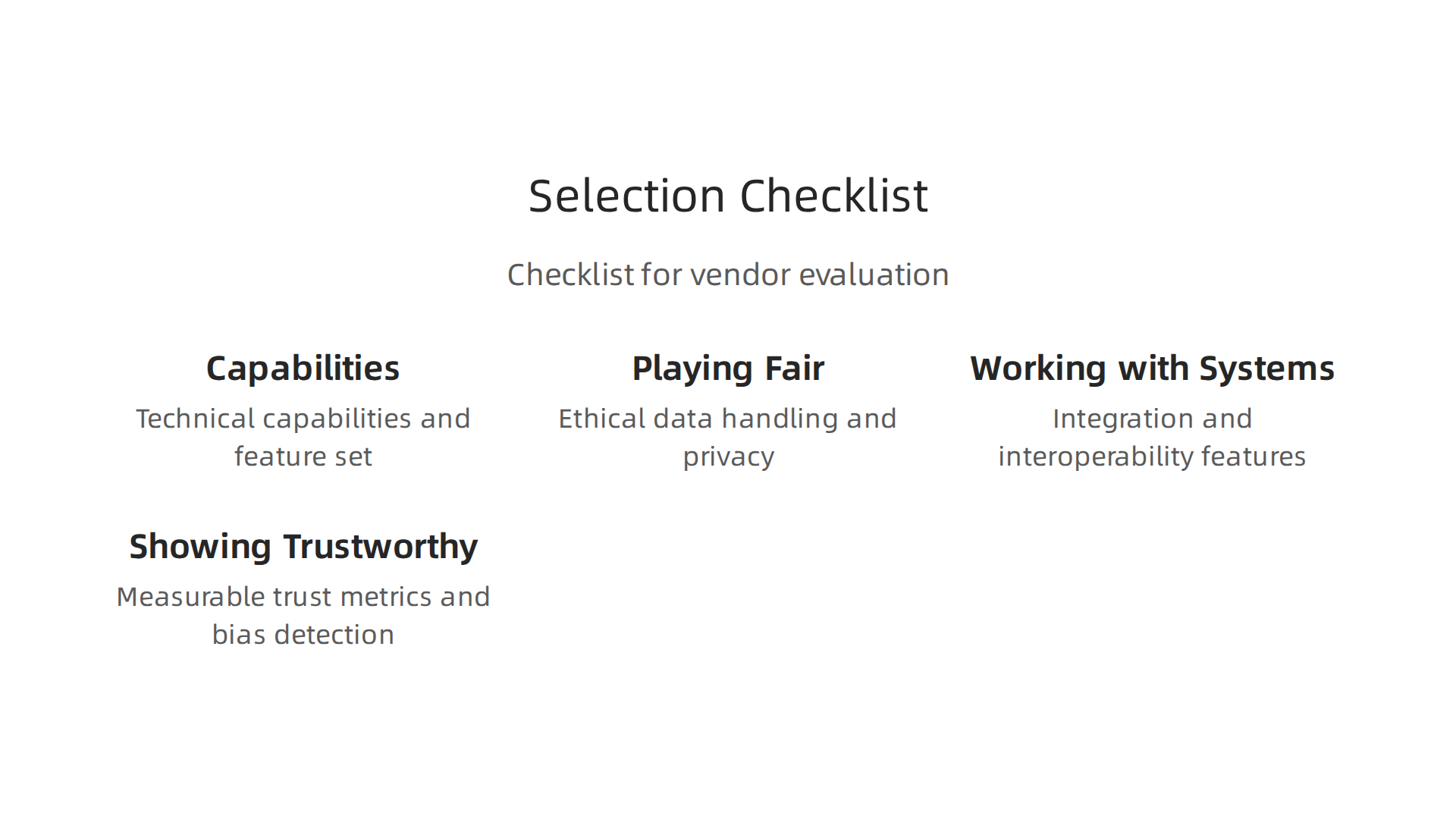
1. What It Can Do (Technical Stuff)
- How it shows information: Can the platform help you easily [visualize AI] insights? You want to see complex data in simple charts and graphs so everyone can understand it quickly.
- Real-time info: Does it give you up-to-the-minute information? This is super important for making quick decisions.
- Data handling: How well does it collect and sort different kinds of data? For example, if you use social media analytics tools to understand public opinion, the platform needs to handle all that information clearly.
- Learning and growing: Does the platform get smarter over time? Can it learn from new data without getting confused?
2. Playing Fair with Data (Ethical Controls)
- Permissioned data: Does the platform make it easy to use only data that people have agreed to share? This is key for privacy.
- Data history: Can you see where all the data came from and how it was used? This is called data provenance and helps build trust.
- Fighting "synthetic drift": This is super important. "Data drift" means changes in the patterns of data over time, which can make AI tools less accurate or even wrong. A good platform should have ways to stop this distortion. For instance, data drift happens when the real-world data an AI model uses changes from the data it was trained on, making its performance worse over time. You can learn more about how to tackle this by reading about Data drift: How to tackle it with synthetic data. Making sure your AI tools keep working correctly means they need to keep an eye on these changes in data distribution, as studies on concept drift show. Choosing a platform that can handle this helps make sure your data stays accurate and ethical.
3. Working with Other Systems (Interoperability)
- Easy to connect: Can the digital intelligence platform easily talk to your other computer programs and systems? It should fit smoothly into what you already use.
- Open standards: Does it use common ways of working that make it simple to connect with new tools later?
4. Showing It's Trustworthy (Measurable Trust Metrics)
- Clear reports: Does the platform give you easy-to-read reports that show how well it's working and if it's being fair?
- Checking for bias: Can it help you spot if the AI is making unfair decisions because of biased data?
- Ways to measure trust: How does the platform help you define and measure "trust"? This might involve something called operationalization, which means clearly defining how you will measure things that are hard to put into numbers, like trust or fairness.
When you're asking companies to bid on providing a digital intelligence platform, use very specific language in your requests for proposals (RFPs). Ask them to explain exactly how they will prioritize permissioned data, show data provenance, and include measures to prevent synthetic drift. This way, you can build trustworthy AI from the ground up. It's also a good idea to evaluate AI tools with a framework for ethical data and trust before making a final choice.
Summary
This article explains why digital intelligence platforms are essential for organizations in 2026, especially to overcome the AI bottleneck caused by poor or public-only data. It describes the platform's core components—data ingestion, privacy-preserving storage, analytics/ML, visualization, and governance—and why permissioned private data pipelines and strong data integrity controls (provenance, lineage, metadata, consent tracking) are critical to trustworthy results. The piece outlines technical privacy techniques such as federated learning, secure enclaves, and differential privacy, and shows how human-centric analytics and transparent visualizations build confidence and surface uncertainty. It examines synthetic drift—how data and truth can shift or degrade—and offers monitoring and mitigation strategies like retraining, updated collection, and policy rules. The article also covers practical rollout issues: integration with legacy systems, change management, KPIs that measure human value, and specific vendor selection criteria to prioritize ethics and interoperability. Readers will finish able to evaluate platforms, spot synthetic drift risks, and demand privacy-first features that keep AI aligned with human values.
Related Blogs
No Similar Blogs found
