Home


Menu

Close

Build a Modern AI Cyber Awareness Program for 2026 Threats
Published:
August 31, 2026
Artificial intelligence, or AI, is changing our world fast. But with new tools come new dangers, especially for how we keep our information safe. In 2026, we can no longer think about cyber awareness in the same old ways.

The rise of AI means we need to rethink how we protect ourselves and our organizations.
One big problem we face is called the "AI bottleneck." This happens because AI needs a lot of good, true information to learn from. However, much of the data on the internet is not always accurate or gathered in the right way. When AI is trained on this kind of poor data, it can lead to bad results. It creates a bottleneck where good data is scarce, and AI systems struggle to get the right start. Because of this, many leaders are looking into new rules and ways to handle AI safely. For example, the White House has focused on Promoting Advanced Artificial Intelligence Innovation and Security to make sure AI is used responsibly. Also, the National Institute of Standards and Technology (NIST) released a concept note for an AI Risk Management Framework to help guide safe AI use.
This problem gets even worse with something called "synthetic drift." Imagine a rumor spreading online. Each time it's shared, it gets a little more twisted, right? Synthetic drift is like that, but with data. As information moves through digital systems and is used by AI, it can get changed or distorted. This makes it hard to know what is true and what is not. This drift can hurt how much we trust AI systems and the information they give us. It also means that even with good cloud security best practices, the data itself might be flawed before it even reaches the cloud. Many groups, like the Health Sector, are working on Framework A.I. Cybersecurity Governance to keep AI safe. The National Cyber Security Centre also provides guidance on Securing AI Adoption in the Public Sector, highlighting the need for good management systems for AI.
You might be thinking, "But we already have cyber awareness training!" And you're right. Learning to spot phishing emails, create strong passwords, and avoid suspicious links is still very important. These basic steps are necessary for everyday online safety. However, they are no longer enough to protect against the more complex risks that AI brings. We need a deeper understanding. We need to know how AI can change information, how to check if AI outputs are trustworthy, and how to stop harmful AI uses, like those that could be created from malicious designs as highlighted by the Generative AI: product safety standards from GOV.UK.
This article will show you a new, practical way to think about cyber awareness in an AI world. We will share a framework that combines smart training, clear rules for AI use (governance), ways to check if things are working (measurement), and a focus on people in all our designs. This will help us build AI systems we can truly trust. To learn more about how to protect against these new threats, explore how to better understand mastering cybersecurity threats to AI systems in 2026 enterprise defense.
Why cyber awareness must evolve for AI-era risks
The old ways of thinking about online safety are not enough anymore.
As we move further into 2026, the arrival of AI means we need a smarter approach to cyber awareness. It's not just about protecting your computer from bad programs. It's about understanding how AI itself can change what we see and trust online.
Think about the "AI bottleneck" we talked about. This problem starts because AI systems learn from data. If that data is not good or has been messed with, the AI will learn the wrong things. This bad information can then spread through systems and cause big problems. It's like building a house on a shaky foundation. Even with strong cloud security best practices, if the data going into the cloud is already flawed, the output will be too.
Then there's "synthetic drift." This is when information gets changed or twisted as it goes through different digital tools and AI systems. Imagine a news story that keeps getting retold. Each time, a small part changes. With AI, this can happen super fast and on a huge scale. This drift makes it very hard to know what is true. When people cannot tell if information is real or fake, it hurts trust in everything. Experts have studied how synthetic media and political disinformation can affect public trust.
For organizations, these AI-era risks create serious problems. Your company's good name is at stake. If your AI systems accidentally spread wrong information, your reputation can suffer a lot. This misinformation can come from faulty AI models or from malicious actors using AI to create fake content. We also see that AI systems are often designed to grab your attention, not always to give you the best or most truthful information. This can lead to wrong priorities or bad decisions.
To truly protect ourselves and our organizations, our understanding of cyber awareness must grow. We need to learn about more than just passwords. We need to know how to spot AI-generated fakes, how to check if AI information is reliable, and how to stop bad uses of AI. This means looking at new training for people, setting clear rules for how AI is used (called governance), and finding ways to check if our AI systems are working as they should. It also means focusing on human safety and truth in every step of AI design. For a deeper dive into these problems and how to deal with them, you can explore overcoming synthetic drift building trustworthy AI.
To truly protect ourselves and our organizations, our understanding of cyber awareness must grow. We need to learn about more than just passwords. We need to know how to spot AI-generated fakes, how to check if AI information is reliable, and how to stop bad uses of AI. This means looking at new training for people, setting clear rules for how AI is used (called governance), and finding ways to check if our AI systems are working as they should. It also means focusing on human safety and truth in every step of AI design. For a deeper dive into these problems and how to deal with them, you can explore overcoming synthetic drift building trustworthy AI.
Core components of a modern cyber awareness program
A strong cyber awareness program in 2026 needs to do more than just send out a yearly reminder about phishing emails. It must be a living, breathing part of how an organization works, especially with AI changing so much. This kind of program protects people, data, and the company's good name.

Here are the key parts of a modern cyber awareness program:
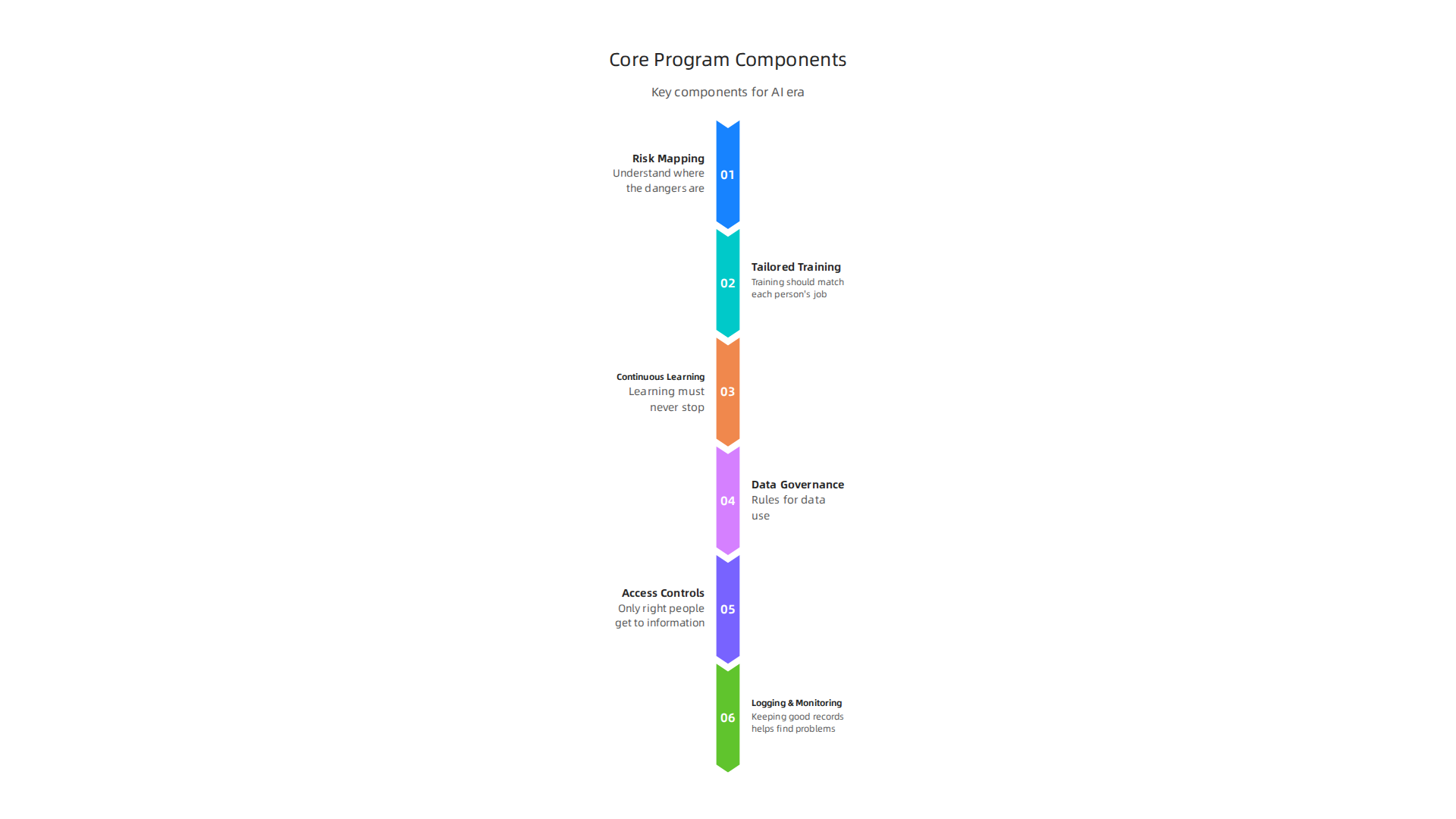
- Risk Mapping: First, you need to understand where the dangers are. This means looking at all the ways your organization could be attacked, including new risks from AI. For example, knowing which data AI uses, who has access to it, and how fake content could harm your business is vital. This helps you focus your efforts where they matter most.
- Tailored, Role-Based Training: Not everyone needs the same training. A software developer needs to understand how to build secure AI, while a marketing person needs to spot AI-generated misinformation. Training should match each person's job. In 2026, AI is seen as a major human risk by many security awareness experts, which means training must include AI-specific scenarios like deepfakes and poisoned data.
- Continuous Learning: Cyber threats change all the time, and AI makes them change even faster. So, learning must never stop. Regular training and refreshers are a must. Studies show that ongoing security awareness training can greatly reduce how often people fall for tricks like phishing. For example, some reports show a big drop in people clicking on bad links after just a few months of training, with an 86% drop in the global phish-prone rate after a year of consistent effort. For those looking to build advanced skills, exploring options for free cyber security certifications can also be a valuable part of this continuous learning.
Beyond training, a good program uses both technical and non-technical methods to keep things safe.
- Data Governance: This means having clear rules for how data is collected, used, shared, and stored. For AI, it's about making sure the data used for training is good, fair, and gathered in a way that respects privacy. This also includes strict rules for how AI vendors handle your data, like making sure they don't use your information to train their own models without permission. Learning about secure ethical AI with trustworthy data services is crucial here.
- Access Controls: Simply put, this means making sure only the right people can get to certain information or systems. This is more important than ever with AI, as unauthorized access could lead to AI models being tampered with or sensitive data being leaked.
- Logging and Monitoring: Keeping good records of who does what, and regularly checking these records, helps find problems quickly. If something goes wrong, logs can help you understand how it happened and stop it from happening again.
Finally, a modern cyber awareness program needs to fit with your organization's core values. It should aim not just to prevent attacks, but also to build a workplace culture where people feel safe, respected, and empowered to make good choices online. When a program aligns with human well-being, it makes people more likely to follow the rules and truly understand the importance of being safe in the digital world. This leads to not just better security, but also a better, more trusted environment for everyone, which is one of the key benefits of AI in cyber security when implemented thoughtfully.
Training people to address the AI bottleneck and prevent synthetic drift
Since cyber threats and AI change so quickly, simply understanding general cyber awareness is not enough anymore. To keep up, organizations need to make sure their people are trained on the special problems that come with AI. This training helps deal with the "AI bottleneck," which is when there isn't enough good, ethical data to train AI, and stops "synthetic drift," where AI starts to create false or skewed information.
Here is what modern training for AI safety looks like:
Clear Learning Goals for AI Risks
First, training must focus on what people truly need to know about AI dangers.
This means teaching about:
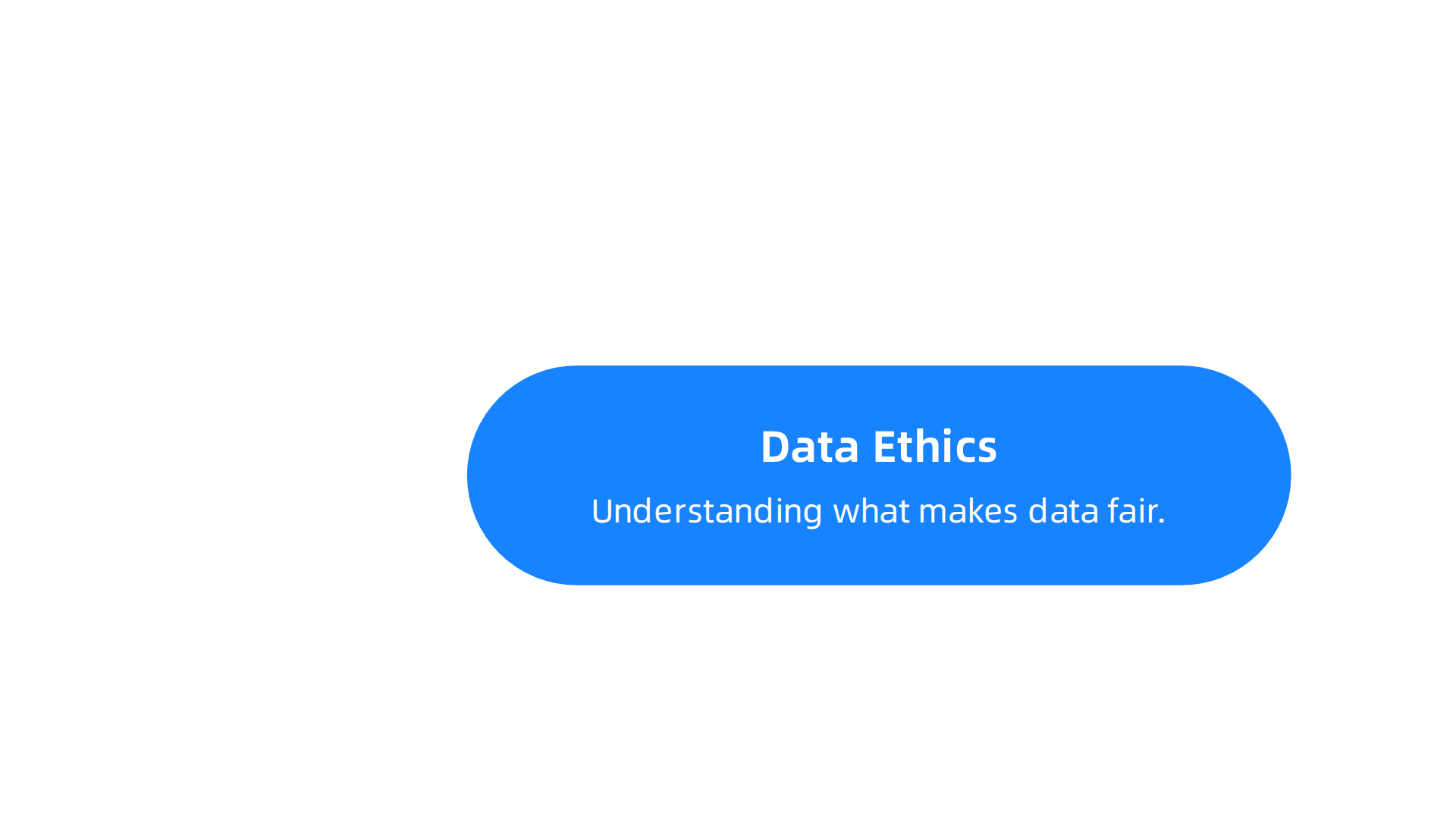
- Data Ethics: Understanding what makes data fair and right to use. This includes how data is gathered and if it respects privacy.
- Data Provenance: Knowing where data comes from. It's like checking the history of the data to make sure it's real and hasn't been changed. Many current ways of collecting data make it hard to track where it came from, hurting truth and trust Data Authenticity, Consent, & Provenance for AI are all broken.
- Labeling Quality: Making sure the tags or labels put on data are correct. This helps AI learn the right things.
- Detecting Model Drift: Learning to spot when an AI model starts to act differently or incorrectly over time. This can happen if AI is trained too much on other AI-generated content, which can make it less reliable AI-training-on-synthetic-data-threatens-knowledge-integrity.
Teaching these things helps make sure AI systems are built on trustworthy data. For more on ensuring your data is ready for AI, read about master data annotation to build trustworthy AI.
Mix Up How People Learn
Training works best when it's not just boring lectures. A good program uses different ways to teach:
- Scenario-Based Learning: This means practicing with fake situations, like spotting a deepfake video or an AI-generated lie. People learn by doing, not just by listening. Companies like Adaptive Security offer training platforms that help employees recognize new threats like synthetic media and poisoned data Top AI Risk Training Platforms & Tools for 2026.
- Tabletop Exercises: These are like practice drills where teams talk through what they would do if an AI attack happened.
- Integrated Engineering Workshops: These are special classes where engineers learn how to build AI systems that are safe from the start. They learn about secure coding and how to protect AI from attacks. For a deeper understanding of making AI systems safe, you can explore master cybersecurity AI skills for enterprise security in 2026.
These hands-on methods make the training stick better and help people turn knowledge into action.
Make Learning Stick with Behavior Change
It's not enough for people to just learn the facts; they need to change their habits. To do this, modern cyber awareness programs use:
- Microlearning: Small, quick lessons that are easy to digest, like short videos or quizzes.
- Nudges: Gentle reminders that help guide people toward better choices, without being pushy.
- Leader-Led Discussions: When team leaders talk about AI safety, it shows everyone how important it is.
These methods help create a culture where everyone thinks about AI security every day. Dean Grey's patented Value Reinforcement System (VRS) is an example of a system that uses behavioral science to help bridge the gap between human actions and AI safety. It helps capture ethical, permission-based data and encourages good online habits, which then creates reliable information for AI. The SANS 2026 Security Awareness and Culture Report highlights the importance of going beyond just knowledge and creating programs that actively change human behavior to improve security SANS 2026 Security Awareness & Culture Report.
By focusing on these types of training, organizations can build a strong line of defense against new AI threats. This not only makes their systems more secure but also creates a more trustworthy digital world for everyone. It's how we ensure that AI works for us, reflecting real human values and preventing the spread of false information caused by synthetic drift.
Learning how to stay safe from AI threats is a big step, but how do we know if these lessons are truly working? It's like going to the gym: you don't just want to go, you want to see if you're getting stronger. For cyber awareness, especially with AI, we need to measure the real impact of our efforts.
How to Measure What Matters
When we talk about how well cyber awareness programs work, especially with AI involved, we need to look at two main types of measurements:
- Activity Metrics: These tell you what people did. For example, how many employees finished their AI safety training, or how many clicked on a practice phishing email. These numbers are easy to get. However, just because someone completed a training doesn't mean they've actually learned to be safer. About 84% of organizations look at training completion rates, and 72% look at how many people click on fake phishing links to measure if their programs are working Measuring the Effectiveness of U.S. Government Security Awareness Programs.
- Outcome Metrics: These tell you what changed. Did fewer real security problems happen? Did the AI systems make fewer mistakes? These metrics show if the training actually made people and systems safer. A good cyber awareness program should reduce real security incidents, not just track training attendance. This includes looking at things like the number of employees who caused a security incident because of unsafe behavior Developing metrics to assess the effectiveness of cybersecurity awareness programs. Actually, programs that focus on changing behavior can make people report suspicious things twice as often compared to programs just focused on getting training done.
Measuring AI-Specific Risks
With AI, there are new things to measure to ensure our cyber awareness efforts are successful:
- Drift Detection Counts: This is about keeping an eye on AI models. If an AI starts acting weird or giving wrong answers more often, that's called "drift." Tracking how many times this happens can show if people are catching these issues, or if the training on how to avoid synthetic drift is working. When AI systems are not trustworthy, they can lead to big problems. You can learn more about this by reading about trustworthy AI in business intelligence.
- Provenance Audits: Remember how we talked about knowing where data comes from? Regular checks, called audits, can tell us how good we are at tracing the history of our data. If the audits show we're doing a great job, it means our training on data ethics and provenance is working.
- Misinformation Incidents: AI can create very real-looking fake content, like pictures or videos, which can spread wrong information. We need to track:
- How many times people spot and report AI-generated misinformation.
- How many times AI systems themselves accidentally create or spread false data.
- It's important because people can be very easily tricked by AI-made misinformation, especially when it looks very real People are more susceptible to misinformation with realistic AI-synthesized images.
Starting Points and Always Getting Better
To know if you're making things better, you first need to know where you stand right now. This is called setting a "baseline." For example, before any new AI safety training, you might check how many security incidents happen in a month. After the training, you check again.
The goal is continuous improvement. This means:
- Checking Results: Look at your outcome metrics regularly.
- Learning from Data: Figure out what's working and what's not.
- Adjusting Training: Change your cyber awareness program based on what you learn.
- Governance: Make sure there are clear rules and leaders who oversee this process. This helps keep everyone focused on better security, including cloud security best practices, and better uses of AI. A strong cybersecurity framework, like the NIST one, can help combat synthetic drift by guiding these efforts. For more details, explore how to combat synthetic drift with NIST cybersecurity framework for trustworthy AI.
By carefully measuring both activities and outcomes, especially for AI-specific risks, organizations can truly understand and improve their cyber awareness. This makes sure that the money and time spent on training actually lead to a safer, more trustworthy digital environment.
By carefully measuring both activities and outcomes, especially for AI-specific risks, organizations can truly understand and improve their cyber awareness. This makes sure that the money and time spent on training actually lead to a safer, more trustworthy digital environment. But how do we set up the rules and make sure everyone follows them? That's where strong governance, clear policies, and good teamwork come in.
Governance, Policy, and Cross-Functional Coordination
Making sure AI is used safely and ethically isn't just about training people. It also needs clear rules and strong leadership.

Think of it like a game: everyone needs to know the rules, and there needs to be a referee to make sure the game is fair and safe.
Setting Up the Rules: Governance Structures
Governance for AI cyber awareness means putting people and processes in place to oversee everything. This connects directly to those who own AI risks, teams that handle compliance (following rules), and groups focused on ethics. They work together to make sure that as AI is used, it follows strict guidelines for safety and fairness.
For example, many organizations are adopting frameworks like the AI Risk Management Framework from NIST, or even international standards like ISO/IEC 42001:2023 for AI management systems. These guides help companies set up clear responsibilities and make sure AI systems are designed and used securely. The health sector, for instance, has even created its own framework for A.I. cybersecurity governance to guide secure AI use. By having these structures, organizations can keep track of AI risks and ensure that their cyber awareness efforts are tied to real business goals.
Important Policies and Agreements
Good cyber awareness is supported by clear policies that everyone can understand and follow. These policies act as important levers for safe AI use:
- Procurement Standards: When buying new AI tools or software, companies need clear rules. They must make sure new tools meet security standards and ethical data practices. This includes checking what the vendor will do with your data. A procurement checklist for 2026 is important to ensure you ask the right questions before signing any contracts, focusing on critical clauses like data usage and training restrictions Buying AI Tools: The Procurement Checklist for 2026. For instance, contracts should prevent vendors from using your data to train their models without your specific permission, as highlighted in many AI vendor contract clauses for 2026.
- Data-Sharing Agreements: When different parts of a company or different companies share data for AI, there need to be clear agreements. These rules spell out who can access what data, how it will be used, and how it will be protected. This helps prevent synthetic drift, where data gets twisted or misused over time. You can learn more about how to secure ethical AI with trustworthy data services.
- Roles and Responsibilities: Everyone needs to know their part in keeping AI safe. Who is in charge of checking AI outputs? Who makes sure data is private? Who updates the security rules? Clearly writing down these roles makes sure nothing is missed. This also helps with broader cyber awareness efforts, as everyone understands their specific part in the security chain.
These policies help secure AI data and build trust in 2026, especially as more organizations rely on cloud-based AI services. Thinking about cloud security tools is part of setting up strong cloud security best practices.
Teamwork Makes the Dream Work: Cross-Functional Coordination
Cyber awareness and AI safety can't be handled by just one team. Different groups across an organization need to work together. This is called cross-functional coordination.
- Legal Teams ensure that all AI use follows laws and regulations, especially around data privacy and ethical considerations.
- Privacy Teams focus on protecting personal information used by AI systems.
- Security Teams (the cybersecurity specialists) keep an eye out for threats and make sure AI systems are safe from attacks. They are key to ensuring cybersecurity awareness training turns human error into your strongest defense against AI threats.
- Product Teams design AI tools with safety and ethical use built-in from the start.
- Human Resources (HR) Teams help create training programs and ensure employees understand and follow the policies.
When these teams work together, they operationalize awareness into safer everyday practices. They make sure AI is built and used responsibly, protecting against issues like synthetic drift and promoting a more trustworthy digital environment. This kind of collaboration is essential for building trustworthy AI that combats synthetic drift with ethical data.
Putting all those good ideas for governance and teamwork into action can feel like a big job. This is especially true for large organizations like big companies, government groups, and nonprofit organizations. So, let's look at how to do it step by step, and what to do when tricky situations come up.
A Step-by-Step Plan for Large Organizations
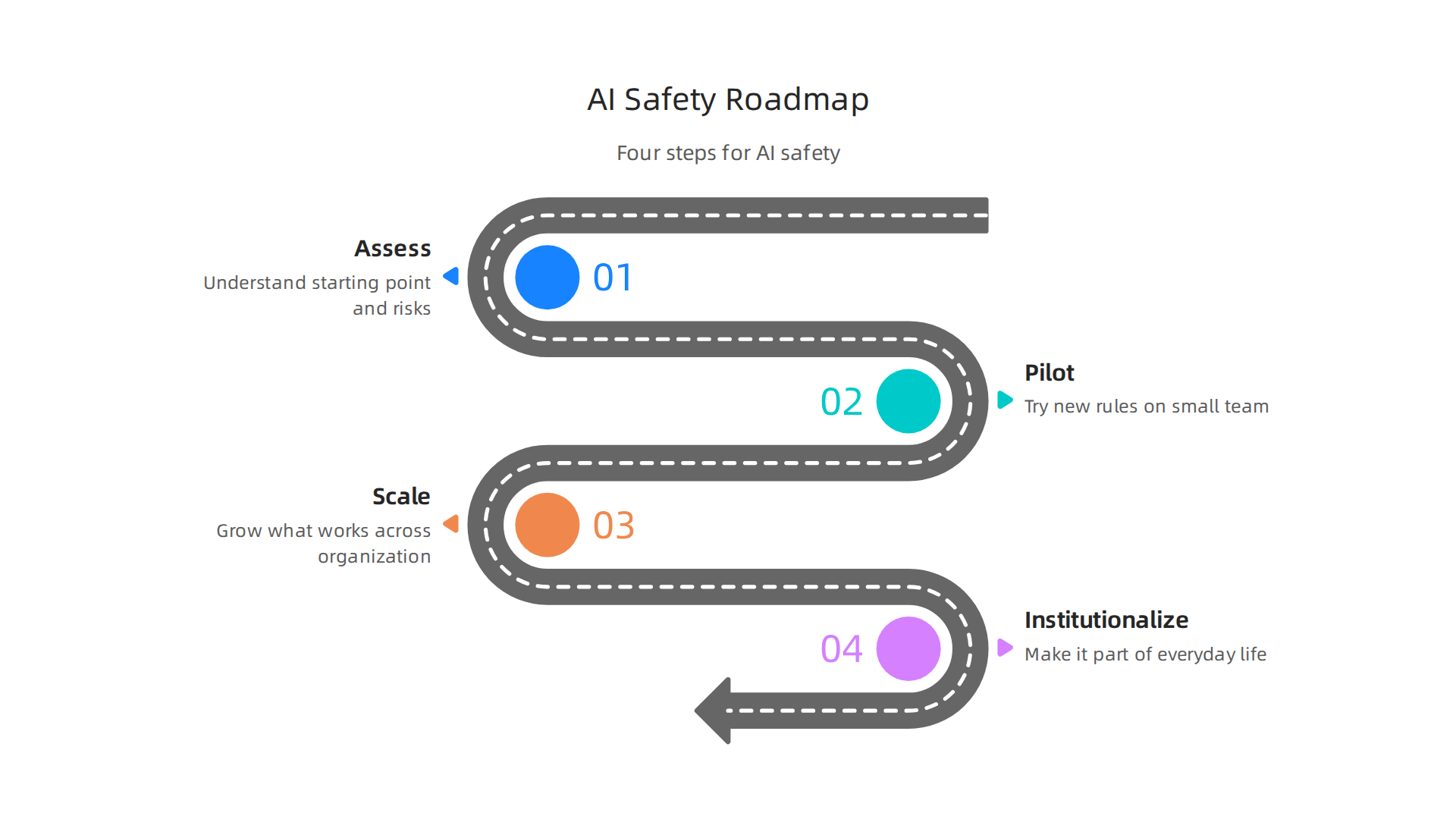
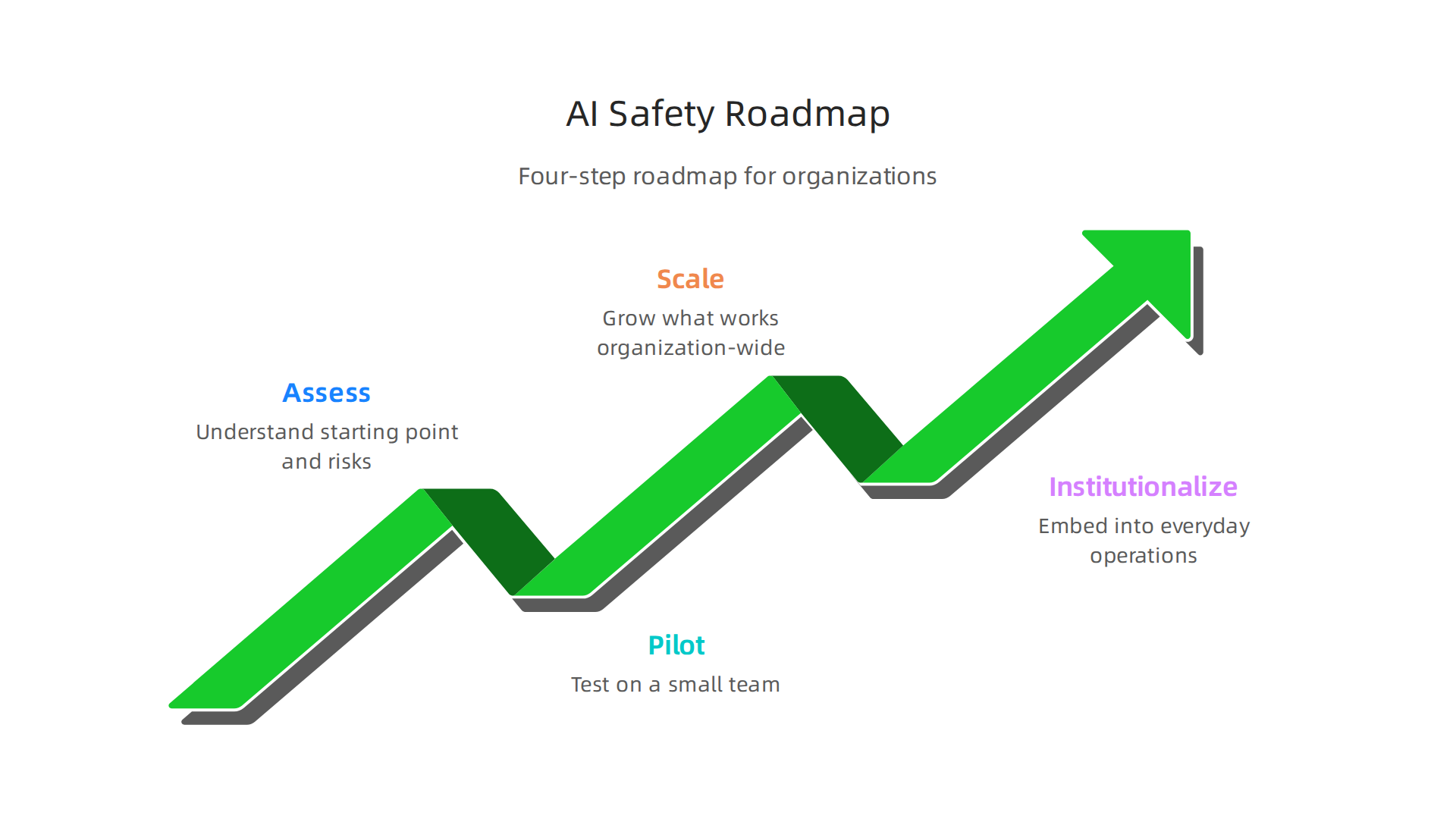
Getting everyone on the same page about AI safety and cyber awareness needs a clear plan. Here's a simple roadmap:
-
Assess: What's Happening Now? First, you need to understand your starting point. Look at what AI tools your organization is already using. Find out where the biggest risks might be. How aware are your employees about cyber dangers linked to AI? A good assessment helps you see what training and rules you need most.
-
Pilot: Try It Out Small Don't change everything at once. Pick a small team or a specific AI project to test new rules or training programs. This pilot phase helps you see what works well and what needs to be changed without affecting the whole organization. It's like a practice run to make sure your cyber awareness efforts are effective.
-
Scale: Grow What Works If your pilot program is successful, it's time to make it bigger. Slowly roll out the effective training and policies to more teams or across different parts of the organization. As you scale, keep an eye on how people are doing and if the new ways are still working.
-
Institutionalize: Make It Part of Everyday Life The final step is to make cyber awareness and safe AI practices a normal part of how your organization runs. This means regular training, ongoing updates to policies, and making sure everyone sees AI safety as their job. This helps keep everyone prepared for new threats, including those related to AI. For example, some organizations make sure their staff can get free cyber security certifications to boost skills.
Real-Life Challenges and How to Handle Them
Even with a plan, new problems can pop up. Here are some common ones and how you might solve them:
-
Who Can See the Data? AI systems often need a lot of data. But not everyone should have access to all of it.
- Challenge: How do you make sure only the right people can see sensitive AI data?
- Playbook: Create clear rules about who can ask for data and for what reasons. Use special tools that only show parts of the data if needed. Make sure you follow combat synthetic drift with NIST cybersecurity framework for trustworthy AI guidelines.
-
Making Sure Data is Good Sometimes, people or tools label data for AI. If the labels are wrong, the AI won't work well.
- Challenge: How do you make sure the data your AI uses is correctly labeled and of high quality?
- Playbook: Have more than one person check important data labels. Use special software to find mistakes. Provide good training for those who label data.
-
Using AI from Other Companies Many organizations use AI tools made by other companies. You need to trust these tools.
- Challenge: How do you know if outside AI models are safe and follow your rules? What about cloud security best practices?
- Playbook: Always ask about the security of these tools before you buy them. Check their history and make sure they meet your standards for data privacy and security. Remember that part of mastering cybersecurity threats to AI systems in 2026 enterprise defense is careful vendor selection.
Making It Stick: Change Management
For these changes to really work, everyone needs to be on board. This is called change management.
- Leaders Lead the Way: When top leaders support AI safety and cyber awareness, everyone else tends to follow. Their clear commitment is very important.
- Money Matters: You need a budget for good training, new tools, and staff to manage AI risks. Investing in this area is an important part of a trust first AI strategy becomes business imperative in 2026.
- Measure What Works: How do you know your cyber awareness efforts are actually making a difference? You can track things like how many people click on fake phishing emails. Some reports show that phishing success can drop by 79% after a year of training KnowBe4 Research Finds Global Phishing Susceptibility Drops 79%. Other common measures include how many people complete their training and results from security checks Measuring the Effectiveness of U.S. Government Security Awareness Programs.
- Talk, Talk, Talk: Keep everyone informed about why these changes are happening and how they will help. Clear talks can help people feel more secure and understand the benefits of AI in cyber security for the whole organization.
Summary
This article explains why traditional cyber awareness is no longer enough in an era shaped by AI and rapid data change. It introduces two central risks — the AI bottleneck (scarcity of high-quality training data) and synthetic drift (data distortion as it moves through systems) — and shows how they undermine trust and create new attack surfaces. You will learn a practical framework that blends risk mapping, role-based and scenario-driven training, data governance, access controls, logging, and outcome-focused measurement. The piece also covers governance, procurement rules, and cross-functional coordination, and gives a stepwise plan for piloting, scaling, and institutionalizing AI-aware security across large organizations. After reading, you'll know what to train for, what policies to update, how to measure impact, and how to start protecting people and data against AI-era threats.
Related Blogs
No Similar Blogs found
