Home


Menu

Close

AI Engineer Roles Defined, Key Skills, Ethics, and Team Structure for 2026
Published:
July 27, 2026
Why clarifying AI engineering roles and skills matters in 2026
In 2026, many big companies and government groups are finding it hard to use Artificial Intelligence (AI) well. This problem is often called the "AI bottleneck." It happens because it's not always clear what different AI jobs mean or what skills people actually need for these roles. When things are unclear, it's tough to build AI systems that everyone can trust. Also, it can lead to something called "synthetic drift," where AI models start to get bad information, making them less useful and even harmful.
There are so many new AI job titles popping up, like AI Engineer, Generative AI Engineer, and Machine Learning Engineer. It can be hard to tell what each one means or what skills are truly needed to fill these new roles effectively

[^1^]. Even within the core roles, there are many different parts, from building the AI models to making sure they work well with other computer systems and creating good user experiences [^2^]. This confusion makes it harder for organizations to hire the right people and make the most of AI.
To solve this, we need to understand what each AI job really does. This guide will help you understand the different kinds of AI engineer jobs. We will break down the roles and the important technical skills needed for an ai engineer. We will also look at the ethical rules and governance expectations that are very important for large organizations and public bodies. The goal is to help you hire the right people and build AI and ML engineering jobs that lead to trustworthy AI. Knowing these things can help prevent misinformation and make sure AI helps people in good ways. Understanding these roles is a key step in building trustworthy AI and combating synthetic drift with ethical data.
[^1^]: AI Job Titles in 2026: A CTO's Guide to the Naming Chaos [^2^]: 6 AI Roles Companies Are Actually Hiring for in 2026
The evolving role of the AI engineer: definitions and responsibilities
In 2026, while many new AI job titles keep appearing, most of them fall into a few main types of work. It helps to think of these roles like different players on a team, each with a special job. Knowing these jobs clearly helps companies use AI better and avoid problems like misinformation from AI systems.
Let's look at some important AI and ML engineering jobs and what they typically do:
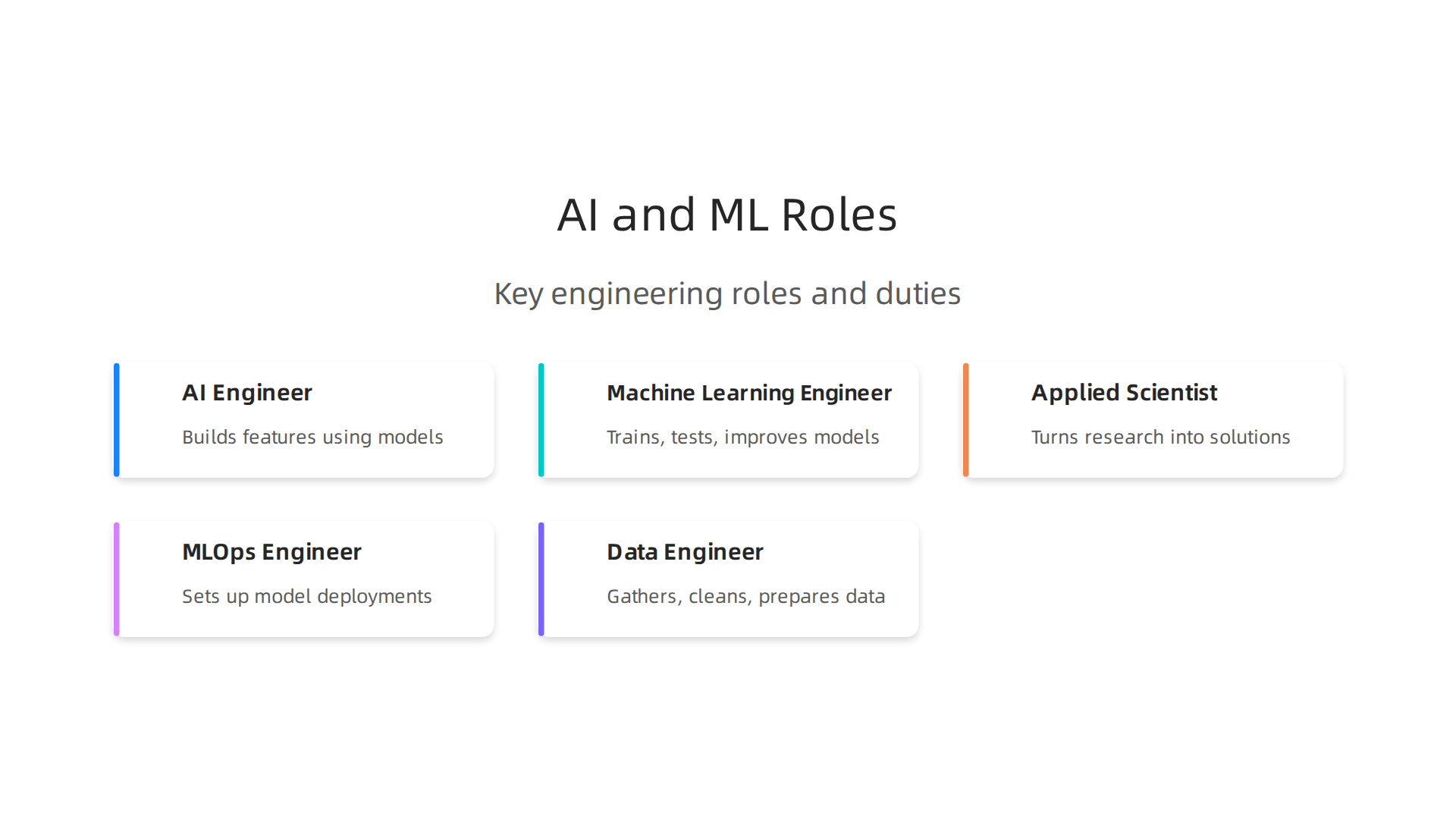
- AI Engineer: This person builds features for products using AI models that others have already made. They focus on making sure these AI parts work smoothly within a software system. Think of them as the bridge builders who connect the AI brain to the product's body. Many of the new titles you hear, like Generative AI Engineer or Prompt Engineer, are often variations of this core
AI engineerrole The AI Job Title Reference Guide 2026 - Ivan Turkovic. - Machine Learning Engineer: This role is more about the AI models themselves. They train, test, and improve these models. They make sure the models learn correctly and perform well. This job is key for developing new AI capabilities.
- Applied Scientist: This person often works on making research ideas turn into real-world AI solutions. They help improve existing models for specific tasks or find new ways to use AI to solve business problems.
- MLOps Engineer: This title stands for Machine Learning Operations Engineer. Their job is to set up systems that make it easy to build, test, deploy, and keep AI models running well. They ensure that AI models are reliable and can be updated without problems, much like how regular software is managed.
- Data Engineer: Before any AI model can learn, it needs good data. The data engineer's job is to gather, clean, and prepare this data. They build the pipelines that make sure data flows correctly to the AI models. This work is super important because bad data can lead to bad AI, which ties directly into preventing synthetic drift.

Without clean, reliable data, AI systems can't give trustworthy results, which is a big concern for government agencies and large companies AI Guide for Government - AI CoE.
Why does having clear definitions for these ai developer jobs matter so much?
When companies, especially big ones or government groups, understand these roles, they can hire the right people for the right tasks.

This clarity brings accountability, meaning everyone knows who is responsible for what part of the AI system. It also helps with governance, which means making sure AI follows rules and ethical standards. If roles are fuzzy, it's harder to manage risks and stop issues like synthetic drift, where AI might start giving out incorrect or misleading information. Clear job roles are a basic step toward building trust in AI and making sure these powerful tools serve people well.
To learn more about how different roles contribute to ethical AI, consider exploring AI Engineering Jobs 2026 Navigating Ethical Career Paths.
To build powerful and reliable AI systems, it's not enough to just know what each role does. Each AI engineer and every person in AI and ML engineering jobs also needs a special set of skills. Think of these as the basic tools they use every day. In 2026, the best AI developer jobs look for a mix of technical know-how and smart ways of working.
Here are the core technical skills that every AI engineer must master:
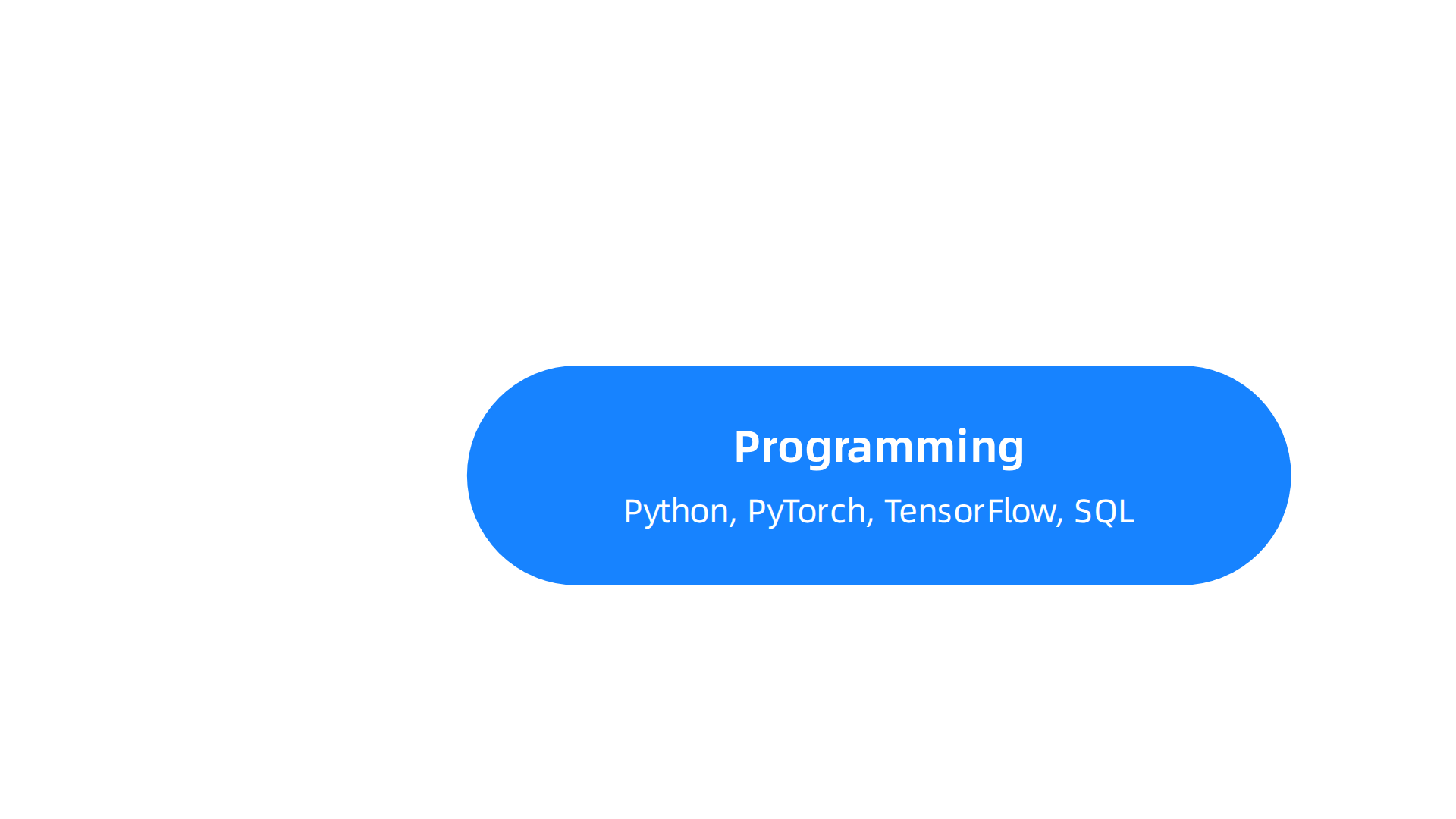
Strong Programming Skills
At the very top of the list is knowing how to code well. It's the base for everything else. Python is by far the most important language for an AI engineer today. It's used for almost every part of building AI, from handling data to making models. Knowing popular tools like PyTorch and TensorFlow is also key, as these help build and train complex AI models The AI Engineer Skill Map for 2026 | by Sandhya Krishnan. Many job postings for AI engineer roles in 2026 highlight Python, SQL, and cloud skills as essential

AI Engineer Roadmap 2026: Skills, Tools, and Career Path.
Machine Learning (ML) Basics and Deep Learning
An AI engineer needs a good grasp of how machine learning works. This means understanding different types of learning, like supervised and unsupervised learning, and knowing about deep learning. Deep learning helps AI systems recognize patterns in things like images or speech. Being able to use tools like PyTorch to work with advanced AI models, such as Transformer architectures, is also very important for a modern AI engineer Mastering the AI Engineer Skill Set (2025-2026 Edition).
Data Handling and Preparation
AI models are only as good as the data they learn from. Because of this, skills in handling and preparing data are super important. An AI engineer must know how to gather data, clean it up, and get it ready for the AI model to use. This often involves "feature engineering," which means making the data more useful for the model. Bad data can lead to bad AI, so this step ensures the AI can give trustworthy results. If you want to dive deeper into why this is so critical, you can explore how ethical electronic data gathering and retrieval is the only fix for AI data crisis.
Solid Software Engineering Practices
Building AI is not just about writing code; it's about building reliable software. This means using good practices like testing your code, managing different versions of your work, and making sure your AI projects can be reproduced by others. An AI engineer also needs to understand how to deploy AI models. This includes understanding what is AI inference, which is when a trained AI model makes predictions or decisions in the real world. This connects closely to MLOps, which focuses on getting models from testing into actual use and keeping them working well. Designing and building AI systems that are reliable and safe is a core part of this The Comprehete Ai Engineer Mastery Guide 2026 ....
Basic Statistics and Math
While you don't need to be a math genius, having a basic understanding of statistics and linear algebra helps a lot. These skills help an AI engineer understand how models work, how to evaluate their performance, and how to spot problems in the data or the model's behavior.
Proficiency Levels and Upskilling
Companies looking for ai developer jobs in 2026 often assess these skills at different levels. Some frameworks, like the one from UNESCO, help outline these competencies for students and professionals alike, covering everything from ethics to AI system design AI competency framework for students. For large organizations, knowing how to measure these skills is key to building an "AI-resilient workforce" How to Build an AI-Resilient Workforce. It's not just about hiring new talent, but also about helping current staff learn these new skills. This continuous learning ensures that everyone involved in AI and ML engineering jobs can keep up with the fast changes in AI.

You can also learn about how ethical data analysis builds trust in AI.
While a good general ai engineer has many skills, building really big and smart AI systems often needs people who are experts in very specific areas. In 2026, the world of AI and ML engineering jobs is becoming more specialized. Different kinds of engineers focus on different parts of bringing AI to life. It's like building a house; you need plumbers, electricians, and carpenters, not just one general builder for everything.
Let's look at some of these specialized roles and what they do.
Machine Learning (ML) Engineers
An ML engineer is often the bridge between AI research and making something useful. They take the ideas and models that data scientists or researchers create and turn them into working systems. Their main focus is on the "modeling" part. They help train, fine-tune, and test machine learning models to make sure they work well. Many AI developer jobs for ML engineers involve putting models into action. According to some experts, an ai engineer often builds product features using models that someone else has trained AI Job Titles in 2026: A CTO's Guide to the Naming Chaos.
MLOps Engineers
MLOps stands for Machine Learning Operations. An MLOps engineer makes sure that AI models, once built, can run smoothly and reliably in the real world. Think of them as the people who set up the assembly line for AI. They handle things like deploying models, watching them to make sure they're still working correctly, and updating them when needed. This role is key to understanding what is AI inference, which is when an AI model makes decisions or predictions after it's been trained. MLOps engineers ensure this process is efficient and stable. These roles are among the fastest growing in 2026 as companies focus on getting AI from the lab to actual use AI jobs in 2026: Emerging Roles, Skills, and How to Get ....
Data Engineers
Before any AI model can learn, it needs good data. That's where data engineers come in. They focus on building and managing the systems that collect, store, and process large amounts of data. This is the "data infrastructure" part. They make sure that the data is clean, organized, and easy for other AI professionals to use. Without good data engineers, the best AI models would have nothing reliable to learn from. Learning more about the foundations of data is important for anyone in AI and ML engineering jobs.
Applied Scientists
Applied scientists often sit at the intersection of research and practical application. They explore new AI methods and techniques to solve specific, real-world problems for a company or organization. They might research how to make an AI model better at a certain task or how to use a new kind of AI technology. Their work is often more about "research" and "modeling" at an advanced level, pushing the boundaries of what AI can do for particular challenges.
Working Together: Team Composition
For large organizations and government agencies, putting together the right team means mixing these specialized skills. A typical team might include:
- Applied Scientists/Data Scientists who research and develop new models.
- ML Engineers who turn those models into working code.
- MLOps Engineers who deploy and manage the models in the real world.
- Data Engineers who build and maintain the data pipelines that feed the models.
This way, everyone focuses on what they do best, leading to stronger, more reliable AI systems. Building a trustworthy team is also important for building trustworthy AI, as explored in articles like AI engineering jobs 2026 navigating ethical career paths. It's about knowing when to hire a general ai engineer and when to bring in someone with a very specific set of skills for specialized tasks.
Ethics, data governance, and trust: essential non-technical skills for AI engineers
While knowing how to build AI is super important, an ai engineer in 2026 also needs to understand things that aren't about code. These are often called "non-technical skills," but they are just as vital. We're talking about ethics, making sure data is handled correctly (data governance), and building trust in AI systems.
It's not enough to build a powerful AI; we also need to make sure it's fair, safe, and helpful for people. This means thinking about several key areas:
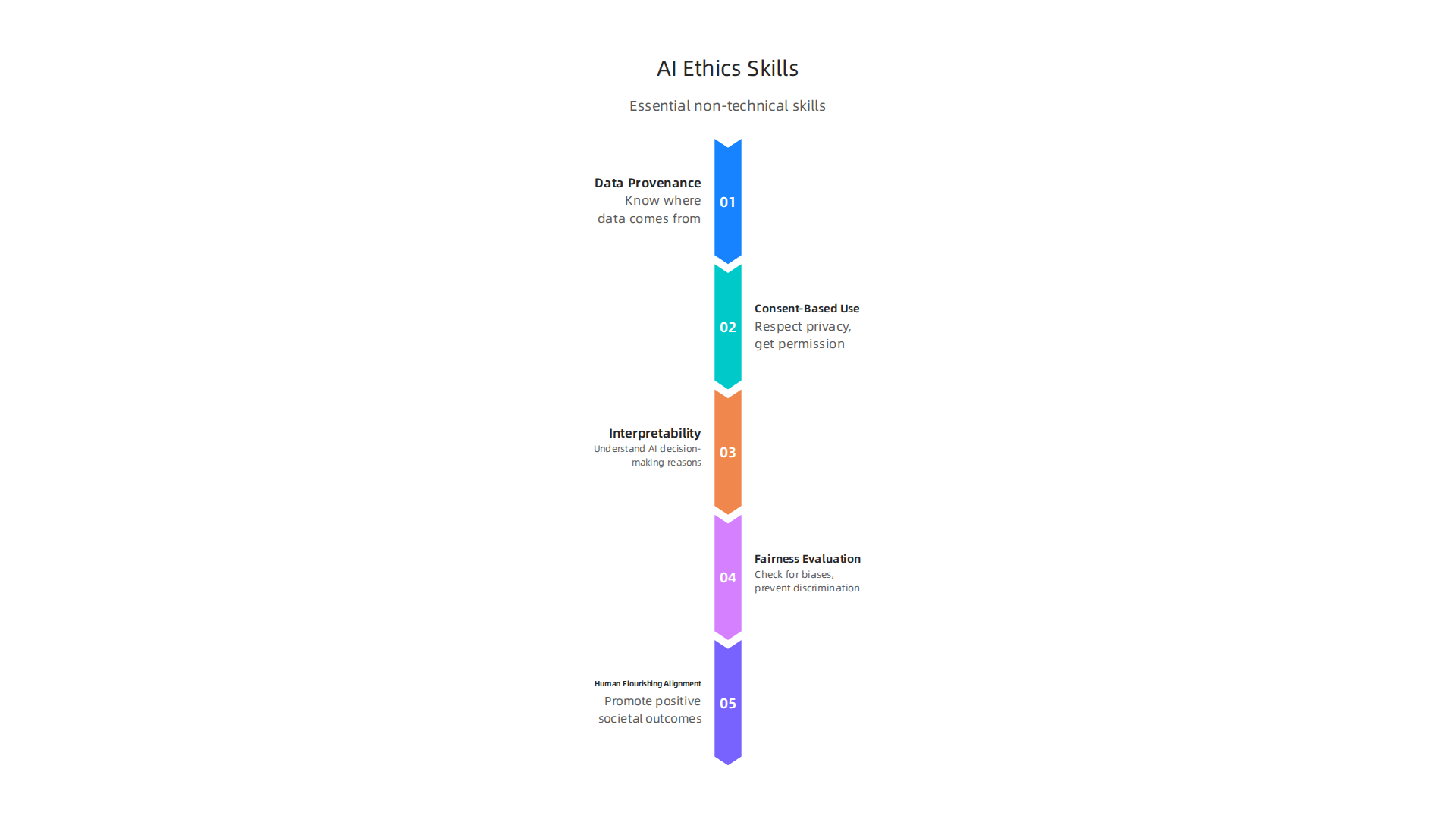
- Data Provenance: This big word just means knowing where your data comes from. An
ai engineerneeds to understand the origin of the data used to train AI models. Was it collected fairly? Is it unbiased? This helps prevent the AI from learning bad habits or making unfair choices later on. - Consent-Based Data Use: It's crucial that people give permission for their data to be used. This is called consent. AI systems should respect privacy and only use data that people have agreed to share. This ethical approach is a cornerstone for building trustworthy AI, as many frameworks, like those from the U.S. Intelligence Community, suggest
Artificial Intelligence Ethics Framework for the....
- Interpretability: Can we understand why an AI made a certain decision? This is interpretability. For example, if an AI helps a doctor, the doctor needs to know how it reached its recommendation. This also relates to
what is ai inferenceand how those inferences are made clear to users. - Fairness Evaluation: We must check if AI systems are fair to everyone. AI should not discriminate against any group of people. This means carefully testing AI to make sure it doesn't have hidden biases. Important groups like NIST have highlighted principles such as fairness, accountability, and transparency for AI systems 8/19/2021.
- Alignment with Human Flourishing: This means making sure AI helps people live better lives and promotes positive outcomes for society. It's about designing AI to serve human values, not just to complete tasks. NASA, for example, emphasizes that AI must be human-centric and societally beneficial NASA Framework for the Ethical Use of Artificial Intelligence (AI).
These are not just good ideas; they are becoming expected parts of ai and ml engineering jobs. Organizations are creating rules and guidelines for how AI should be built and used ethically. If you're interested in developing AI apps that earn user trust, it starts with ethical data annotation. Learn more about how to build apps with AI that earn trust through ethical data annotation.
Working with Ethics and Legal Teams
An ai engineer doesn't have to figure all this out alone. In large companies and government groups, they work closely with other experts.

These experts often include:
- Ethics Officers: These people specialize in making sure all technology follows ethical principles. They help guide the development of AI so it does good, not harm.
- Legal Teams: Lawyers ensure that AI systems follow all laws and rules, especially around data privacy and safety.
- Compliance Teams: These teams make sure the company meets all official standards and guidelines for AI use.
Together, these groups help engineers put ethical ideas into practice. They create the "governance practices" that help everyone make smart, responsible choices about AI. For anyone in ai developer jobs, knowing how to talk and work with these teams is a key skill. It ensures that the AI systems we create are not only smart but also trustworthy and helpful for everyone. You can explore how some organizations are working to solve the AI trust crisis through data protection services.
Beyond just thinking about the right way to use AI, an ai engineer also needs to know how to keep AI systems running smoothly once they are built. This is where operational skills come in. We call this whole process MLOps, which stands for Machine Learning Operations. It's about making sure AI models can be put into action, watched closely, and fixed if they start to act strangely.
MLOps: Keeping AI Models in Shape
MLOps is like the factory line for AI models. It covers everything from getting a model ready to go live, to making sure it stays healthy and accurate over time. For anyone in ai and ml engineering jobs, understanding MLOps is a must in 2026.
Here's what it generally includes:
- Model Building and Updates (CI/CD): Just like regular software, AI models need to be built and updated often. CI/CD for models means using special tools to automatically test new models and then put them into use. This helps keep things moving fast and makes sure new changes don't break anything.
- Feature Stores: Imagine a pantry where all your ingredients (data features) are perfectly prepared and stored. A feature store is like that for AI. It makes sure that all parts of an AI system use the same, correct data consistently, whether for training or making real-time predictions.
- Monitoring and Watching (Observability): Once an AI model is working, an
ai engineerneeds to watch it. This means keeping an eye on how well it's doing its job and if the data it's seeing is still normal. This includes looking at things likewhat is ai inferenceand if those inferences are still accurate and reliable. Tools for model monitoring are key to spotting problems early, as many experts agree MLOps in 2026: Monitoring, Drift Detection, and Automated .... - Rollback Plans: Sometimes, even with careful monitoring, an AI model might start to have issues. A rollback plan means having a way to quickly switch back to an older, working version of the model. This is like having an "undo" button to prevent big problems.
Catching "Synthetic Drift" and Bad Data
One of the biggest challenges in keeping AI models useful is something called "synthetic drift." Think of it this way: AI models learn from data. If the real-world data starts to change from what the model learned, its predictions can become wrong. This "drift" can make the AI less trustworthy and less helpful. Dean Grey's work often talks about how important it is to deal with this, especially when data is distorted as it moves through digital systems.
Data quality can also get worse over time. For instance, if a model was trained on data from summer, it might not work well in winter if the patterns change a lot MLOps Best Practices: From Model to Production in Ontario (2026 ...). An ai engineer must be able to spot these changes quickly.
Here's how experts typically handle it:
- Spotting Drift: Engineers use special math tests to compare the new data the AI sees to the old data it learned from.
- Feature Drift: This looks at the input data itself. Tests like the Kolmogorov-Smirnov test or Population Stability Index (PSI) can tell you if the new data looks very different. If the PSI goes above a certain number, like 0.2, it's a sign there's a problem MLOps in 2026: Best Practices for Scalable ML Deployment. For a deeper look, check out this video explaining Data Drift Explained | Keep Your ML Models Accurate in Production.
- Prediction Drift: This looks at what the AI is actually predicting. If the AI's guesses start changing in unexpected ways, it could mean drift is happening.
- Fixing Drift:
- Automated Alerts: Systems can send automatic warnings when drift is found, alerting the
ai engineerto a problem Model Monitoring & Drift Detection for Data Scientists – Complete Guide 2026. - Automated Retraining: Often, the best fix is to retrain the AI model with the new, relevant data. This helps the AI "learn" the updated patterns and become useful again.
- Automated Alerts: Systems can send automatic warnings when drift is found, alerting the
Making sure AI systems stay accurate and trustworthy in the face of changing data is a big part of ai developer jobs today. It's about building strong systems that can adapt. To learn more about how ethical data plays a role in keeping AI models accurate, read about building trustworthy AI combat synthetic drift with ethical data. This kind of proactive monitoring and correction is crucial for preventing the spread of misleading information that can come from synthetic drift. If you want to dive deeper into this topic, explore how to safeguard trust and prevent synthetic drift in AI content creation.
Making sure AI systems stay accurate and trustworthy in the face of changing data is a big part of AI developer jobs today. It's about building strong systems that can adapt. To do this, companies need the right people and the right team setups.
Hiring, team structure, and career paths for large enterprises and agencies
When big companies and government groups want to use AI, they need to think carefully about how they hire people and set up their teams. Getting the right AI engineer is key to making sure AI projects work well and are trustworthy.
Finding the Right AI Engineers
Hiring an AI engineer today means looking for a mix of technical know-how and an understanding of how AI impacts people. Here's what companies often look for:
- Strong Tech Skills: An AI engineer needs to be great at programming, especially in languages like Python. They should understand different kinds of machine learning and deep learning, including newer areas like Transformer models. Knowledge of MLOps tools like Docker and Kubernetes is also very important for getting AI models to work in the real world and keeping them running smoothly. Many AI and ML engineering jobs in 2026 expect skills in things like prompt engineering and working with data to make sure AI inferences are correct and helpful. A strong AI engineering program in 2026 should teach people how to take an idea for a model and turn it into a real, reliable AI product, focusing on these skills and more, as outlined in the AI Engineer Roadmap 2026: Skills, Tools, and Career Path.
- Problem-Solving and Ethics: Beyond just coding, an AI engineer must be good at solving tough problems. They also need to understand ethical AI and how to build systems that are fair and transparent. This is especially true for government groups and large companies that operate in regulated environments. These organizations need to ensure their AI tools meet high standards for safety and fairness. The Office of Personnel Management, for example, is focusing on hiring AI specialists and developing special skills guides for AI roles in government, as mentioned in the Office of Personnel Management AI Strategy for OMB.
When interviewing for AI and ML engineering jobs, companies often focus on practical skills.

This means asking candidates to show how they would solve real-world AI problems and how they consider the ethical side of their work. Onboarding for new AI team members in regulated areas should also focus heavily on company policies and legal rules for AI use.
Building Competency and Trust
To make sure AI teams stay sharp, companies use "competency frameworks." These frameworks lay out the skills and knowledge an AI engineer should have. For example, the AI competency framework for students talks about things like a human-centered mindset, AI ethics, and how to design AI systems. Another guide for building an AI-ready workforce also highlights important skills like AI literacy, data literacy, critical thinking, and responsible AI use, which helps build a strong AI-resilient workforce.
Keeping skills up to date often means regular training and hands-on projects. This helps AI engineers learn new tools and methods, like those for dealing with synthetic drift. For a deeper dive into career possibilities, explore AI engineering jobs 2026 navigating ethical career paths. It is important to remember that a trust-first AI strategy becomes business imperative in 2026, meaning ethics and trust should be part of every step, from hiring to product launch.
Team Structures for AI Success
How teams are set up can make a big difference in how well an organization uses AI. There are two main ways big companies handle this:
- Central AI Platform Teams: These teams build shared tools and systems that all other AI projects in the company can use. They focus on making sure the AI infrastructure and MLOps practices are consistent and efficient for everyone.
- Embedded AI Squads: These are smaller groups of AI experts who work directly within different parts of the business. For example, an AI squad might work with the marketing team to build an AI tool just for them. This setup helps tailor AI solutions more closely to specific business needs.
The best choice depends on the company's size, how much experience it has with AI, and what goals it wants to reach. Some organizations start with a small team of data specialists and product managers, then grow from there. No matter the setup, experts suggest that organizations should bake governance into every hire and contract for AI, making sure that ethical guidelines are followed from the start. Knowing how to structure AI teams is vital for building a successful AI-driven future, as discussed in Building Your 2026 AI Organization: Teams, CoEs ....
Summary
This article explains why clear definitions of AI engineering roles and skills are essential in 2026, especially for large companies and government bodies facing an
Related Blogs
No Similar Blogs found
